Ellie age 83

My date of birth is February 17, 1943.
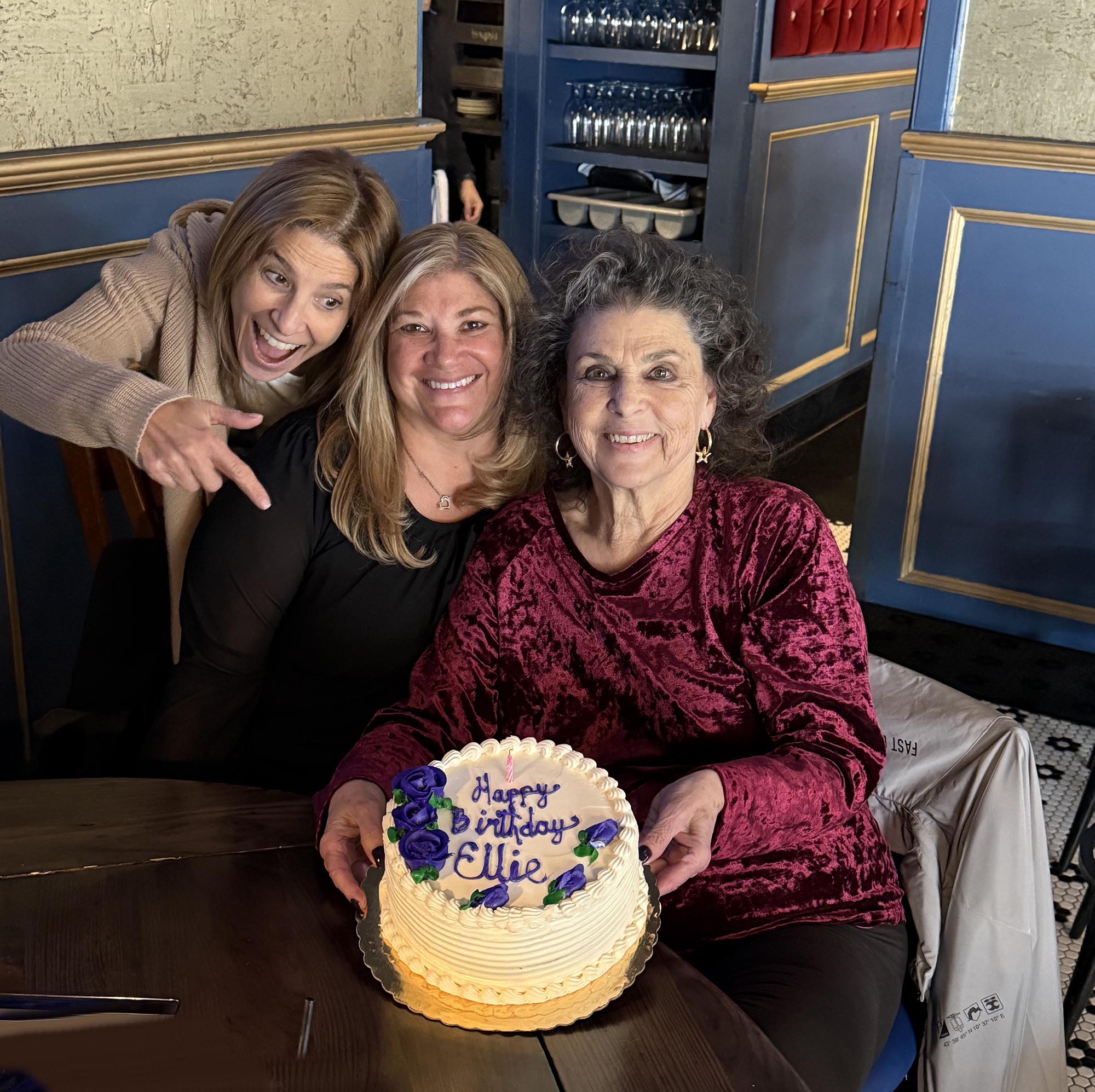
Celebrating with family February 17, 2026 - Age 83
Ellie age 83
My date of birth is February 17, 1943.
Celebrating with family February 17, 2026 - Age 83
"Super-Agers" are 80 and older who are in good shape mentally and physically. I know many people who fall into that category who can't relate to peers stuck in the past, discussing their health issues and dramas. Like myself they lead productive lives and many still work. Generally there is no substance abuse, mental illness, or excessive stress. It's all about DNA programming, quality of life, and the brain. Wikipedia
A SuperAger is someone in their 80s or older who exhibits cognitive function that is comparable to that of an average middle-aged individual. Additionally, this group has been shown to exhibit less brain volume loss. Aging causes changes to the brain size, vasculature, and cognition. The brain shrinks creating changes at all levels from molecules to morphology. SuperAgers have the mental faculties of people decades younger. ~ Google

We are both still working at age 83.


El-Sherif and Zahi Hawass go back for decades. Zahi once asked me where Akhenaten and Nefertiti's tombs were. I told him they're not in Egypt and he won't find them.
Zahi Hawass says he hopes to discover the tomb of Nefertiti before he retires, and he believes he's getting close. Live Science - January 17, 2026
These 80-year-olds have the memory of 50-year-olds. Scientists now know why Science Daily - April 23, 2026

A rare group of adults over 80, known as SuperAgers, are rewriting what we thought was possible for the aging brain. With memory abilities comparable to people decades younger, their brains either resist or withstand the damage typically linked to Alzheimer’s disease. Decades of research reveal that their social lifestyles and unique brain biology may hold the key to preserving cognitive function. Scientists believe these insights could pave the way for new strategies to delay or even prevent dementia. These individuals consistently perform on memory tests at levels similar to people at least 30 years younger, challenging the long-standing belief that cognitive decline is unavoidable with age.
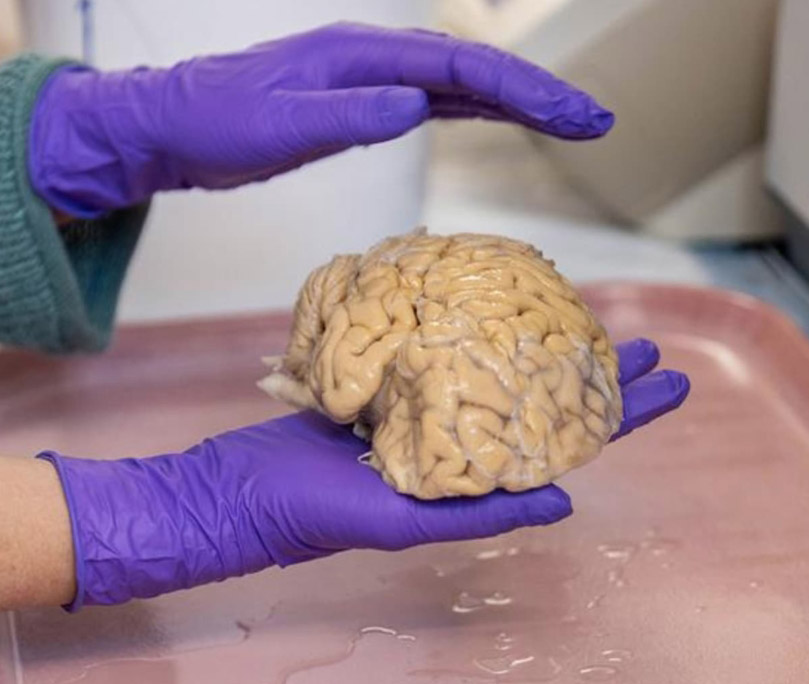
This shows the aging brain has the capacity to regenerate - that's huge. While a mature neuron is stable, a young neuron is the most adaptable and plastic type of brain cell, with an enhanced ability to grow, integrate and wire itself into a brain. SuperAgers are showing the preservation of immature neurons with heightened excitability - they are bright-eyed and bushy-tailed and ready to fire.
Some people in their 80s and beyond seem to defy aging, thinking and remembering like people decades younger - and their genes may help explain why SciTech Daily - January 17, 2026

People who stay mentally sharp into their 80s may owe their edge to rare gene variants that lower Alzheimer's risk and boost brain resilience. Among known genetic factors linked to late-onset Alzheimer's disease (AD), the strongest risk is tied to a gene variant called APOE-E4. Another version of the same gene, APOE-E2, has long been associated with a lower risk of developing the disease and may offer some protection against AD.
Superagers Have at Least Two Key Genetic Advantages, Study Reveals Science Alert - January 17, 2026
Not only is this population of adults aged 80+ much less likely to carry a gene variant that's associated with higher Alzheimer's risk, but they're also more likely to carry one associated with lower risk. It's a result that shows that, while genes are far from the only factor at play, exceptional memory in old age is at least partly written into the superager genome.
The first 25 years of SuperAger research show cognitive decline is not an inevitable part of aging Medical Express - August 7, 2025

80-year-old SuperAger brain operates like that of a 50-year-old. Here's why CNN - August 7, 2025
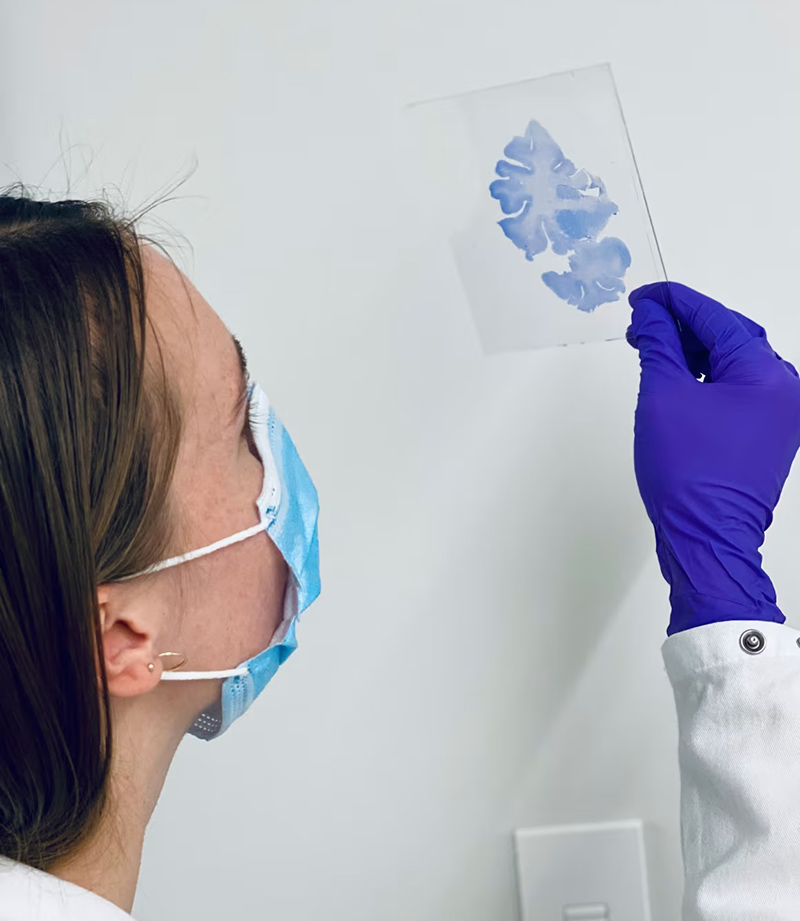
The human brain shrinks as it ages, affecting the ability to remember - it's part of life. Yet there are a lucky few, called SuperAgers, who possess a brain that fights back. For these people, memories stay as sharp as they were 30 or more years in the past. To be a SuperAger in a program at Northwestern, a person must be over 80 and undergo extensive cognitive testing. Acceptance in the study only occurs if the person's episodic memory - the ability to recall everyday events and past personal history - is as good or better than cognitively normal people in their 50s and 60s.