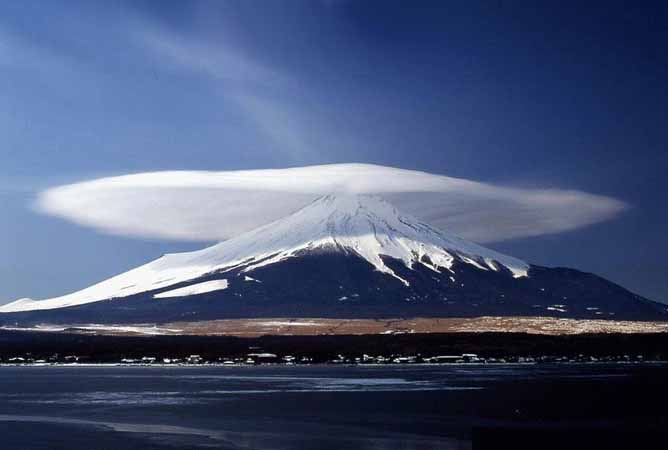
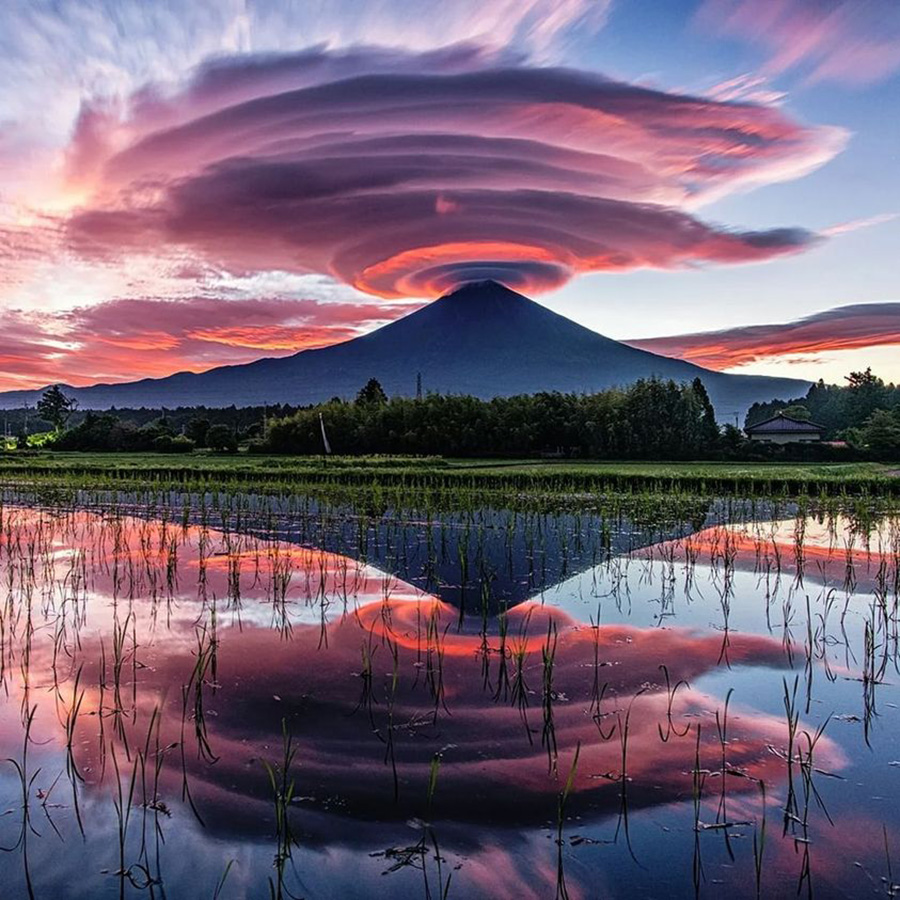
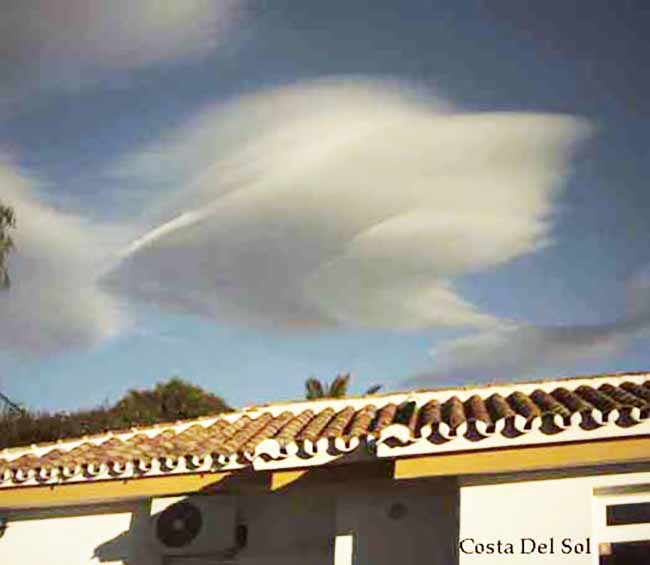
Lenticular clouds, technically known as altocumulus standing lenticularis, are stationary lens-shaped clouds that form at high altitudes, normally aligned at right-angles to the wind direction.
Where stable moist air flows over a mountain or a range of mountains, a series of large-scale standing waves may form on the downwind side. Lenticular clouds sometimes form at the crests of these waves. Under certain conditions, long strings of lenticular clouds can form, creating a formation known as a wave cloud.
Power pilots tend to avoid flying near lenticular clouds because of the turbulence of the rotor systems that accompany them, but sailplane pilots actively seek them out. This is because the systems of atmospheric standing waves that cause "lennies" (as they are sometimes familiarly called) also involve large vertical air movements, and the precise location of the rising air mass is fairly easy to predict from the orientation of the clouds.
"Wave lift" of this kind is often very smooth and strong, and enables gliders to soar to remarkable altitudes and great distances. The current gliding world records for both distance (over 3,000km) and altitude (14,938m) were set using such lift.
Lenticular clouds have been mistaken for UFOs (or "visual cover" for UFOs) because these clouds have a characteristic lens appearance and smooth saucer-like shape. Many appear over volcanoes much like UFOs that have been captured on film exiting and entering volcanoes.

Auroras light the sky during rare solar storm
CNN - May 12, 2024Aurora australis, or the southern lights, glow over Villarrica volcano in Pucon, Chile
Incredible Rare Lenticular Cloud Over Volcano Shortlisted For Photography Award
IFL Science - September 1, 2023
Lenticular Clouds over Boulder, Colorado - February 20, 2023
An Atmospheric Scientist Explains That Viral Rose-Colored 'UFO' Cloud
Forbes - January 22, 2023
This happened at the time of mourning for Queen Elizabeth II. Hours before the world learned of the death of Queen Elizabeth II - striking rainbows appeared over two castles in England. One appeared over Windsor Castle as the flag was lowered to half mast marking the Queen's death and a massive double rainbow covered the sky over Buckingham Palace. On September 12, 2022 a beam of light followed Elizabeth's coffin during one of her processions. Queen Elizabeth II watched the stars. Her husband, Prince Philip followed all things extraterrestrial.
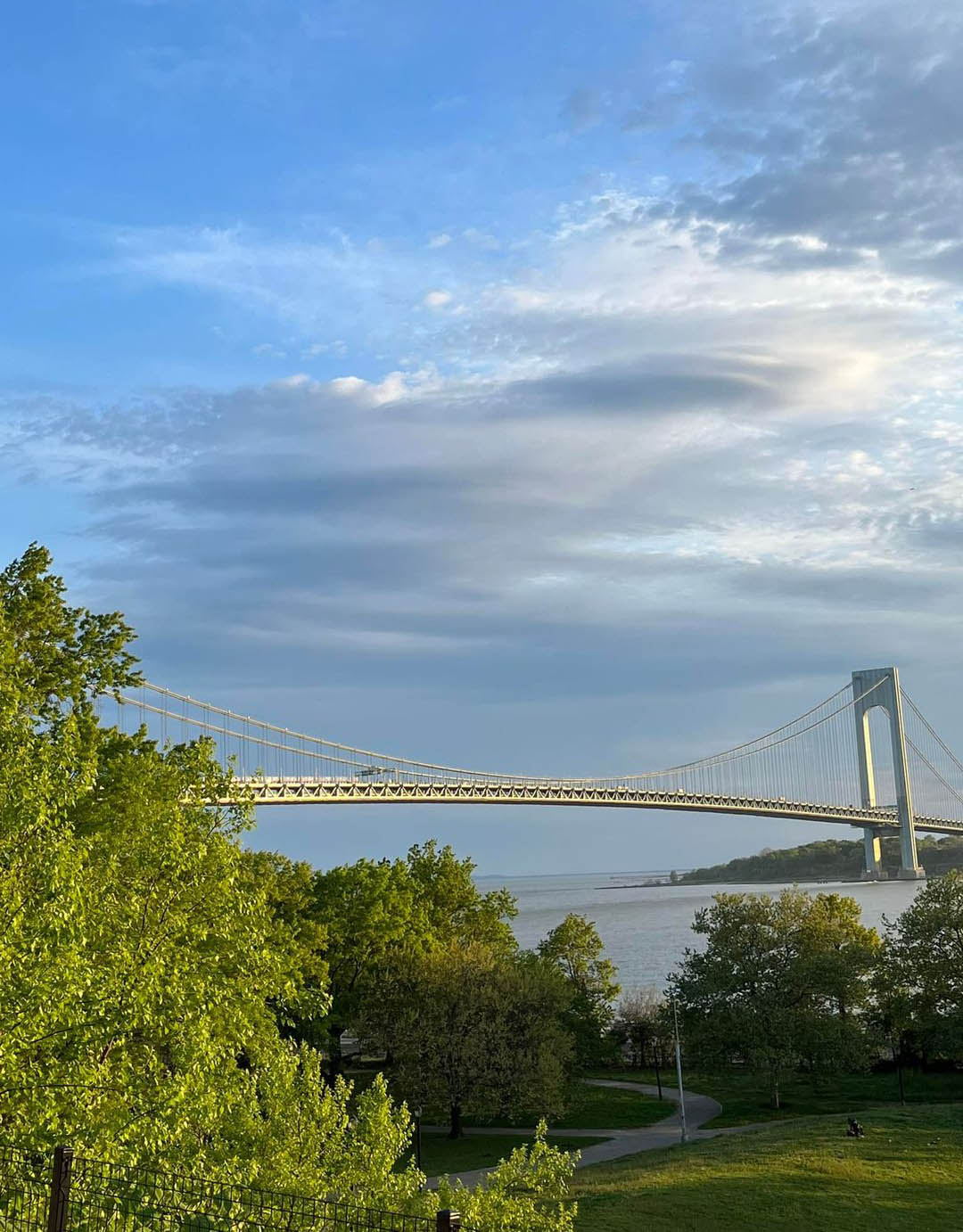
Photo by Ken Stephansen - May 18, 2022 - Bay Ridge, Brooklyn - Verrazano Bridge
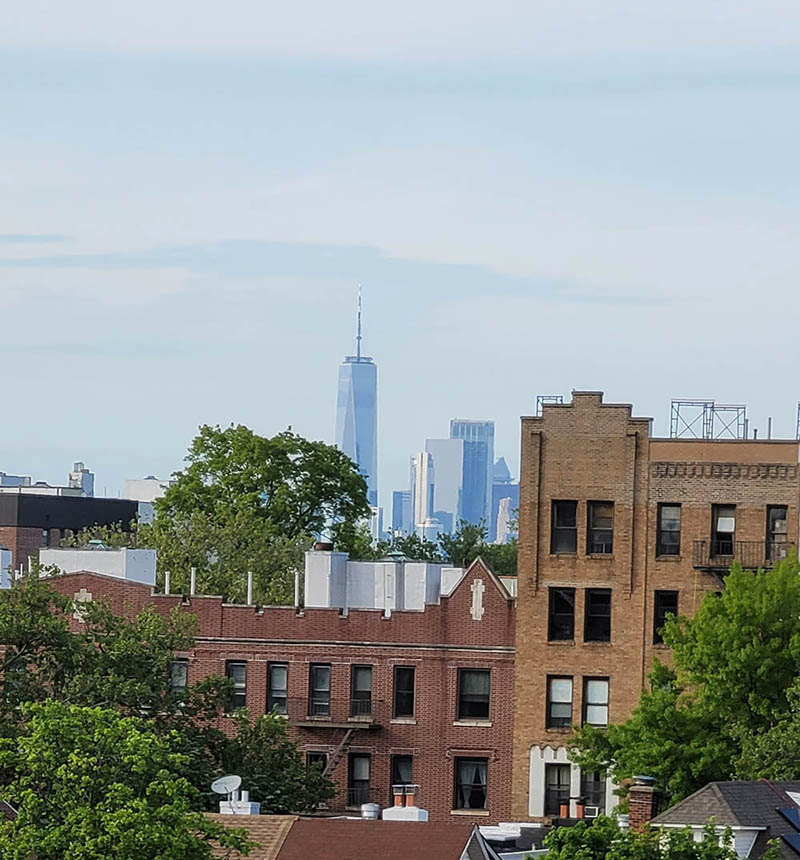
Photo by Ellie Crystal - May 18, 2022 - One World Trade - View From My Rooftop Facing North
Alaska - Westdahl Peak Shield Volcano - May 13, 2022
June 9, 2021 -South of Malta, MT - Meteorologists Juston Drake and Simon Brewer
A Mothership Supercell is a unique type of storm system. They are rare and you definitely want to get out of their way. They have a distinct rotating updraft that produces hail, flash floods and sometimes tornadoes. Supercells can occur anywhere in the world under the right pre-existing weather conditions, but they are most common in the Great Plains of the United States in an area known as Tornado Alley. Read more
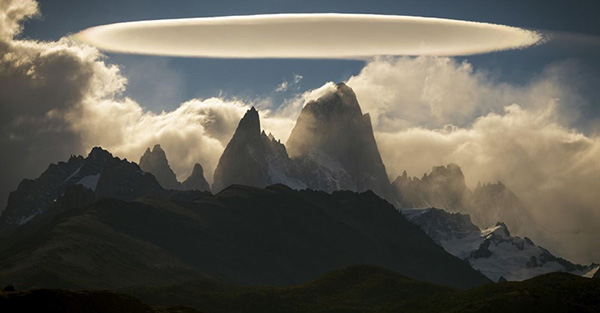
Ghostly 'UFO cloud' (lenticular cloud) hovering over mountains wows judges in weather photo contest
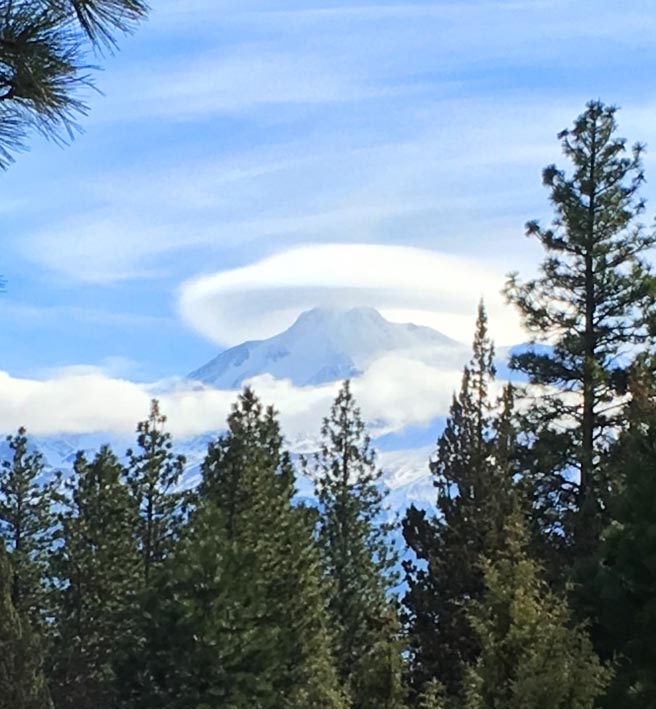
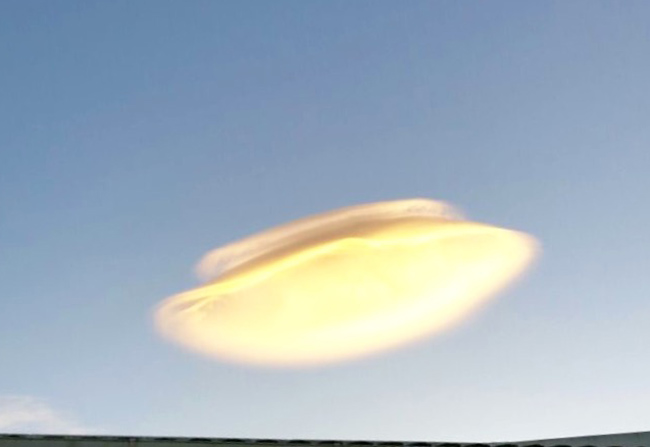
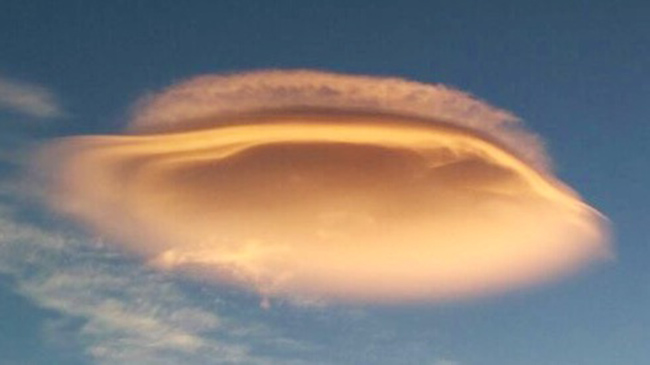
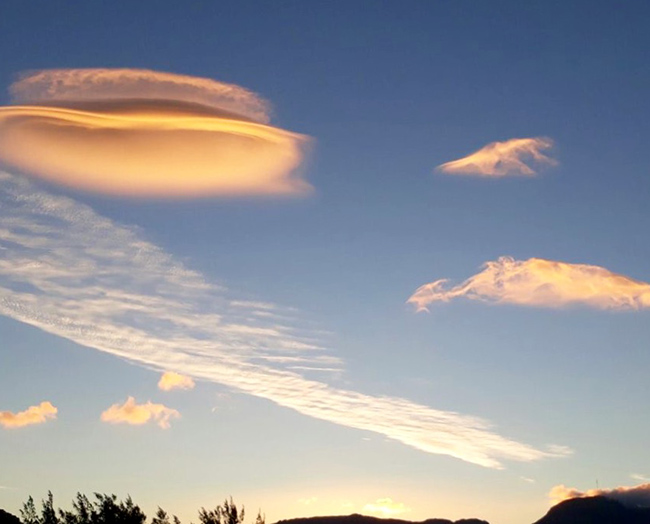
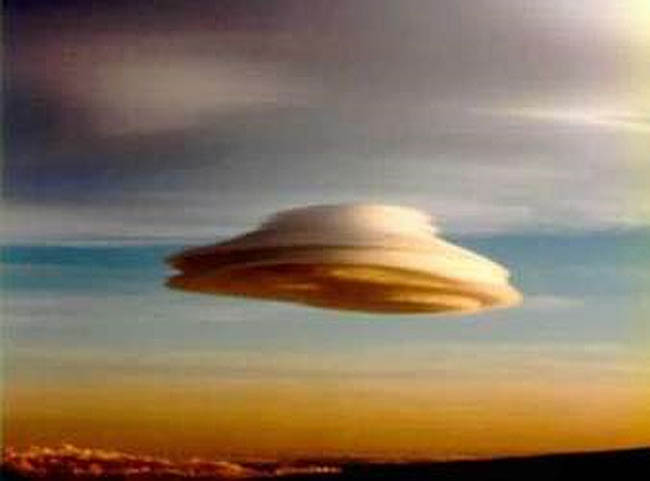
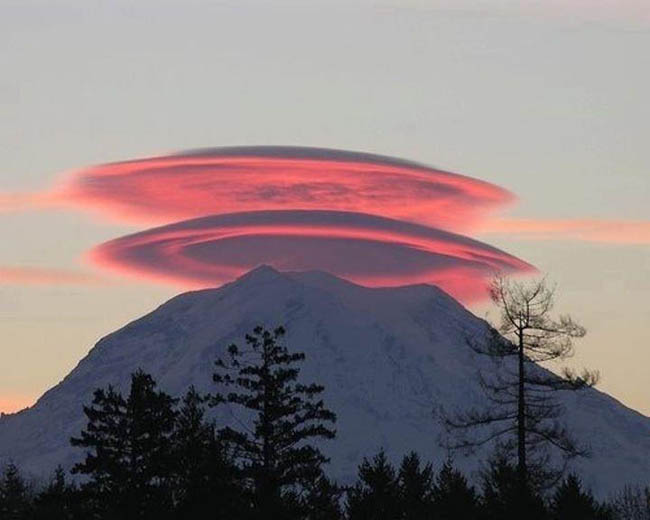
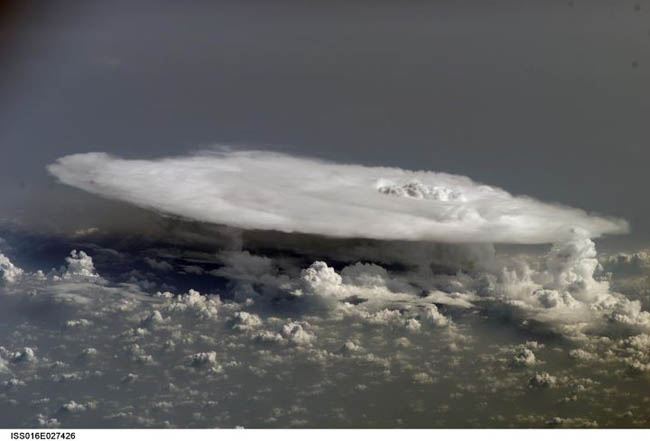
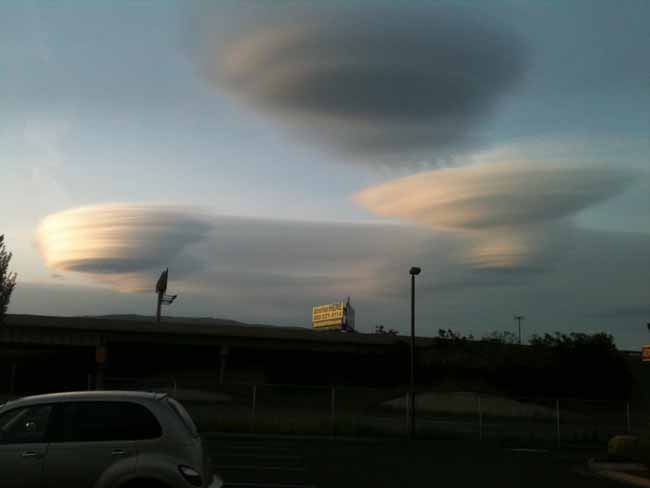
Photos by Harvey Carruth at The Dalles, Oregon - May 5, 2011
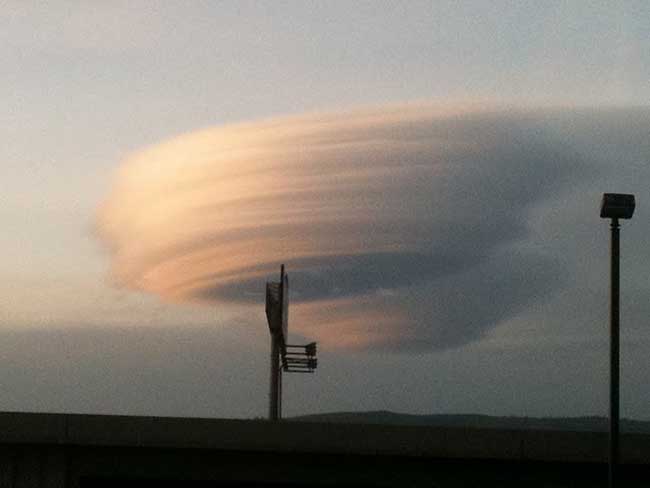
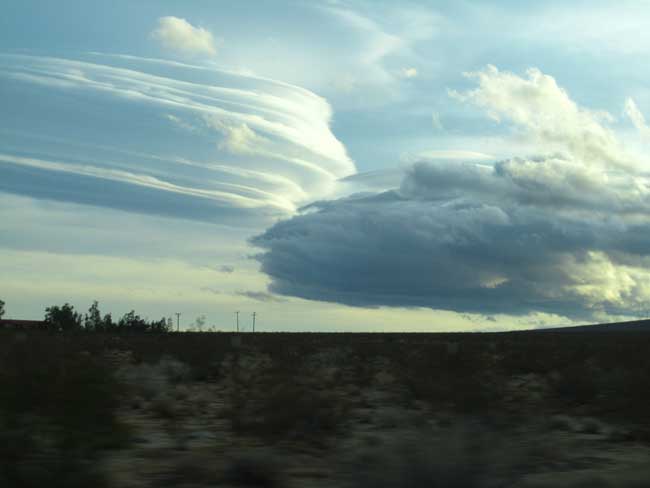
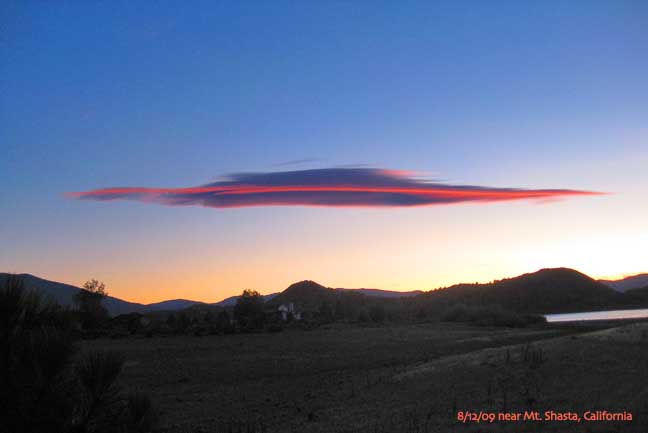
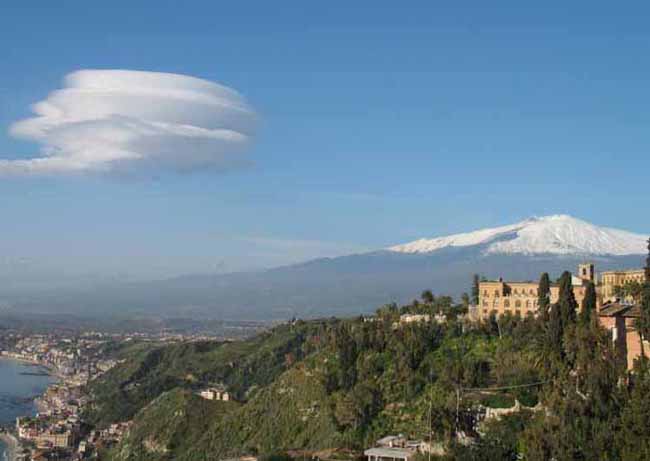
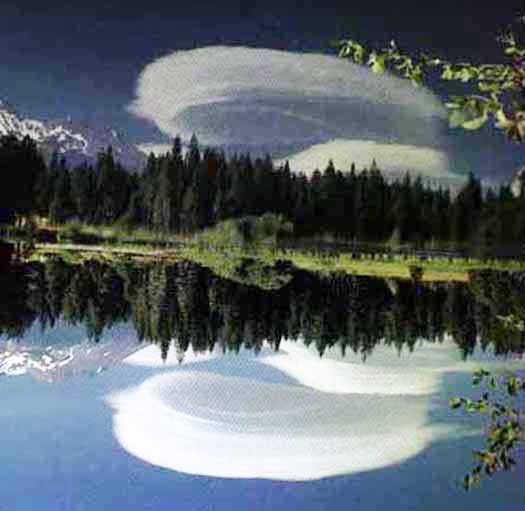
Taken by Photos by Kevin Lahey
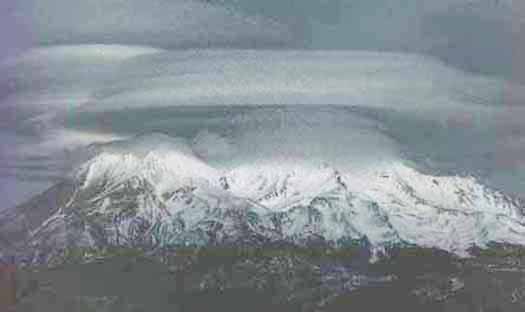
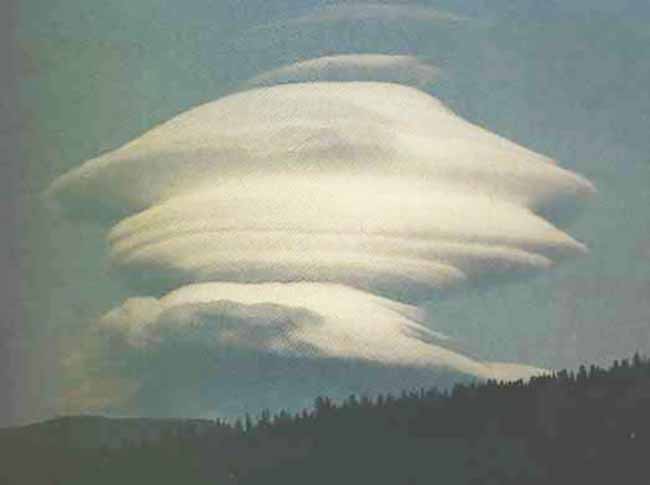
Taken by Thedra
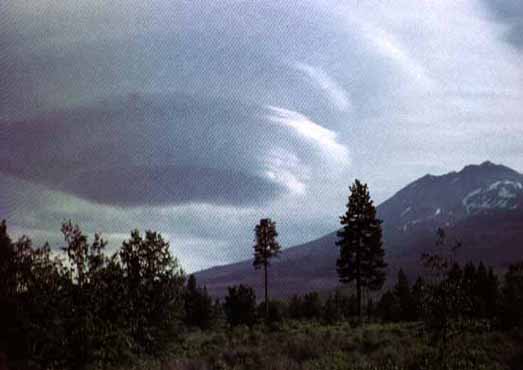
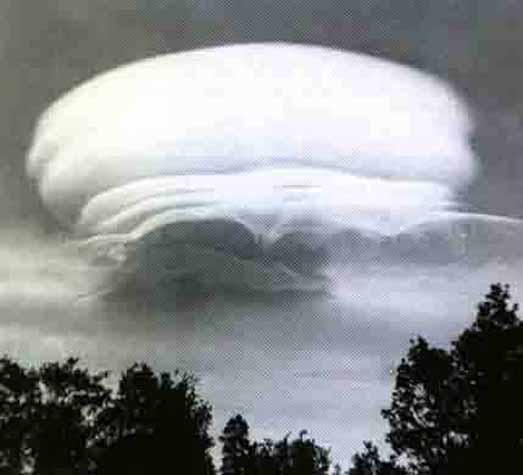
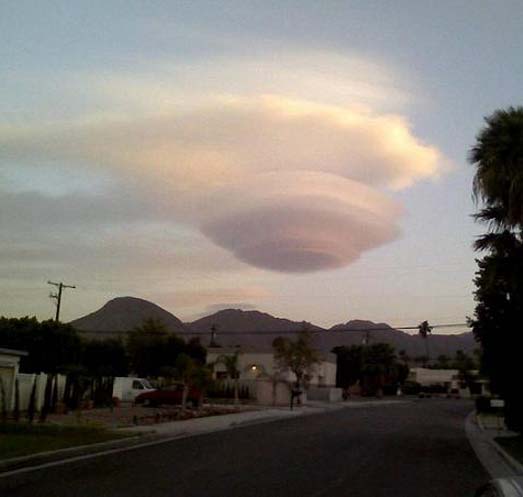
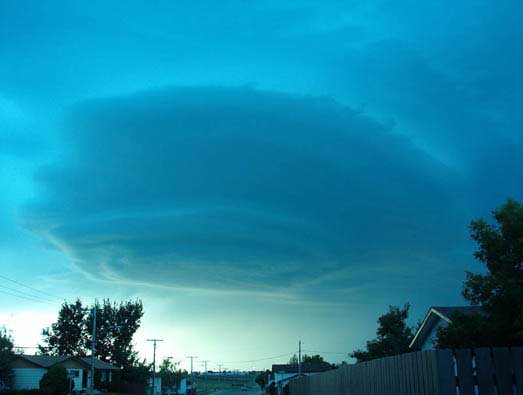
Taken by Stuart Anderson - August 3, 2006 - Saskatchewan, Canada
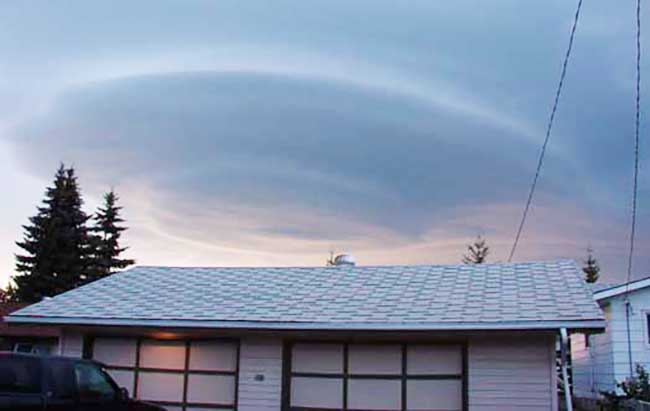
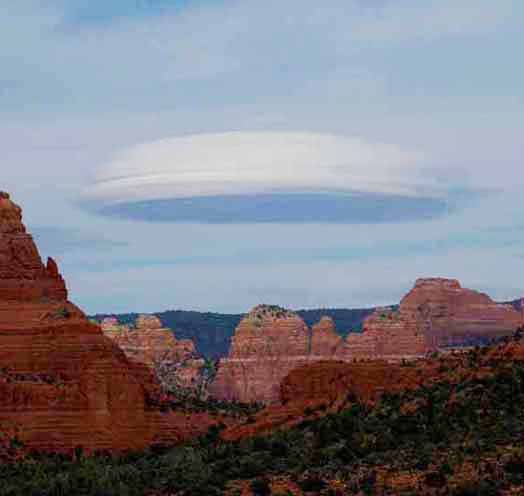
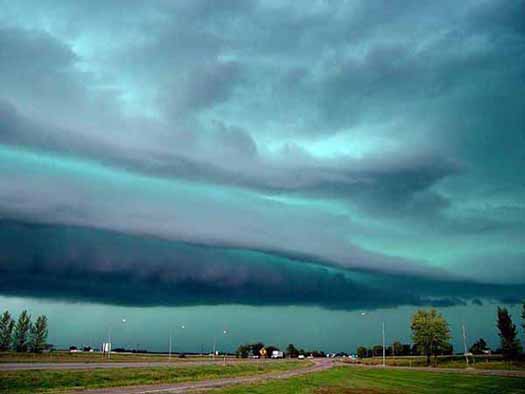
Alberta, Canada - June 21, 2005
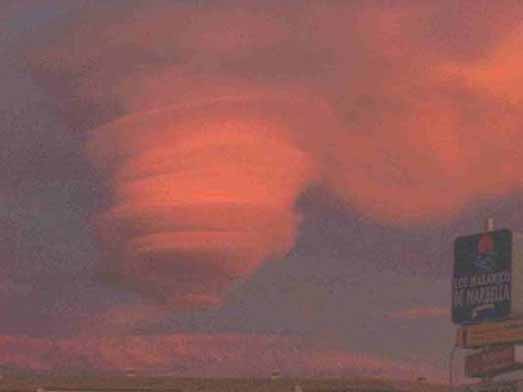
Spain 2004
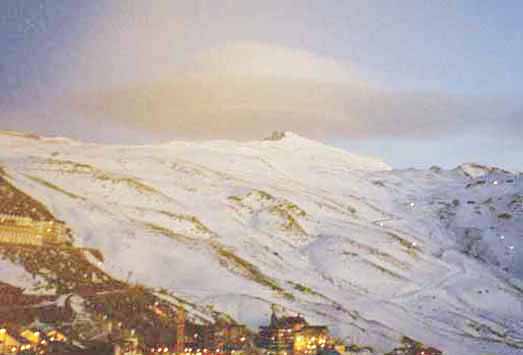
Taken by Hanne Elmose - June 2004 - Sierra Nevada, Spain
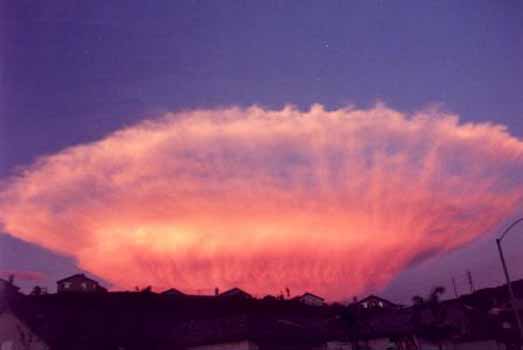
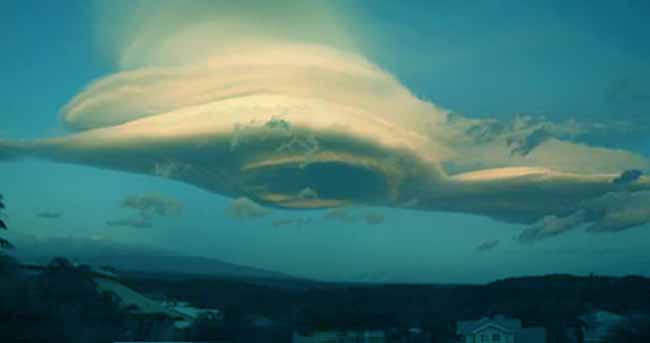
November 26, 2003 - Space.com
Astronomers are always looking up. Sometimes they see interesting things that aren't as far up as we normally think they're looking. Peter Michaud, a public information officer for the Gemini Observatory in Hawaii, took this picture yesterday of an unusual cloud formation above the islands. It is called a lenticular cloud, due to its lens-shaped appearance. These clouds are formed by so-called mountain waves of air created by strong winds forced over high mountains.
In this case, the mountain is Mauna Kea, a 13,796-foot peak (4,260 meters) where one of the two Gemini telescopes sits, along with several other observatories. (A twin to the Hawaiian Gemini scope is situated in Chile.) "At the high points in the wave, moisture in the air condenses out to form a cloud," Michaud explained. "In the photo you can see that the wave established this morning displayed two peaks. Actually there were four -- two more were downstream from Mauna Loa, but the other two were not as impressive as Mauna Kea's!"
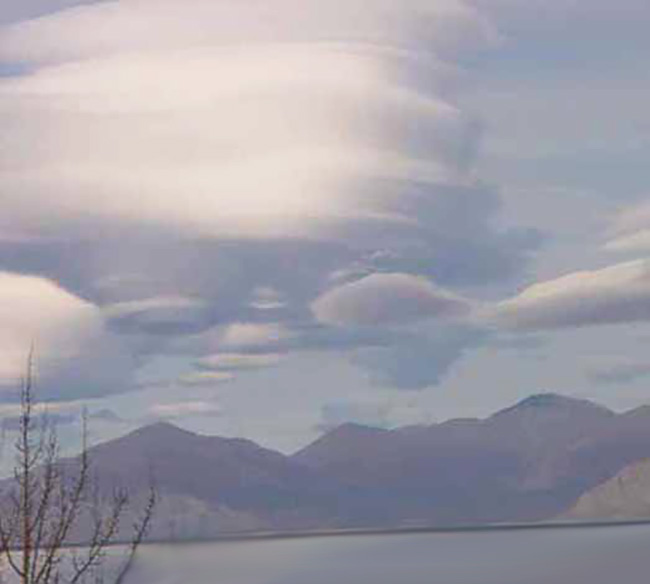
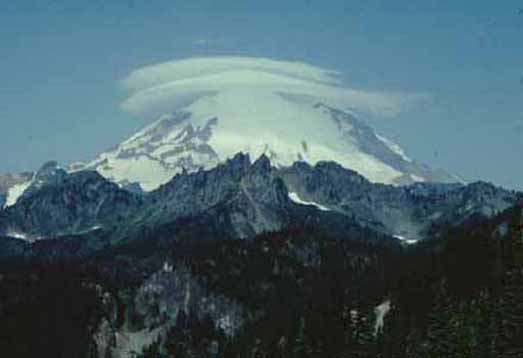
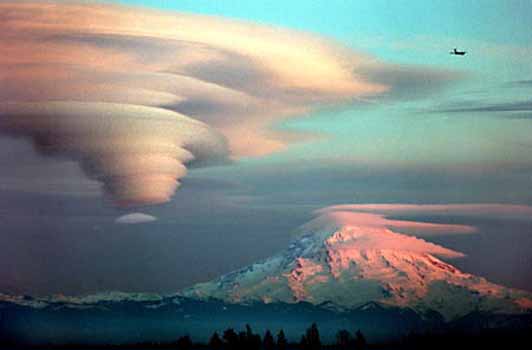
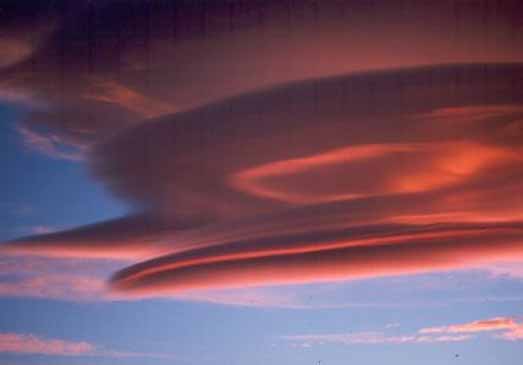
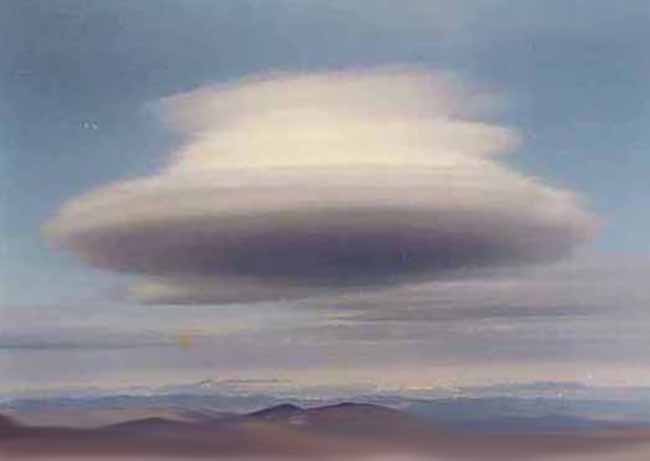
These cloud formations could be interpreted as visitors in space ships in history.
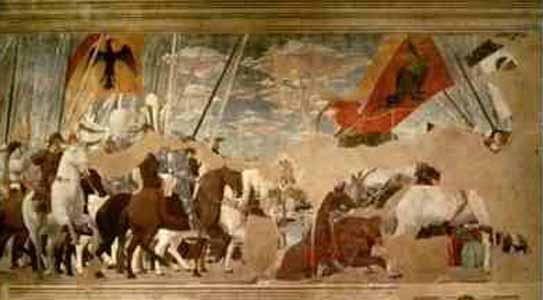
They may have been lenticular clouds