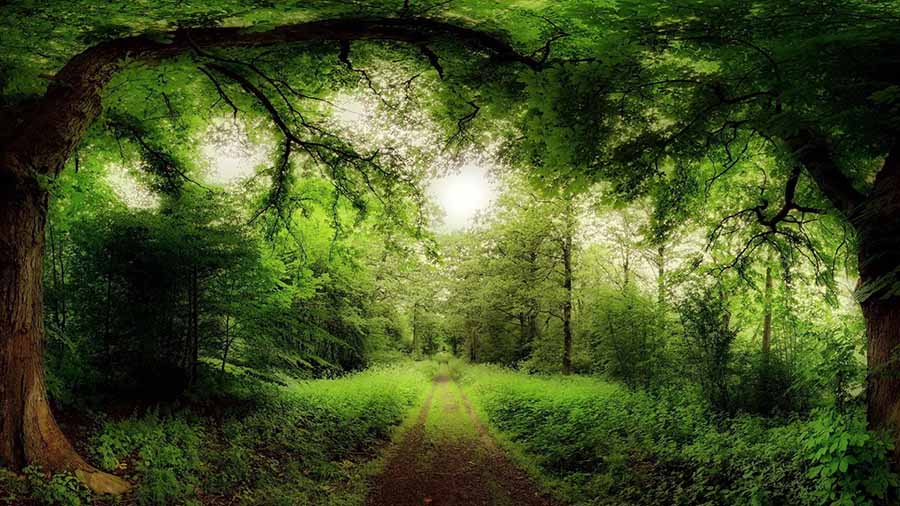
A forest, also referred to as a wood or the woods, is an area with a high density of trees. As with cities, depending on various cultural definitions, what is considered a forest may vary significantly in size and have different classifications according to how and of what the forest is composed. A forest is usually an area filled with trees but any tall densely packed area of vegetation may be considered a forest, even underwater vegetation such as kelp forests, or non-vegetation such as fungi, and bacteria.
Tree forests cover approximately 9.4 percent of the Earth's surface (or 30 percent of total land area), though they once covered much more (about 50 percent of total land area). They function as habitats for organisms, hydrologic flow modulators, and soil conservers, constituting one of the most important aspects of the biosphere.
A typical tree forest is composed of the over-story (canopy or upper tree layer) and the understory. The understory is further subdivided into the shrub layer, herb layer, and also the moss layer and soil microbes. In some complex forests, there is also a well-defined lower tree layer. Forests are central to all human life because they provide a diverse range of resources: they store carbon, aid in regulating the planetary climate, purify water and mitigate natural hazards such as floods. Forests also contain roughly 90 percent of the world's terrestrial biodiversity. Read more ...
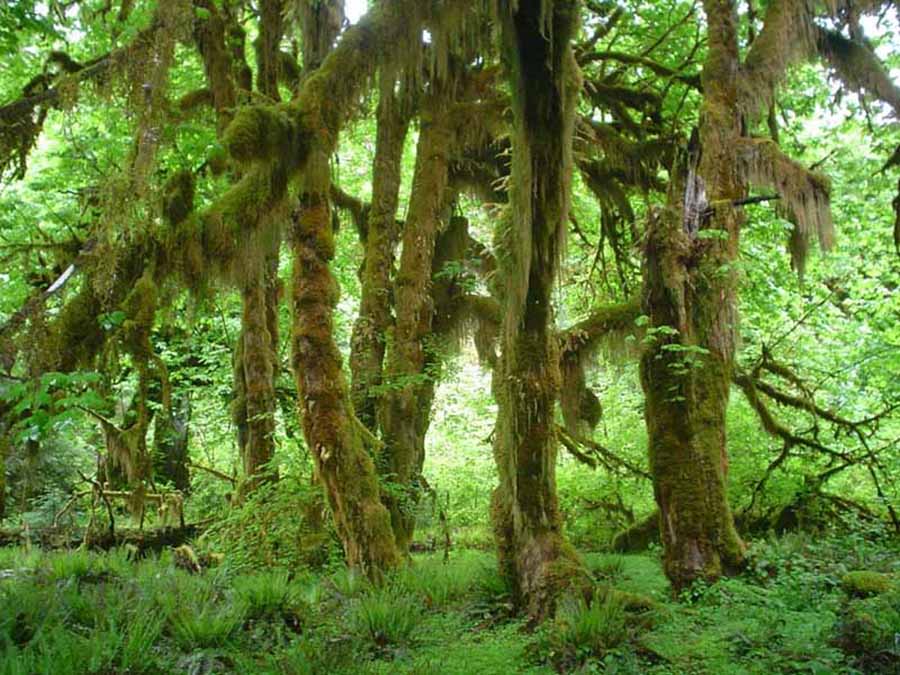
Rainforests are forests characterized by high rainfall, with annual rainfall between 250 centimetres (98 in) to 450 centimetres (180 in). The monsoon trough, alternatively known as the intertropical convergence zone, plays a significant role in creating the climatic conditions necessary for the Earth's tropical rainforests.
Around 40% to 75% of all biotic species are indigenous to the rainforests. It has been estimated that there may be many millions of species of plants, insects and microorganisms still undiscovered in tropical rainforests. Tropical rainforests have been called the "jewels of the Earth" and the "world's largest pharmacy", because over one quarter of natural medicines have been discovered there. Rainforests are also responsible for 28% of the world's oxygen turnover, sometimes misnamed oxygen production, processing it through photosynthesis from carbon dioxide and consuming it through respiration.
The undergrowth in some areas of a rainforest can be restricted by poor penetration of sunlight to ground level. If the leaf canopy is destroyed or thinned, the ground beneath is soon colonized by a dense, tangled growth of vines, shrubs and small trees, called a jungle. There are two types of rainforest, tropical rainforest and temperate rainforest. Read more ...
Lost for 150,000 years: Rainforest stone tool discovery upends human history Science Daily - May 20, 2026
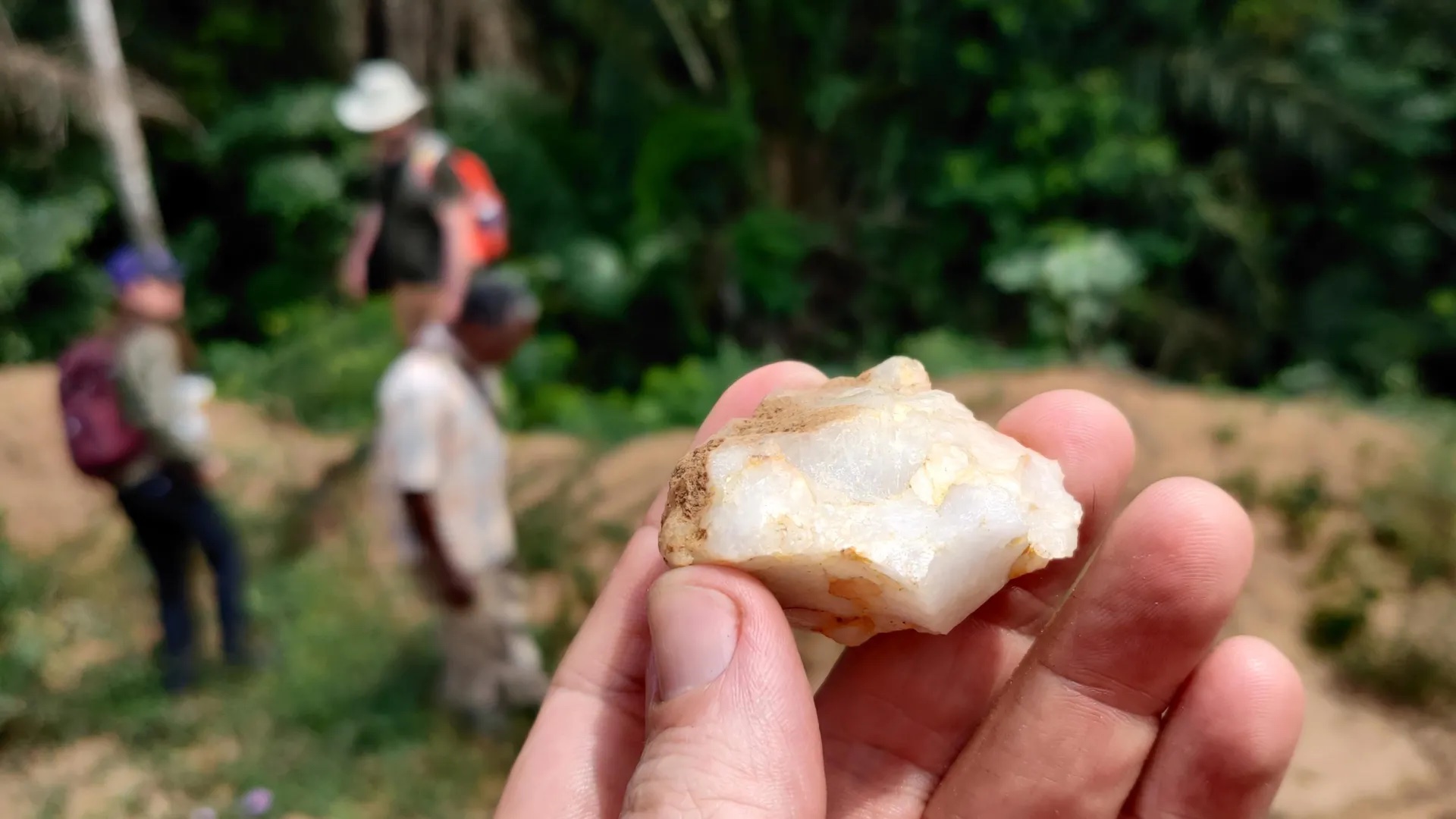
Stone tools like this one, excavated at the Anyama site, reveal that humans were present at the rainforest site roughly 150,000 years ago. Dense tropical rainforests were long considered some of the last places early humans could survive. For decades, researchers believed our ancestors mainly stuck to open grasslands and coastal regions, avoiding the thick forests of Africa until much later in history. Evidence from West Africa is now forcing scientists to rethink that assumption in a dramatic way.
Researchers investigating an archaeological site in present-day Cote d'Ivoire found evidence that humans were living in wet tropical forests roughly 150,000 years ago. The discovery pushes back the oldest known evidence of rainforest habitation by more than double previous estimates and suggests early Homo sapiens were far more adaptable than once believed.
'Another piece of the puzzle': Antarctica's 1st-ever amber fossil sheds light on dinosaur-era rainforest that covered South Pole 90 million years ago Live Science - November 18, 2024

For the first time, researchers have discovered a piece of fossilized resin, or amber, in Antarctica. The tiny golden fragment, unearthed beneath the seafloor, contains microscopic remnants of an ancient dinosaur-era rainforest that sprawled across the continent 90 million years ago, a new study reveals. Amber is fossilized resin, or tree sap, that can trap plants, insects, small animals or other organic matter with it as it hardens. The golden-yellow casing is airtight and mostly see-through, meaning it both perfectly preserves and displays whatever is inside it, like a transparent time capsule.
Scientists Finally Discover How 'Stone Forests' Develop Their Otherworldly Forms Science Alert - September 12, 2020
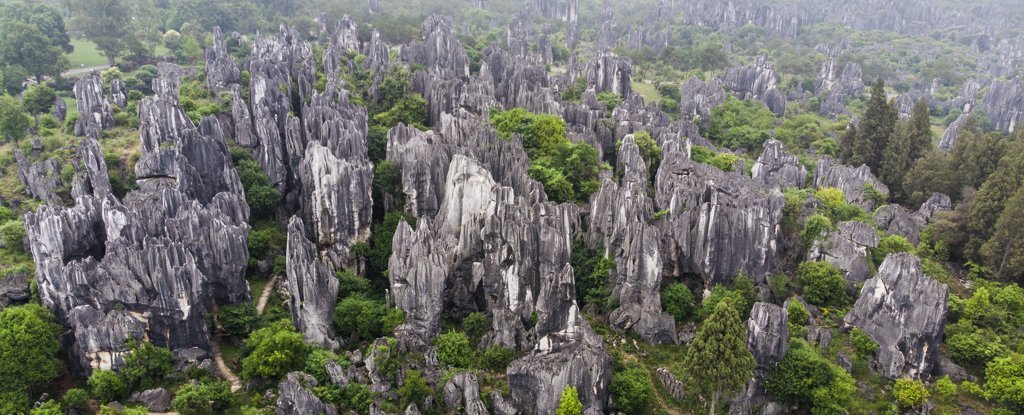
According to ancient legend, a beautiful maiden named Ashima drowned in a river, and turned into stone. This, it has been said for centuries, is how China's stunning Stone Forest of Shilin first took shape. According to new research, however, there's another explanation for the phenomenon that gives stone forests their surreal and otherworldly forms, and while it might not quite match the magic and mystery of Ashima's tragic tale, it is perhaps a more convincing take in these modern, skeptical times. In a new study, scientists investigated the formation processes behind these jagged pillars, which naturally take on their spiky shapes after mineral formations submerged in water slowly dissolve over time once they become exposed to the air.
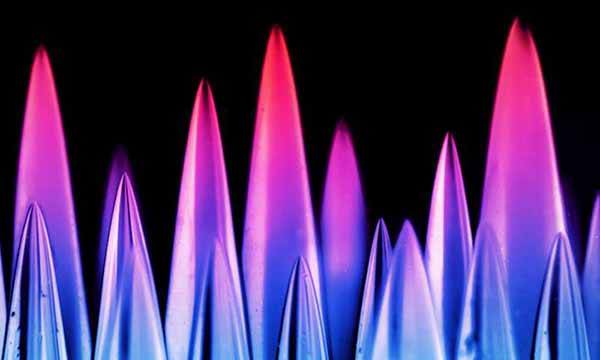
'Candyland' stone forests form using deceptively simply physics Live Science - September 10, 2020
The stunning, razor-sharp spires of stone forests can form in deceptively simple conditions, a sugary new experiment finds. Using sticks of candy, researchers discovered that cylindrical shapes can naturally sharpen into points in still water as they dissolve - no complicated flow required. This phenomenon could explain why sharp stone pinnacles are often found where easily-dissolvable limestone rock predominates. Examples include the Stone Forest, or Shilin, of Kunming, China, the jagged pinnacles of Tsingy de Bemaraha National Park in Madagascar, and the Pinnacles of Gunung Mulu in Malaysia.
Scientists Discover Ice Age Forests in the North Sea's Sunken Lost World SciTech Daily - March 15, 2026

Long before the North Sea covered Doggerland, the now-lost landscape may have supported forests, wildlife, and possibly human communities earlier than scientists once believed. Using sedimentary ancient DNA, researchers uncovered evidence that temperate trees thrived there thousands of years earlier than indicated by previous records.
We got evidence of boars, deer, bears, aurochs - Ancient DNA reveals sunken realm Doggerland had habitable forests during the last ice age Live Science - March 17, 2026
Archaeologists Just Unearthed a 5,000-Year-Old Fortress Hiding Deep in the Forest of Romania Daily Galaxy - February 18, 2026

Deep in the forests of Neamț County, Romania, archaeologists have uncovered a 5,000-year-old fortress that had been hiding in plain sight for centuries.Thanks to some high-tech tools, researchers were able to uncover this ancient structure from a time when the world was transitioning from the Neolithic to the Bronze Age.
Yellowstone: Frozen forest discovery hints at future alpine ecosystem changes PhysOrg - January 6, 2025

Scientists say the frozen remnants of an ancient forest discovered 600 feet above the modern tree line on the Beartooth Plateau may portend possible changes for the alpine ecosystem if the climate continues to warm. Scientists studied the remains of a mature whitebark pine forest that formed at 10,000 feet elevation about 6,000 years ago, when warm-season temperatures in the Greater Yellowstone Ecosystem were similar to those of the mid-to-late 20th century. The forest thrived for centuries until the climate began to cool about 5,500 years ago due to declines in summer solar radiation, the researchers found. The cooler temperatures shifted the tree line downslope and transformed the high mountain landscape from forest to the alpine tundra that exists today.
Artists Recorded Haunting Sounds From The World's Largest Living Thing - A Forest Named Pando in Utah Science Alert - September 10, 2024

We can now hear one of the largest and most ancient living organisms on Earth whisper with the tremble of a million leaves echoing through its roots. The forest made of a single tree known as Pando ("I spread" in Latin) has 47,000 stems (all with the same DNA) sprouting from a shared root system over 100 acres (40 hectares) of Utah. Here, this lone male quaking aspen (Populus tremuloides) gradually grew into a massive 6,000 metric tons of life, making it the largest living organism in the world in terms of mass. After possibly 12,000 years of life on Earth, this massive plant, whose tree-like stems tower up to 24 meters (80 feet), surely has plenty to say. And recordings released this year let us 'hear' it like never before.
The world's boreal (wilderness) forests are shrinking as climate change pushes them northward PhysOrg - November 6, 2023
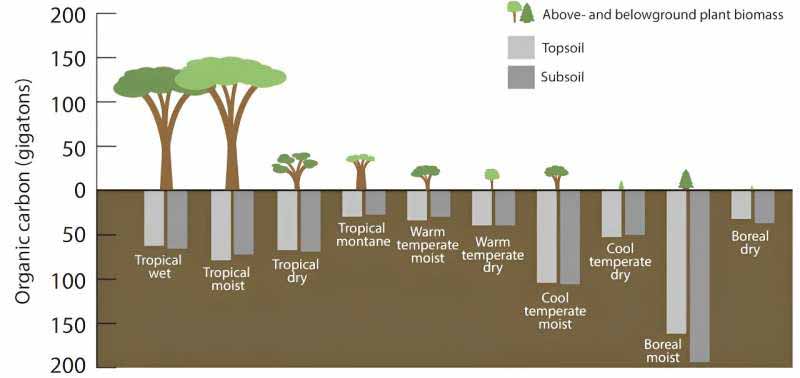
Earth's boreal forests circle our planet's far northern reaches, just south of the Arctic's treeless tundra. If the planet wears an Arctic ice cap, then the boreal forests are a loose-knit headband wrapped around its ears, covering large portions of Alaska, Canada, Scandinavia and Siberia.
Fossils of Leaves in Borneo Reveal an Ancient 4 Million-Year-Old Forest Science Alert - May 4, 2022

Leaf fossils on Borneo have been studied in detail for the first time, say researchers, revealing that the rainforests that cover the surface of the island have been in place and fostering biodiversity for at least 4 million years.
Mysterious Mexican mangrove forest is 'trapped in time' hundreds of miles from the coast Live Science - October 8, 2021
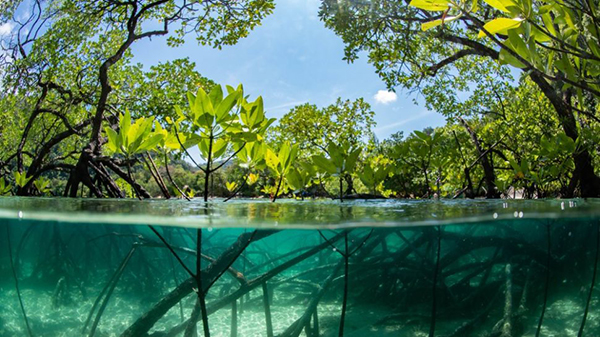
Normally, trees of this species - known as red mangroves, or Rhizophora mangle - grow only in salt water, along tropical coastlines. But this forest is located near the San Pedro River in the state of Tabasco, more than 125 miles (200 kilometers) from the nearest ocean. Somehow, these mangroves have adapted to live exclusively in this freshwater environment in southeast Mexico. Exactly how this ecological enigma came about has baffled scientists. But now, an international, multidisciplinary team of researchers has revealed that this out-of-place ecosystem began growing around 125,000 years ago, when sea levels were much higher and the ocean covered most of the region.
Greece wildfires: Blaze forces evacuations on island of Samos BBC - August 26, 2019
Hundreds of people have been evacuated from hotels and beaches in Greece as firefighters tackle dozens of wildfires across the country. About 700 firefighters were deployed over the weekend as the fires spread, fanned by strong winds and hot, dry conditions, officials said. One of the worst fires, on the island of Samos, forced authorities to transfer people from several hotels. Wildfires often occur in Greece as temperatures rise in dry summer months.
In pictures: Wildfires ignite across Indonesia BBC - August 23, 2019
As fires rage in Brazil's Amazon rainforest, the south-east Asian nation of Indonesia is witnessing a similarly devastating ecological tragedy unfold. The dry season has arrived in Indonesia - home to some of the world's oldest tropical forests - bringing with it its worst annual fire season since 2015. Close to 700 hotspots have been identified in fire-prone regions in Sumatra, Kalimantan and the Riau islands. They are often considered to be the planet's most bio-diverse places but large swathes are being destroyed in the name of large-scale commercial efforts.
2019 Brazil wildfires Wikipedia
Wildfires rage in the Amazon CNN - August 22, 2019
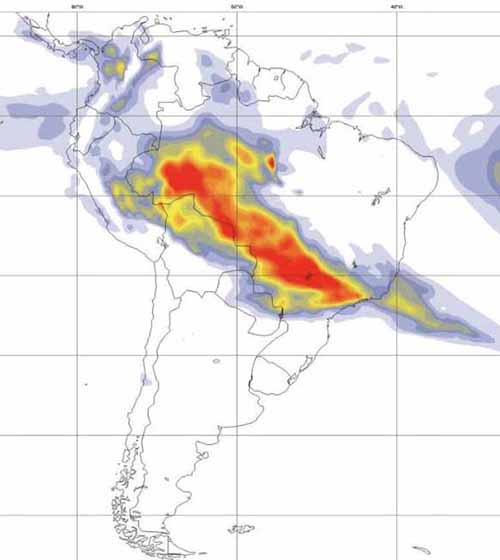
Smoke from the Amazon wildfires has covered almost half of Brazil. Wildfires are raging at a record rate in Brazil's Amazon rainforest. Environmental organizations and researchers say the wildfires were set by cattle ranchers and loggers who want to clear and utilize the land, emboldened by the country's pro-business president. The Amazon, the lungs of our planet produces 20% of our oxygen.
Rainforest collapse 307 million years ago impacted the evolution of early land vertebrates PhysOrg - February 7, 2018
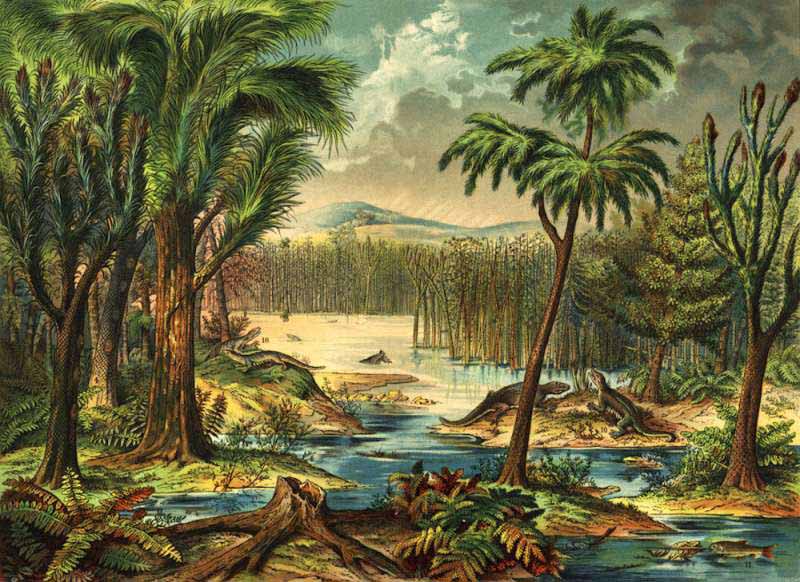
The mass extinction seen in plant species caused by the onset of a drier climate 307 million years ago led to extinctions of some groups of tetrapods, the first vertebrates to live on land, but allowed others to expand across the globe.
Research predicts extreme fires will increasingly be part of our global landscape PhysOrg - February 6, 2017
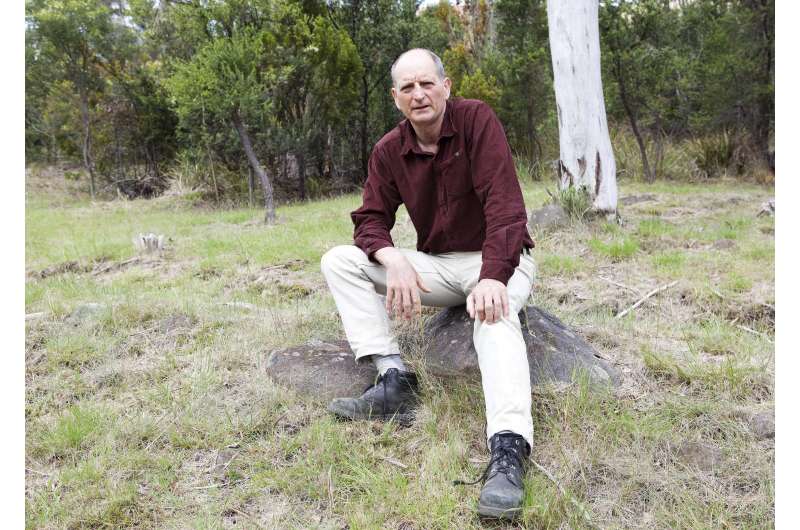
Increasingly dangerous fire weather is forecast as the global footprint of extreme fires expands, according to the latest research. Extreme fire events are a global and natural phenomenon, particularly in forested areas that have pronounced dry seasons. They can't stop big, intense fires from happening i many places, as they are increasing under climate change. However, in the western US, they hope to reduce the potential for fire disasters by both reducing forest density and improving mitigation and preparedness through the development of fire-resilient communities.
Oldest pine fossils reveal fiery past Science Daily - March 10, 2016
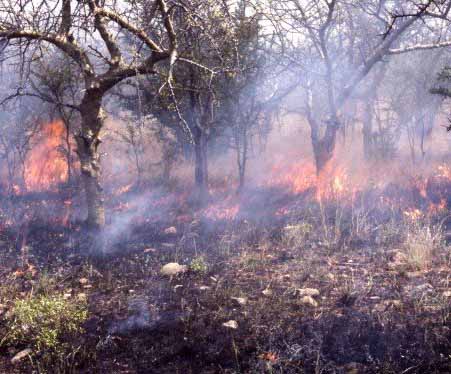
The oldest fossils of the familiar pine tree that dominates Northern Hemisphere forests today has been found by researchers. The 140-million-year-old fossils (dating from the Cretaceous 'Age of the Dinosaurs') are exquisitely preserved as charcoal, the result of burning in wildfires. Scientists have found the oldest fossils of the familiar pine tree that dominates Northern Hemisphere forests today. Scientists have found the oldest fossils of the familiar pine tree that dominates Northern Hemisphere forests today. The 140-million-year-old fossils (dating from the Cretaceous 'Age of the Dinosaurs') are exquisitely preserved as charcoal, the result of burning in wildfires. The fossils suggest that pines co-evolved with fire at a time when oxygen levels in the atmosphere were much higher and forests were especially flammable.
Ancient fossil forest unearthed in Arctic Norway PhysOrg - November 19, 2015
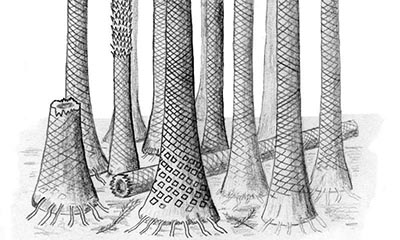
UK researchers have unearthed ancient fossil forests, thought to be partly responsible for one of the most dramatic shifts in the Earth's climate in the past 400 million years. The fossil forests, with tree stumps preserved in place, were found in Svalbard, a Norwegian archipelago situated in the Arctic Ocean. They were identified and described by Dr Chris Berry of Cardiff University's School of Earth and Ocean Science. Prof John Marshall, of Southampton University, has accurately dated the forests to 380 million years. The forests grew near the equator during the late Devonian period, and could provide an insight into the cause of a 15-fold reduction in levels of carbon dioxide (CO2) in the atmosphere around that time. Current theories suggest that during the Devonian period (420-360 million years ago) there was a huge drop in the level of CO2 in the atmosphere, thought to be largely caused by a change in vegetation from diminutive plants to the first large forest trees.
Weird Forests Once Sprouted in Antarctica Live Science - November 2, 2013
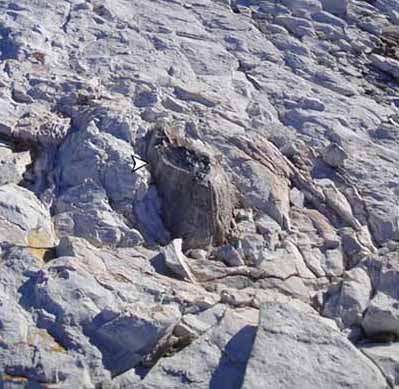
Strange forests with some features of today's tropical trees once grew in Antarctica, new research finds. Some 250 million years ago, during the late Permian and early Triassic, the world was a greenhouse, much hotter than it is today. Forests carpeted a non-icy Antarctic. But Antarctica was still at a high latitude, meaning that just as today, the land is bathed in round-the-clock darkness during winter and 24/7 light in the summer.
Team reveals oldest fossilized forest PhysOrg - February 29, 2012
An international team, including a Cardiff University researcher, who previously found evidence of the Earth's earliest tree, has gone one step further. The research team has now unearthed and investigated an entire fossil forest dating back 385 million years.
Giant Vines & Towering Trees: Ancient Forest Unearthed Live Science - February 29, 2012
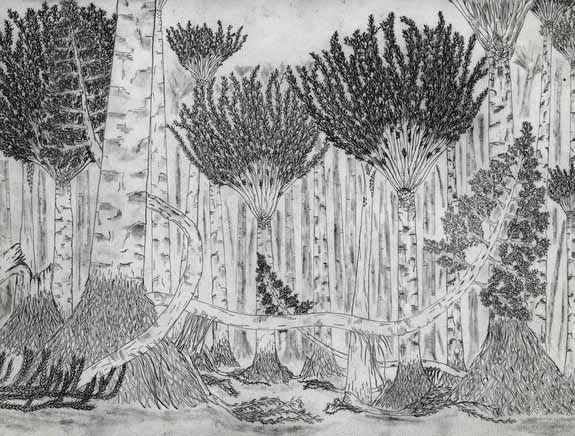
One of the earliest forests in the world was home to towering palmlike trees and woody plants that crept along the ground like vines, a new fossil find reveals. The forest, which stood in what is now Gilboa, N.Y., was first unearthed in a quarry in the 1920s. But now, a new construction project has revealed for the first time the forest floor as it stood 380 million years ago in the Devonian period.
First-of-Its-Kind Map Details the Height of the Globe's Forests Science Daily - July 21, 2010
Using NASA satellite data, scientists have produced a first-of-its kind map that details the height of the world's forests. Although there are other local- and regional-scale forest canopy maps, the new map is the first that spans the entire globe based on one uniform method.
The Lost Forests of America Live Science - April 24, 2009
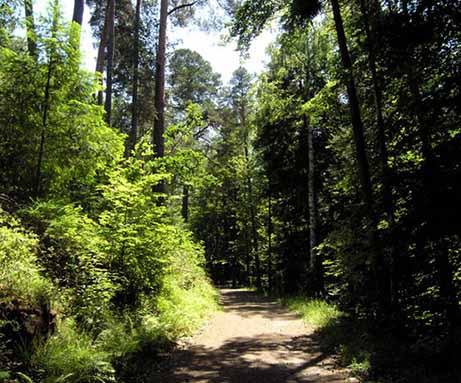
You could plant any old tree to celebrate Arbor Day April 24. But consider instead a sugar maple, or another of the native trees that once abounded in this country. The forests that once dominated this nation were full of trees such as chestnuts, hemlocks and white pines on the East Coast and conifers such as redwoods and Douglas firs on the West Coast. Around the arrival of Columbus, "it's said that squirrels could travel from tree to tree from the Northeast to the Mississippi without ever having to touch the ground," said Chris Roddick, chief arborist at the Brooklyn Botanic Garden in New York. "In the old growth forests in the Northeast, you had hemlock that were six or seven feet in diameter, chestnut trees 200 feet tall."
Ancient forest found in Hungary BBC - August 12, 2007
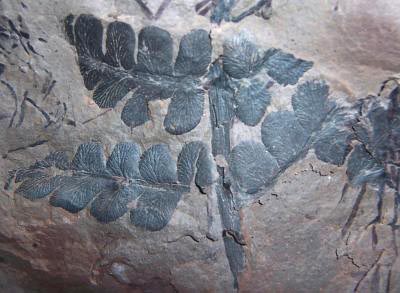
An ancient forest of cypress trees, estimated to be eight million years old, has been discovered in Hungary. Archaeologists found the 16 preserved trunks in an open cast coal mine in the north-eastern city of Bukkabrany. The specimens were preserved intact while most of the forest turned to coal thanks to a casing of sand, which was perhaps the result of a sandstorm. It is hoped the trees may offer experts a valuable insight into Earth's climate eight million years ago. The massive trunks are of a species known as swamp cypresses, which grew for 200-300 years. The wood of the trees is still brown in photographs taken by the archaeologists, giving the impression that it has only just been split. The stumps, 2-3m (10ft) in diameter and 6m (19ft) high, stand uncovered on the lowest level of the mine. However, now that the protective material around them has been stripped there is a danger that the trunks could turn to dust before the scientists' eyes.