Quote: This generation of Americans has a rendezvous with destiny.
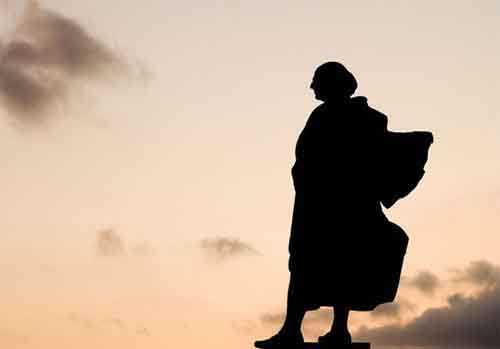

Today's three overlapping celebrations take us on a deeply interconnected historical journey - one that is still actively playing out before our eyes. From Trump's push for control of Canada and the U.S.-Canada Trade War, to the ongoing endurance and plight of Indigenous peoples, the structural patterns remain the same. Science and technology may have upgraded the content and the medium of how we communicate and trade, but what we are witnessing today is simply the expansion of a systemic algorithm of events that began hundreds, if not thousands, of years ago. To those celebrating today - enjoy your holiday and honored traditions.
Quote: This generation of Americans has a rendezvous with destiny.
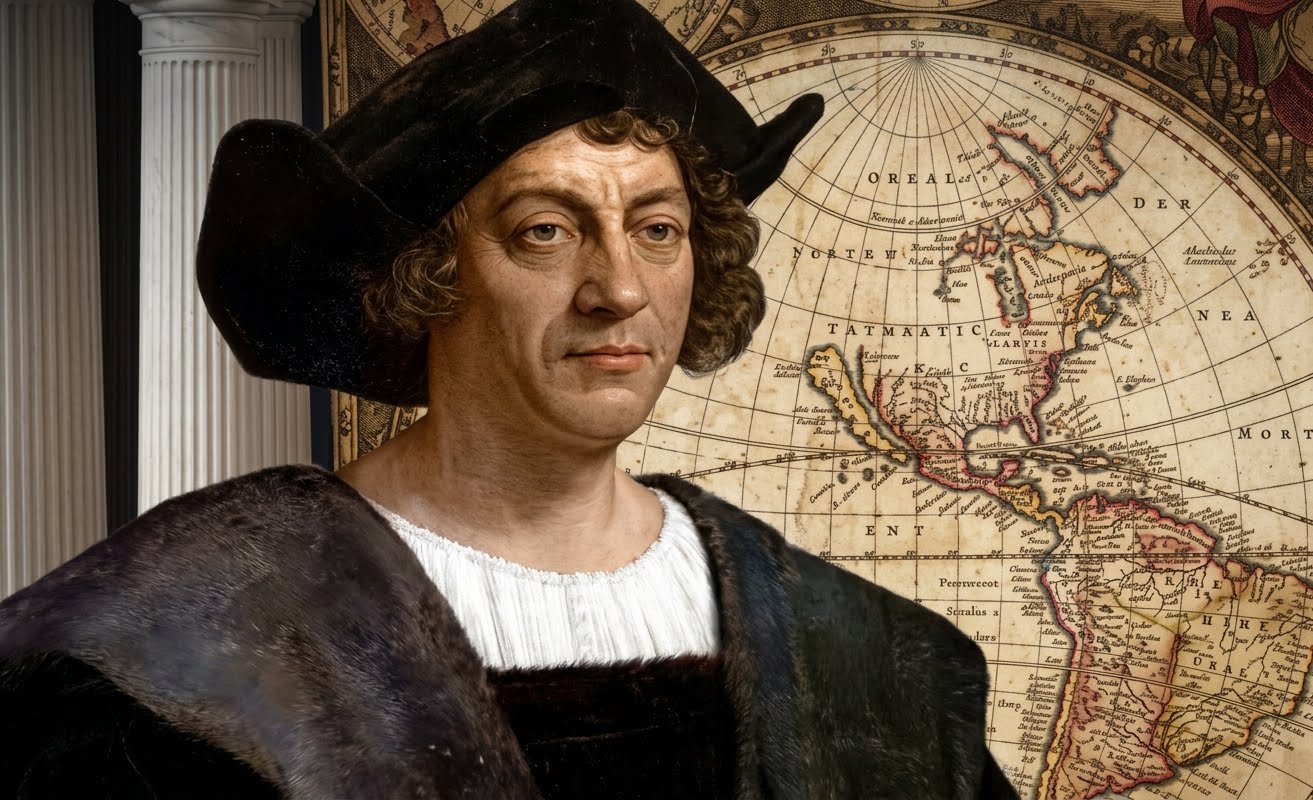
Happy Columbus Day. Like the stormy seas that brought Columbus to the Americas - the storms are lifting, the floods subsiding, as the sun comes out in NYC to honor Christopher Columbus with its annual parade down 5th Avenue.
Every year interesting information seems to surface about the life and times of Christopher Columbus that make things more interesting and keeps the narrative growing.
-
Does this connect Columbus to the original bloodline that started it all at the beginning of the human journey?
-
Then there's the story of a strange sighting by Columbus and his crew before landing in the Americas - which some associate with divine guidance along the way.
-
Was history correct in saying that Columbus was the first European to land in America? The answer is no. The Norse Vikings got here first. Rock-solid archaeological evidence proves that Leif Erikson and Norse voyagers established a settlement at L'Anse aux Meadows in Newfoundland, Canada, in exactly 1021 CE - nearly 500 years before Columbus looked West. Even further south, master Polynesian navigators were crossing the Pacific around 1200 CE to trade with South American cultures.
-

Norse explorer Leif Ericson discovers Vinland becoming the first known European to set foot in North America.
Inuit figurine: A 700-year-old Indigenous carving of a European made a century before Columbus
Was history correct in saying that Columbus was the first European to land in America? The answer is no. The Norse Vikings got here first. Rock-solid archaeological evidence proves that Leif Erikson and Norse voyagers established a settlement at L'Anse aux Meadows in Newfoundland, Canada, in exactly 1021 CE - nearly 500 years before Columbus looked West. Even further south, master Polynesian navigators were crossing the Pacific around 1200 CE to trade with South American cultures.
When Columbus set sail in 1492 with the Nina, the Pinta, and the Santa Maria, he wasn't even looking for a new continent; he was looking for a trade route to Asia. He didn't even set foot on the North American mainland, making landfall instead in the Caribbean.
-

So why does 1492 still dominate our modern algorithm? But as fate would have it - Columbus arrived at the dawn of the printing press. When he made it back to Europe , the news of his voyage didn't stay isolated in Norse oral sagas or quiet regional trading lore. It was printed, copied, and spread like wildfire across the continent. Because of this media revolution, his arrival kickstarted the Age of Exploration, the Columbian Exchange, and modern globalization permanently altering the course of world history.
The printing press was the original upgraded medium. Today, we have many ways to deliver the news - from the internet to advanced logistics. The technology may have evolved, but the underlying machinery - the foundational algorithm of global power, resources, trade borders, and cultural endurance - is the same as that set in motion centuries ago - showing us that the stages of human evolution are by design.
There are no coincidences. Like everything else unfolding in the algorithm of reality - it was simply "time" for someone to discover the Americas moving the "Masonic Program" to the American shores and setting in motion the final insert of the Human Experiment which we see playing out across our screens today.
As the parade marches through New York today, we celebrate our vibrant culture, correct the history books, and recognize that we are all living in the latest chapter of a deeply encoded global journey.
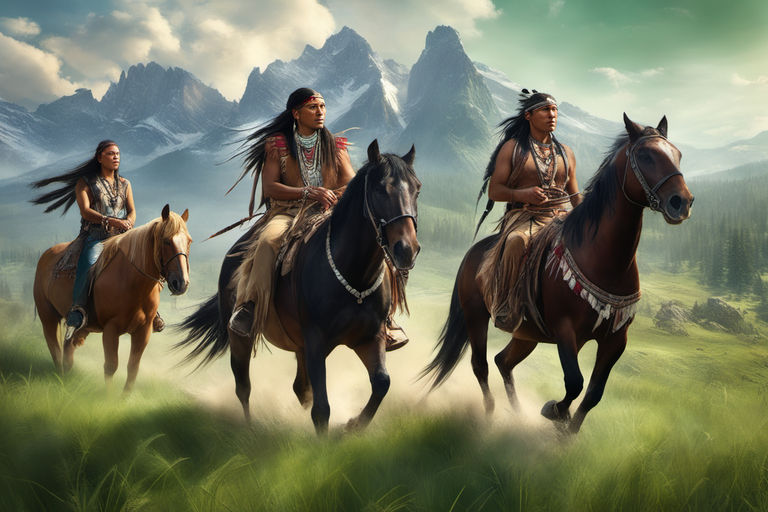
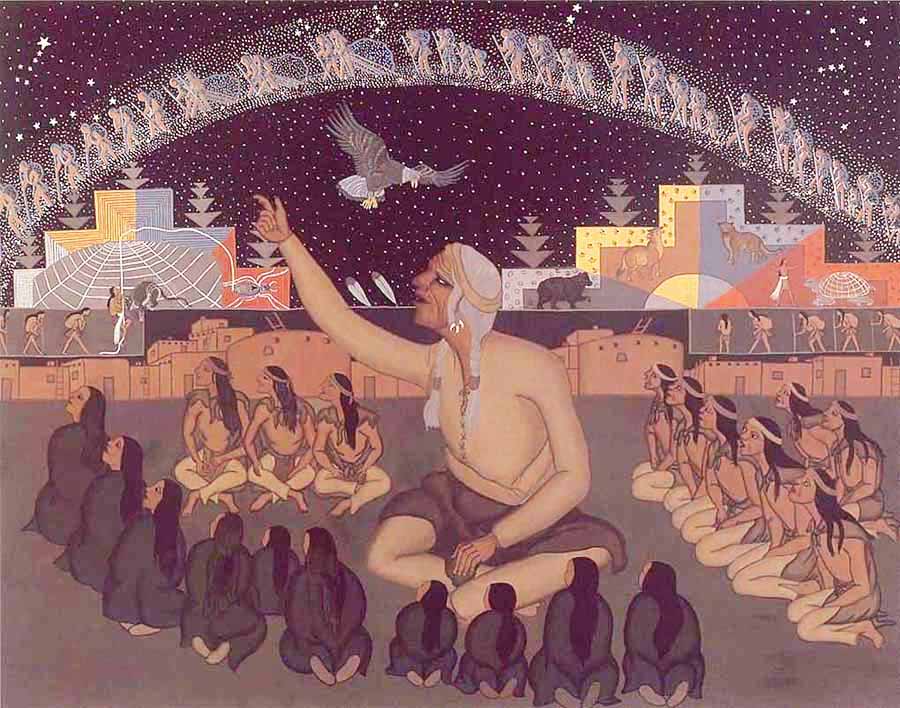
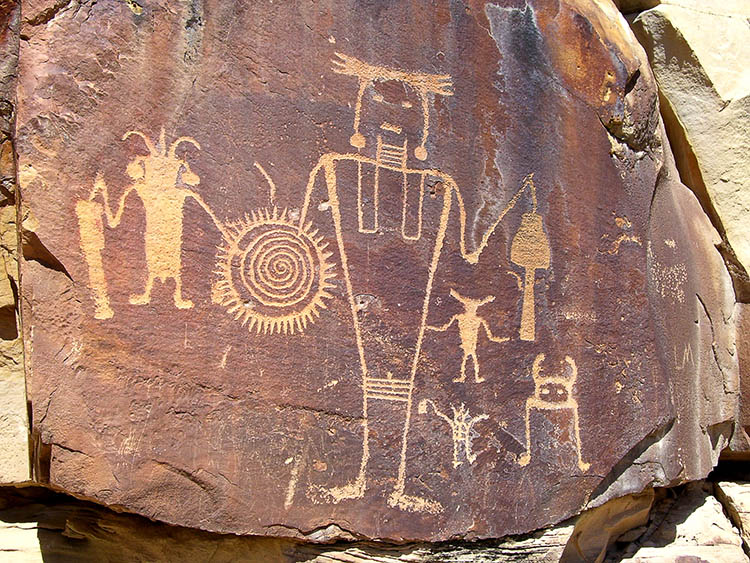
Indigenous Peoples' Day
How Indigenous Peoples' Day came about and why it matters today
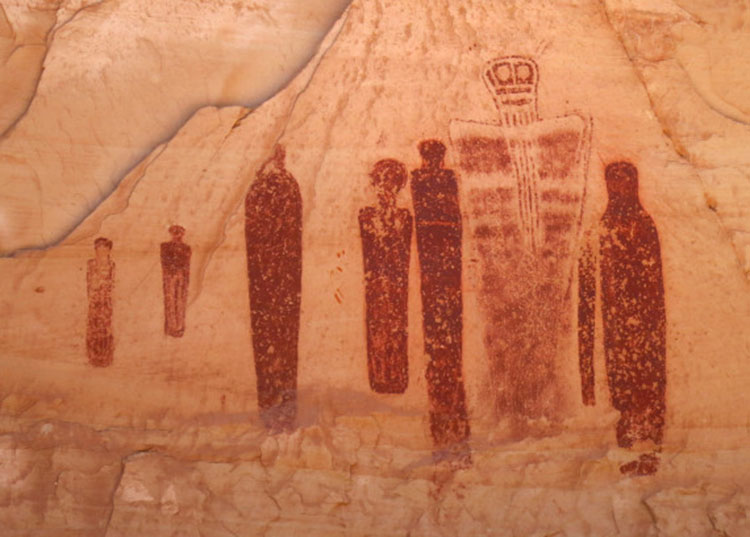
7 extraordinary Indigenous sites in the US, from Chaco Canyon to Chimney Rock
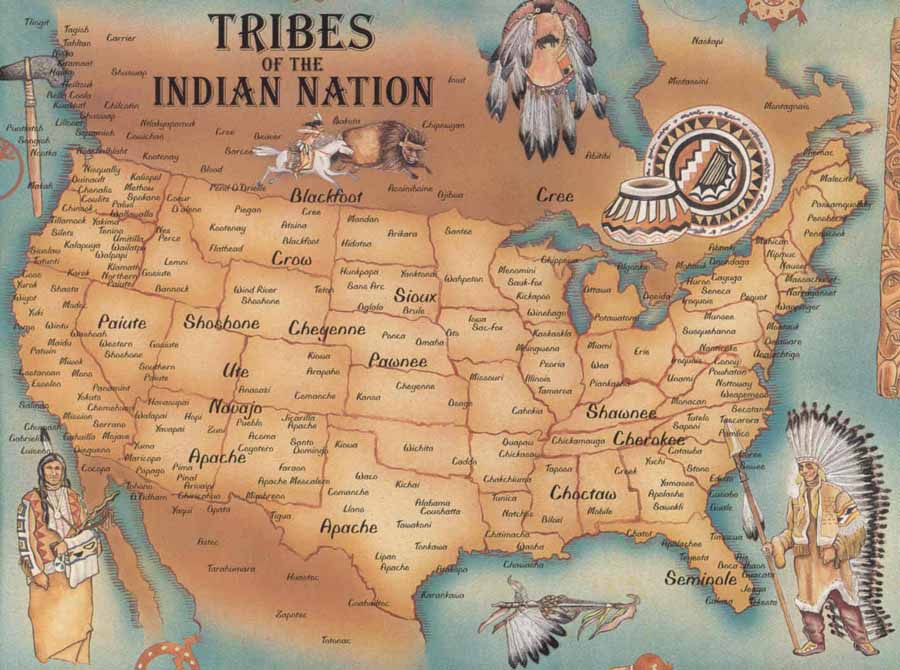
Native American Files

Thanksgiving in Canada is celebrated the second Monday in October.
To the Crystalinks readers who celebrate - enjoy your day.
We send heartfelt apologies for the behavior of our current president.