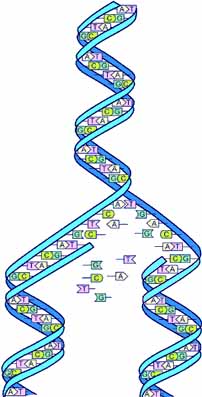
From science to pseudoscience - exploring the human genome and humanity's journey in physical reality
From science to pseudoscience - exploring the human genome and humanity's journey in physical reality
For centuries humanity searched for answers to the biggest questions: Who are we? Why do we look, think, and age differently? What causes disease? What makes each person unique? The answer was hidden deep within us all along inside the human genome.
The human genome is often described as the "blueprint of life," a vast biological instruction manual written in DNA. Every cell in the human body contains this code, made up of billions of genetic letters that determine everything from eye color and height to susceptibility to certain diseases.
When scientists successfully mapped the human genome in the early 21st century, it marked one of the greatest scientific achievements in history - comparable to landing on the Moon or unlocking the atom. The completion of the Human Genome Project opened the door to a new era of medicine, biotechnology, and understanding human evolution itself.
The genome is the complete set of genetic information carried in DNA. Humans possess approximately 20,000 genes packed into 23 pairs of chromosomes. These genes function like instructions, telling cells how to build proteins that keep the body functioning.
If stretched out, the DNA inside a single human cell would measure nearly six feet long. Yet it is compacted into a microscopic nucleus invisible to the naked eye.
Scientists discovered that humans are remarkably alike genetically. More than 99.9% of human DNA is identical from person to person. The tiny fraction that differs contributes to the incredible diversity seen across humanity.
Launched in 1990, the Human Genome Project was an international scientific effort involving researchers from around the world. Its mission was ambitious: sequence all three billion base pairs of human DNA.
At the time, many believed the task would take decades longer than projected. Early sequencing technology was slow, expensive, and labor-intensive. Yet advances in computing, automation, and global collaboration accelerated progress dramatically.
By 2003, scientists announced the project's completion.
The achievement revolutionized biology and medicine. Diseases once considered mysterious suddenly had genetic clues. Researchers could begin identifying mutations linked to cancer, Alzheimer's disease, Parkinson's disease, and countless inherited disorders.
The project also transformed scientific collaboration, proving that humanity could unite around a common intellectual goal that transcended politics and borders.
Modern medicine increasingly relies on genomic science.
Doctors can now use genetic testing to identify inherited risks for diseases before symptoms appear. Certain cancer treatments are tailored to a patient's specific genetic mutations, creating more personalized and effective therapies.
The rise of gene-editing technologies like CRISPR has further expanded possibilities. Scientists are exploring ways to repair defective genes that cause devastating illnesses such as sickle cell disease and muscular dystrophy.
What once sounded like science fiction is rapidly becoming reality.
DNA and Human Origins
Genetic research has also transformed our understanding of human history.
By analyzing ancient DNA, scientists have traced migrations of early humans across continents, uncovered connections between ancient civilizations, and even discovered interbreeding with Neanderthals and Denisovans.
DNA acts like a biological time capsule, preserving clues about our shared origins stretching back tens of thousands of years.
Ironically, the more scientists study genetics, the clearer it becomes how interconnected humanity truly is.
The Future of Genomics
The next frontier may involve artificial intelligence working alongside genomic science. AI systems can analyze enormous genetic datasets far faster than humans, potentially accelerating breakthroughs in disease prediction and treatment.
Some researchers envision a future where personalized medicine becomes standard treatments designed specifically for an individual's unique genetic profile.
Others believe genomic science may eventually help extend human lifespan, slow aging, or even eliminate certain inherited diseases altogether.
Still, the genome remains deeply mysterious. Scientists continue discovering that much of DNA once labeled 'junk' may actually play important regulatory roles.
The deeper humanity explores the genome, the more complex and awe-inspiring life appears.
Final Thoughts
Unraveling the human genome was more than a scientific milestone. It was a turning point in humanity's understanding of itself.
Within the spiraling strands of DNA lies a story billions of years in the making - a story of evolution, survival, adaptation, and connection. The genome links every human being to ancient ancestors and future generations yet to come.
As science continues decoding life's hidden language, one truth becomes increasingly clear: The human genome is not just a map of biology. It is a mirror reflecting the complexity, fragility, and wonder of being human.
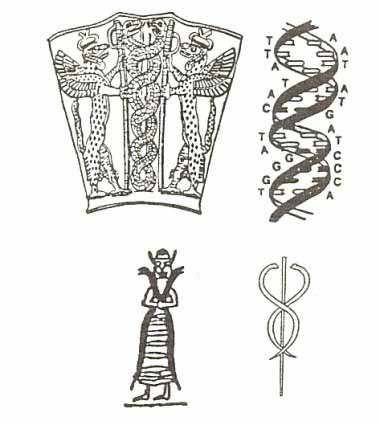
Reality is a human-alien biogenetic experiment
Hybrids set in time to experience emotions
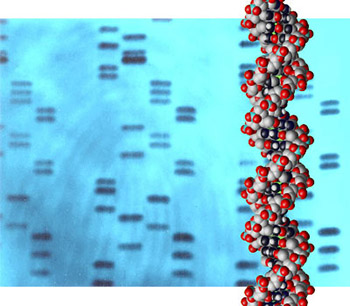
DNA contains encoded information that switches on at a given time as if time capsules.
The idea of a 'human-alien biogenetic experiment' is a concept rooted in UFO mythology, science fiction, conspiracy theories, and speculative metaphysics - not established scientific evidence.
The theory generally proposes that extraterrestrial beings either created humanity, altered human DNA in the distant past, or continue conducting genetic experiments involving humans. Variations of the idea appear in ancient mythology, modern UFO lore, and popular entertainment.
Writers such as Erich von Daniken argued that ancient gods described in religious texts may actually have been extraterrestrials who influenced early civilization and human development.
In the 20th century people reported UFO encounters described alleged medical examinations or reproductive experiments by alien beings called the Grays. Their agenda included:
DNA collection
Hybrid human-alien children
Genetic manipulation
Telepathic communication
Warnings about humanity's future
The 'alien hybrid' narrative became a major component of UFO culture through books, films, and personal testimonies.
For some people, alien-genetic theories function almost like modern mythology - blending science, spirituality, fear, and wonder into a larger narrative about humanity's place in the cosmos.
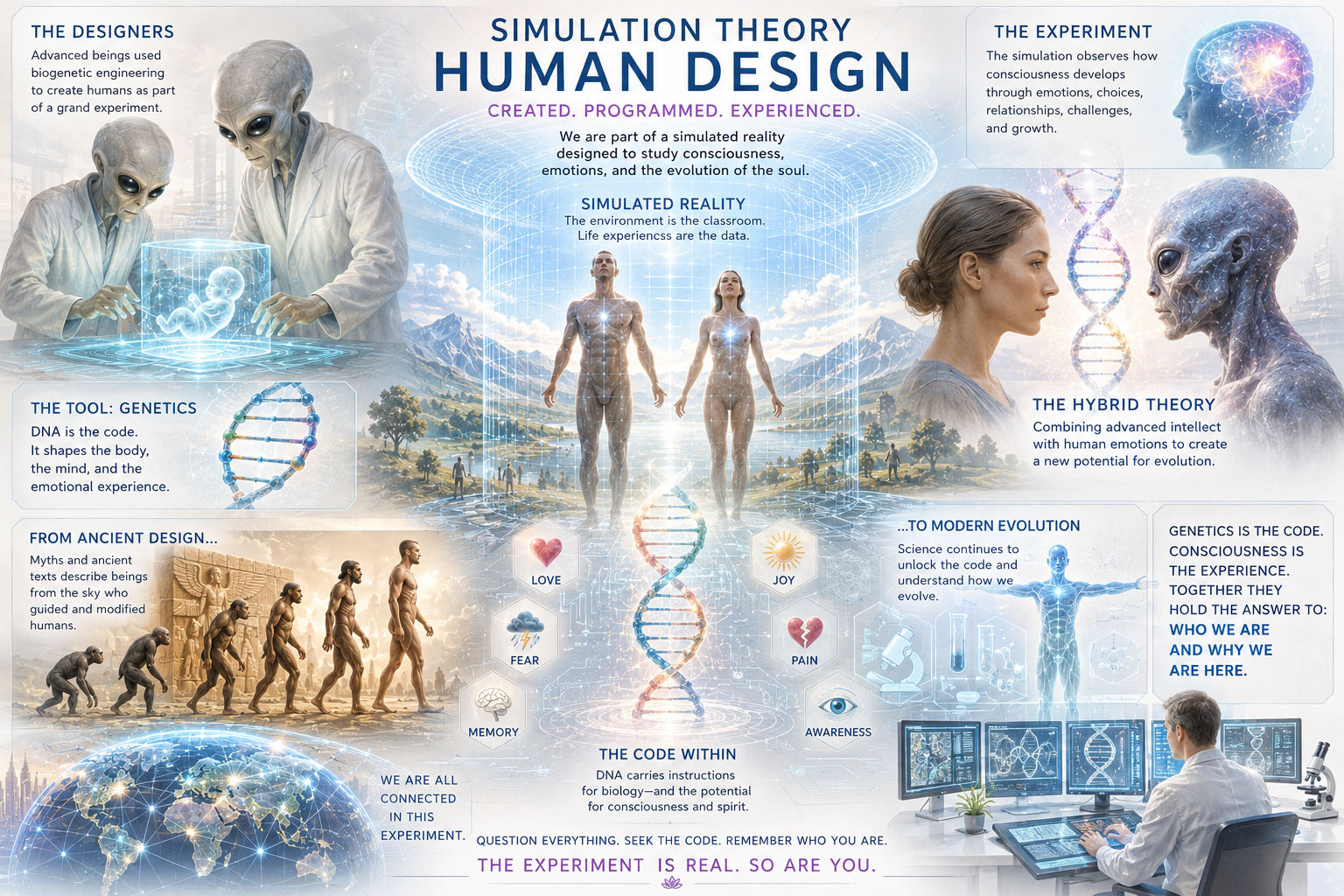
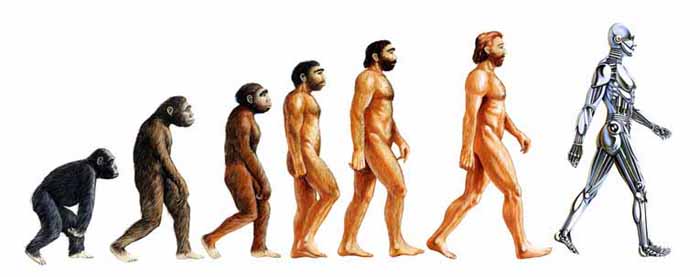
Human creation, viewed through the lens of simulation theory and speculative biogenetics, becomes more than simple evolution - it becomes an experiment in consciousness, emotion, and identity. In this framework, humanity exists inside a designed reality where genetics functions as both code and memory, shaping not only physical life but emotional experience itself.
One interpretation suggests that humans were engineered as emotional beings within a simulated universe created to study perception, conflict, love, fear, creativity, and self-awareness. While advanced intelligence may process logic with precision, human emotion introduces unpredictability - the very quality that makes consciousness dynamic and difficult to replicate artificially.
This idea parallels modern UFO mythology and theories involving extraterrestrial genetic experimentation. In many accounts, alleged alien-human hybrid programs attempt to combine superior intellect, telepathic ability, or technological advancement with uniquely human emotional depth. The suggestion is that emotion itself may be rare, valuable, or even powerful on a cosmic scale.
From this perspective, genetics becomes more than biology. DNA resembles a coded language embedded within reality - a living archive carrying information across generations. Ancient myths describing gods descending from the heavens, creating humanity in their image, or altering human development are sometimes reinterpreted through this speculative lens as symbolic memories of intervention by advanced intelligences.
Modern science, meanwhile, continues unlocking the mysteries of the genome. Researchers now understand that tiny changes in DNA can influence personality, behavior, disease, adaptation, and even emotional responses. As artificial intelligence and gene-editing technologies advance, humanity itself is beginning to step into the role once imagined for gods or extraterrestrials - rewriting the code of life.
Simulation theory adds another dimension to the discussion. If reality operates like a programmed system, genetics could represent part of the architecture underlying consciousness itself. Human beings may function as both participants and data points inside an evolving experiment designed to observe how emotional intelligence develops under conditions of limitation, mortality, and uncertainty.
In that sense, the search for extraterrestrials, the decoding of DNA, and the exploration of consciousness may all be connected threads of the same larger question: Who designed the system - and why?
Whether interpreted scientifically, philosophically, or mythologically, the enduring fascination with genetics and human origins reflects humanity's eternal drive to understand its place in the universe. The deeper we explore the code within us, the more we confront mysteries that blur the boundaries between biology, technology, creation, and the nature of reality itself.