November 19, 1938 - May 6, 2026

Ted Turner Media Mogul, Founder of CNN - Videos
Life is a game. Money is how we keep score.
November 19, 1938 - May 6, 2026
Ted Turner Media Mogul, Founder of CNN - Videos
Life is a game. Money is how we keep score.
CNN: Remembering the life and Legacy of Ted Turner Creator of CNN and the 24-Hour News Cycle
Ted Turner was one of those larger-than-life figures who seemed to embody an era when media was rapidly changing and personalities behind the scenes became celebrities in their own right. By launching CNN in 1980, Turner transformed television news from something people watched at set times each day into a constant, around-the-clock global experience. At the time, many critics thought a 24-hour news channel would fail because they believed there simply wasn't enough news to fill the hours. Instead, CNN changed journalism forever and influenced how every major network would eventually operate.
Beyond television, Turner was known for his bold, often unpredictable personality. He built a media empire that included WTBS, MGM's film library, and later helped create what became part of Turner Broadcasting.
He was also deeply involved in environmental causes, nuclear disarmament efforts, and philanthropy, donating billions to the United Nations through the UN Foundation.
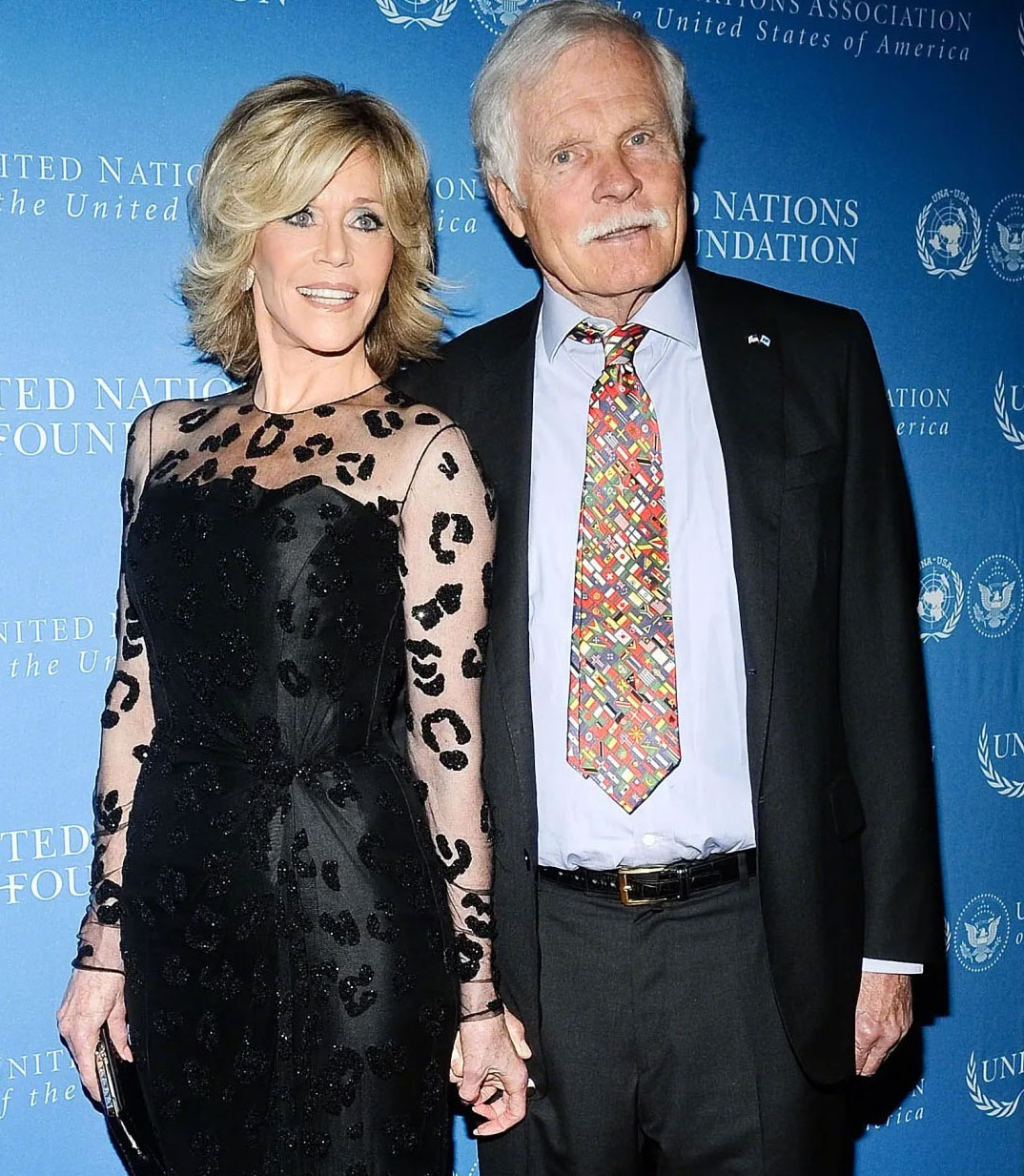
This is how I best remember Ted Turner ... For many people outside the media industry Turner became especially visible through his high-profile marriage to actress and activist Jane Fonda. They married in 1991 and were one of the most talked-about power couples of the 1990s. Fonda brought Hollywood glamour and activism; Turner brought wealth, media influence, and an outspoken Southern charisma. Together they represented a unique intersection of entertainment, politics, environmentalism, and media culture.
Their relationship fascinated the public partly because they seemed so different. Fonda was associated with disciplined activism and reinvention, while Turner had a reputation for being impulsive, competitive, and unconventional. Yet many interviews over the years suggested there was genuine affection and intellectual connection between them. Even after their divorce in 2001, Fonda often spoke warmly about him, describing him as brilliant, complicated, and impossible to forget.
Turner also symbolized a very specific generation of media moguls - people who built empires before the internet reshaped everything. Figures like Turner operated almost mythically - part businessman, part celebrity, part cultural force. Today, media is more fragmented and corporate, but Turner came from a period when one visionary individual really could alter the entire landscape. His death closes another chapter in that era of pioneering television personalities who helped define late 20th-century American culture.
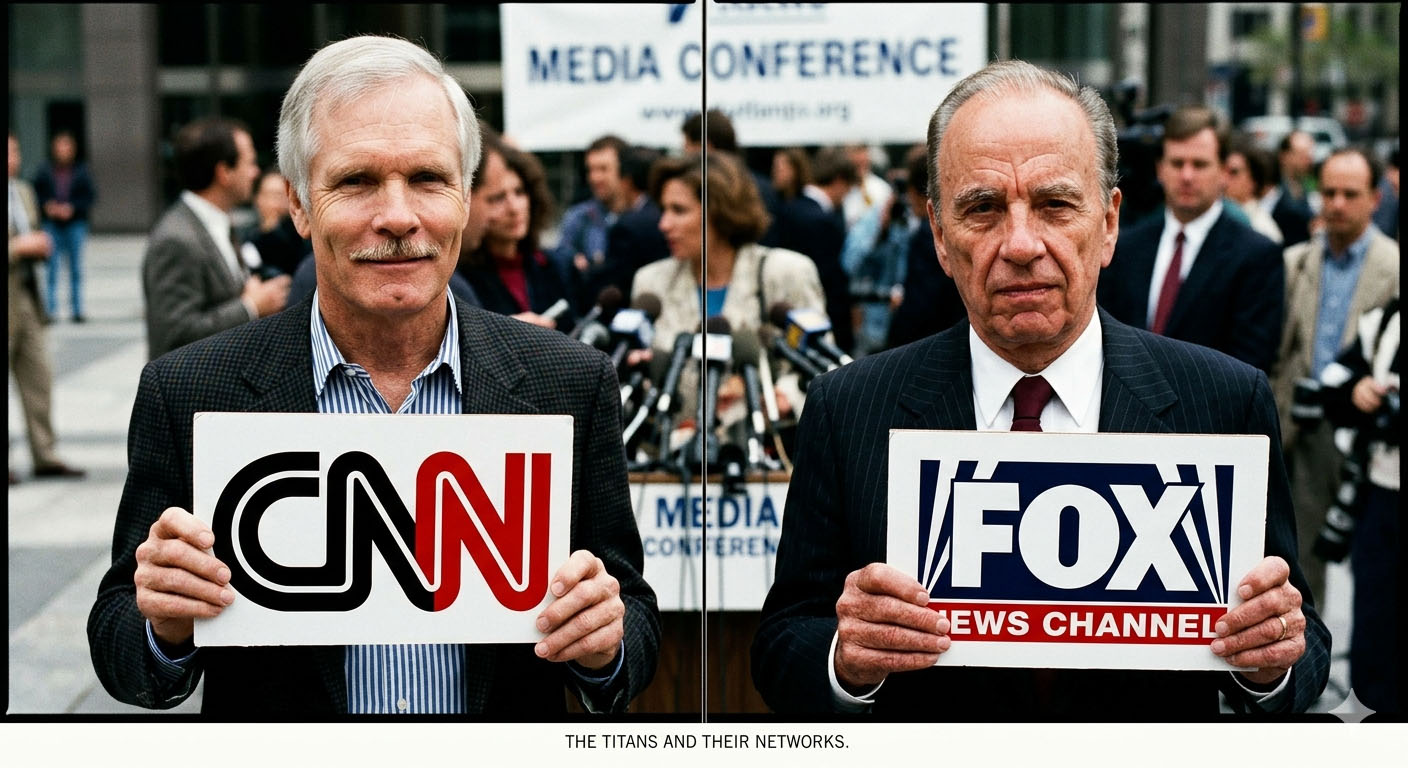
Coming from the same era ... I remember not only Ted Turner but Rupert Murdoch, 95 - an Australian-born American former business magnate, investor, and media mogul - who came from privilege. He inherited this foundational newspaper chain at age 22, providing the substantial capital and industry knowledge used to build his global media empire.
Both men were two of the most influential media moguls of the late 20th and early 21st century - although they built their empires and their public identities in very different ways.
The competition between Ted Turner's CNN and Rupert Murdoch's Fox News wasn't just a business rivalry - it was a battle between two fundamentally different philosophies of what news should be.
Turner created CNN, proving that news could operate 24 hours a day. He also expanded cable television through WTBS, TNT, Cartoon Network, and sports broadcasting. Murdoch built a worldwide empire spanning newspapers, television, book publishing, and political media influence through companies like Fox Corporation and News Corp. Each understood before many others that media was not just entertainment - it was power.
Turner often seemed driven by bold ideas and instinct. He had a gambler's personality: impulsive, charismatic, sometimes controversial, but deeply creative. Launching CNN was considered almost reckless at the time because nobody believed viewers wanted nonstop news. He was unusually visible and colorful for a businessman - outspoken, humorous, environmentally focused, sometimes eccentric, openly emotional at times. His marriage to Jane Fonda also made him part of celebrity culture.
Murdoch was more calculated and strategic. He studied markets, audiences, and politics carefully. Rather than inventing a new format the way Turner did, Murdoch mastered expansion, acquisition, and influence. He knew how to shape public opinion and build loyal audiences. He projected something colder and more guarded - intensely private, politically connected, disciplined corporate-minded, associated with behind-the-scenes influence. He became synonymous with conservative political influence through outlets like Fox News and newspapers in multiple countries. Politicians across the world courted his approval because of the reach of his media platforms.
Turner's legacy is innovation. He changed how television news and cable broadcasting functioned.
Rupert Murdoch is still alive. His legacy is influence in reshaping political media and global news ecosystems. He represents the consolidation of media into political and corporate power.
Turner represented the adventurous side of media expansion.
Both helped define the modern information age, but they left very different cultural fingerprints.
Rupert Murdoch, David Zaslav and More Media Moguls Remember Ted Turner
CNN: Ted Turner the media maverick and philanthropist who founded CNN has died
NYT: Ted Turner, Creator of CNN and the 24-Hour News Cycle, Dies at 87 (Video)