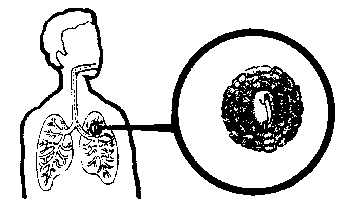
Tuberculosis (TB), also known colloquially as the "white death", or historically as consumption, is a contagious disease usually caused by Mycobacterium tuberculosis (MTB) bacteria. Tuberculosis generally affects the lungs, but it can also affect other parts of the body. Most infections show no symptoms, in which case it is known as latent tuberculosis.
Around 10% of latent infections progress to active disease that, if left untreated, kill about half of those affected. Typical symptoms of active TB are chronic cough with blood-containing mucus, fever, night sweats, and weight loss. Infection of other organs can cause a wide range of symptoms.
Tuberculosis is spread from one person to the next through the air when people who have active TB in their lungs cough, spit, speak, or sneeze. People with latent TB do not spread the disease. Active infection occurs more often in people with HIV/AIDS and in those who smoke.Diagnosis of active TB is based on chest X-rays, as well as microscopic examination and culture of bodily fluids. Diagnosis of latent TB relies on the tuberculin skin test (TST) or blood tests.Read more ...

Tuberculosis Outbreak in Kansas Is Among Largest on Record in US Science Alert - January 29, 2025
After a long and steady decline, tuberculosis (TB) is threatening to return in force in the US. A flurry of new cases in Kansas City appears to be one of the largest outbreaks in the US since the Centers for Disease Control and Prevention (CDC) began keeping records of TB in the 1950s. As per data from the Kansas Department of Health and Environment (KDHE), there were 110 active (transmissible) TB cases and 632 latent (non-transmissible) cases in the state in 2024. While the risk of infection for the general public remains low, health officials are keen to find all the current active and latent cases, and make sure the necessary treatments can be supplied - before the outbreak gets worse.