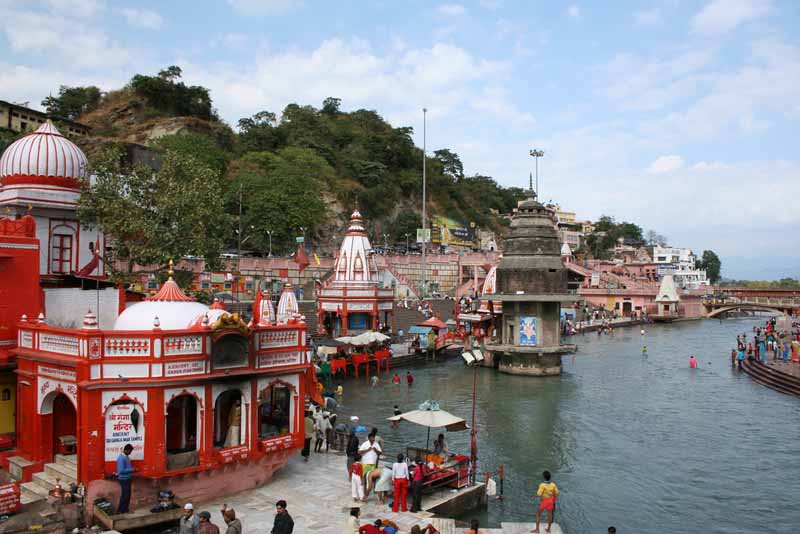
India has many ancient fascinating sacred sites, mostly temples.
India has many ancient fascinating sacred sites, mostly temples.
| 1 | Dwarka; Krishna temple of Dwarkadhish | ||
| 2 | Mt. Girnar; Jain temples and goddess temple of Amba Mata | ||
| 3 | Somnath; Shiva Jyotir linga temple | ||
| 4 | Shatrunajaya; Jain temples | ||
| 5 | Ujjain; Mahakaleswar Jyotir linga Shiva temple | ||
| 6 | Sanchi; Buddhist stupa |
||
| 7 | Omkareshwar; Jyotir linga Shiva temple | ||
| 8 | Nasik; Godavari river Kumbha Mela site | ||
| 9 | Ajanta caves; 29 Buddhist, Hindu, Jain sacred caves | ||
| 10 | Ellora; Buddhist, Hindu, Jain caves and Grineshwar Jyotir linga | ||
| 11 | Mt. Abu; Jain temples | ||
| 12 | Nathdwara; Sri Nathji Krishna temple | ||
| 13 | Pushkar; Brahma temple, Savitri temple on hill, and others | ||
| 14 | Ajmer; Shrine of Mu’in al-din Chishti | ||
| 15 | Ambaji shrine (between Abu road and Palanpur) | ||
| 16 | Amritsar; Hari Mandir |
||
| 17 | Govindval; Sikh temple | ||
| 18 | Anandpur Sahib Sikh temple | ||
| 19 | Vaishno Devi; cave of Kali, Lakshmi and Saraswati | ||
| 20 | Amarnath; Shiva cave | ||
| 21 | Leh; Buddhist monasteries | ||
| 22 | Jwalamukhi; Shakti Pitha shrine | ||
| 23 | Kurukshetra; Brahma Sarovara, Sannihit Sarovara, many temples | ||
| 24 | Haridwar; Hari-ki-Pairi Ghat, numerous temples | ||
| 25 | Rishikesh; Laksman Jhula, Neela Kantha Mahadeva temple | ||
| 26 | Devprayag; Raghunath Vishnu temple | ||
| 27 | Karnaprayag; juncture of Alakananda and Pindar Ganga | ||
| 28 | Joshimath; Vasudeva temple, Sankaracharya Math | ||
| 29 | Hemkund; Sikh and Laksman temples at Lake Hemkund | ||
| 30 | Badrinath; Badrinath temple and nearby five Badri temples | ||
| 31 | Kedarnath; Jyotir Linga Shiva temple | ||
| 32 | Gangotri; Goddess Ganga temple | ||
| 33 | Yamnotri; source of holy Yamuna river, Shani Prayag temple | ||
| 34 | Almora; temples of Kasar Devi, Jageshwar, Baijnath, Dwarahat, Bageshwar | ||
| 35 | Mt. Nanda Devi; sacred mountain | ||
| 36 | Vrindavan; numerous beautiful Krishna temples | ||
| 37 | Allahabad; Sangam Bath river site |
||
| 38 | Varanasi / Banaras; numerous temples, ghats and pilgrimage circuits | ||
| 39 | Saranath; Buddhist holy place |
||
| 40 | Kushinagar; Holy site where Buddha passed away | ||
| 41 | Gaya; Vishnupada temple | ||
| 42 | Bodh Gaya; Site where Buddha attained enlightenment | ||
| 43 | Rajagriha / Rajgir; Vulture Peak Buddhist site | ||
| 44 | Baidyanath; Shiva Jyotir linga | ||
| 45 | Mt. Parsanath; Jain temple | ||
| 46 | Tarakeswar; Tarakanath temple | ||
| 47 | Navadip; Dhameswara Shri Chaitanya temple, Devananda Gaudiya Math | ||
| 48 | Tarapith; Shakti Pitha temple | ||
| 49 | Calcutta; Kalighat temple and Dakshineshwar | ||
| 50 | Gauhati; Kamakhya Shakti temple | ||
| 51 | Puri; Jaganath temple | ||
| 52 | Srisailam; Jyotir linga and Shakti Pitha temples | ||
| 53 | Tirupati; Govindaraja and Padmavathi temples | ||
| 54 | Tiruttani; Subrahmanya hill top temple | ||
| 55 | Kanchipuram; numerous pilgrimage temples |
||
| 56 | Tiruvanamalai; Mt. Arunachala and Tiruvanamalai temple | ||
| 57 | Chidambaram; Sabhanayaka Nataraja Shiva temple | ||
| 58 | Swamimalai temple (near Kumbakonam) | ||
| 59 | Srirangam; Sri Ranganathaswami Vishnu temple | ||
| 60 | Palani / Palna; temple of Lord Muruga | ||
| 61 | Madurai area; temples of Minakshi, Tirupparangunram and Paramthirsolai | ||
| 62 | Rameshvaram; Sri Ramananthaswami temple, Gandhamadhana Parvatham Hanuman temple | ||
| 63 | Tiruchendur; Subrahmanya temple of Lord Muruga | ||
| 64 | Kanya Kumari; Kumari Amman goddess temple | ||
| 65 | Trivandrum; Sri Padmanabhaswami Vishnu temple | ||
| 66 | Sabarimala; shrine of Ayappa | ||
| 67 | Ettumanur; Shiva temple | ||
| 68 | Mysore; shrine of Baba Qalander Shah | ||
| 69 | Sravanabelagola; Gomateswara Jain shrine | ||
| 70 | Sringeri; Sharada Devi and Vidyasankara temples | ||
| 71 | Gokarna; Mahaballeswara Shiva temple and Ganapati Ganesh temple | ||
| 72 | Pandharpur; Vitthala Krishna temple | ||
| 73 | Bhimshankar; Shiva Jyotir linga | ||
| 74 | Guruvayur; Krishna temple | ||
| 75 | Deoghar; Vaidyanath Shiva Jyotir linga | ||
| 76 | Khajuraho; Jain and Hindu temples | ||
| 77 | New Delhi; Islamic shrines of Kwaja Nizamuddin Aulia, Khwaja Bakhtiyar Kaki, Kwaja Naseerudin Charagh-e Dilli | ||
| 78 | Sirhind; Islamic shrine of Sheikh Mujaddid Alfe Thani | ||
| 79 | Gulbarga; Islamic shrine of Khwaja Gesudaraz | ||
| 80 | Udipi; Krishna temple | ||
| 81 | Kukuteshvara; Shiva temple | ||
| 82 | Kolhapur; temple of Lakshmi/Amba Bai | ||
| 83 | Gangasagarar / Sagar Island; Kapil Muni temple | ||
| 84 | Amarkantak; hill top temples and source of Narmada river | ||
| 85 | Patan; Jain temples | ||
| 86 | Vadanagar; temple of Hatkeshvara Shiva | ||
| 87 | Chamba; Lakshmi Narayan temple | ||
| 89 | Nagor; Dargh Sharif temple | ||