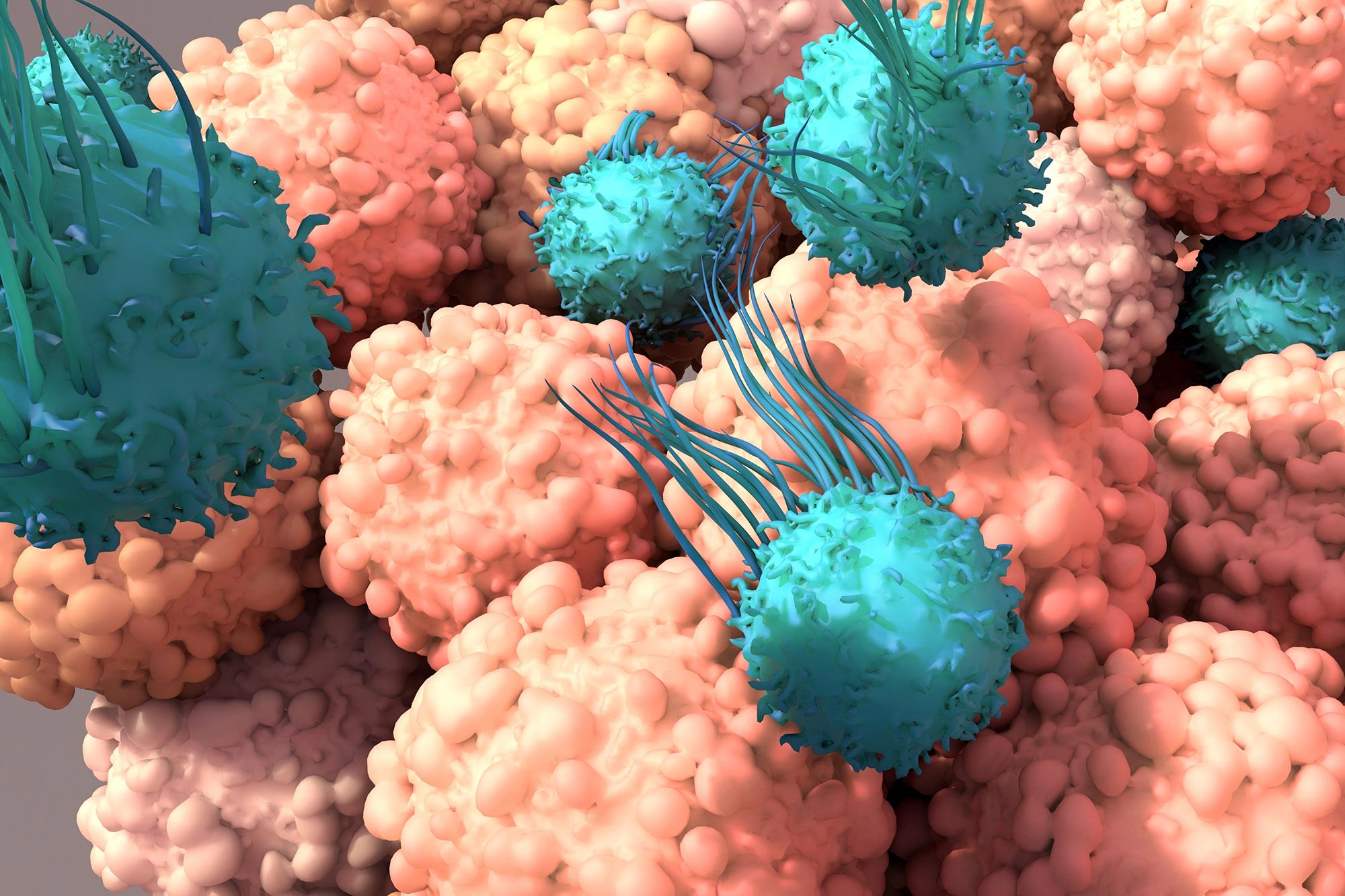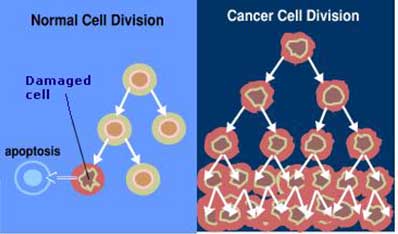
Cancer, also known as a malignant tumor or malignant neoplasm, is a group of diseases involving abnormal cell growth with the potential to invade or spread to other parts of the body. Not all tumors are cancerous; benign tumors do not spread to other parts of the body.Possible signs and symptoms include: a new lump, abnormal bleeding, a prolonged cough, unexplained weight loss, and a change in bowel movements among others. While these symptoms may indicate cancer, they may also occur due to other issues. There are over 100 different known cancers that affect humans. Read more
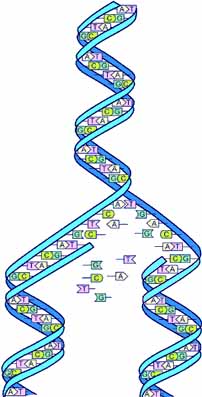
We all have the potential to get cancer based on our genetic codes - activated by one's preprogrammed experiences - as if a time capsule. The area of the body affected by the cancer is a direct reflection of an emotional problem. For example someone challenged by romantic love will often develop cancer in the chest area. Most people believe in Free Will, but if that were the case, how much different would life be?
Scientists Find a Way To Keep Cancer-Fighting T Cells From Burning Out SciTech Daily - July 28, 2026
Chemo-Free Technique Destroys 99% of Cancer Cells in The Lab Science Alert - July 6, 2026

The technique involves using aminocyanine molecules - synthetic dyes already widely used in medical imaging - and stimulating them with near-infrared light. This causes them to vibrate in sync at around 40 trillion oscillations per second, fast enough to physically tear apart the membrane of a cancer cell. The procedure can kill cancer cells within minutes, even at low doses.
Scientists Just Captured Killer T Cells in Action Inside Tumors Science Daily - May 8, 2026

Cytotoxic T lymphocytes serve as the immune system’s specialized 'killer' cells, targeting and eliminating infected or cancerous cells with remarkable accuracy. Their effectiveness depends on a tightly controlled contact point known as the immune synapse, where they release toxic molecules that destroy the target while leaving nearby healthy cells unharmed. Until recently, scientists could not clearly observe how these structures are organized.
Personalized Vaccine For 'Deadliest Major Cancer' Keeps Patients Alive 6 Years Later Science Alert - April 23, 2026

New treatment options are in the pipeline. One of the most promising therapeutic candidates is a personalized mRNA vaccine. The medicine is still in clinical trials, but as of this year, researchers say seven patients with pancreatic cancer whose immune systems mounted a response to the vaccine they received are alive and well.
Goodbye colonoscopy? New stool test detects 90% of colorectal cancers Science Daily - April 10, 2026
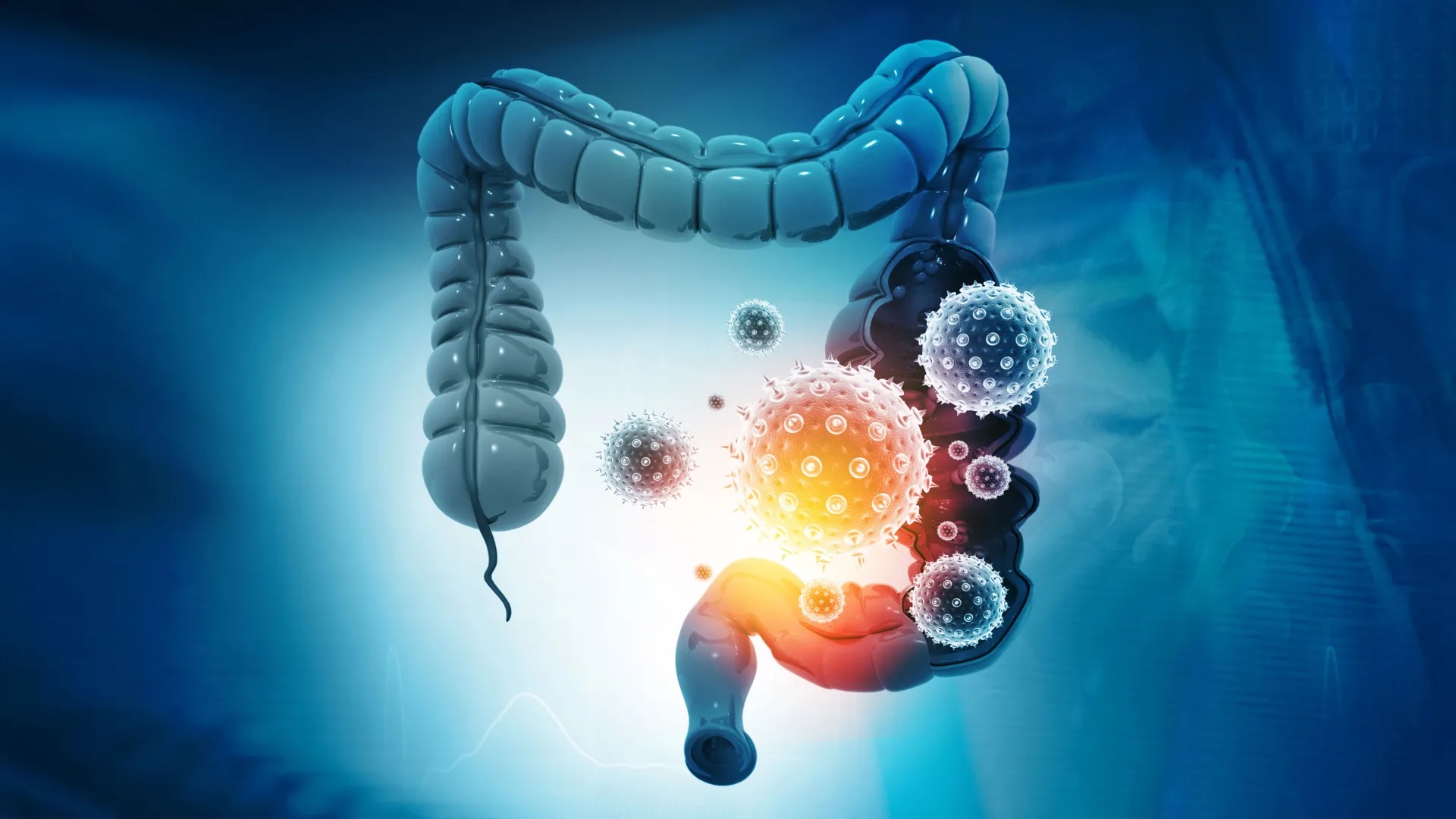
A breakthrough in microbiome research could change how colorectal cancer is detected - no colonoscopy required. Scientists used AI to map gut bacteria at an unprecedented level of detail, revealing subtle microbial patterns linked to cancer. By analyzing simple stool samples, their method identified 90% of cases, rivaling one of medicine’s most trusted diagnostic tools.
Scientists Discover Hidden Virus Linked to Colorectal Cancer SciTech Daily - April 10, 2026
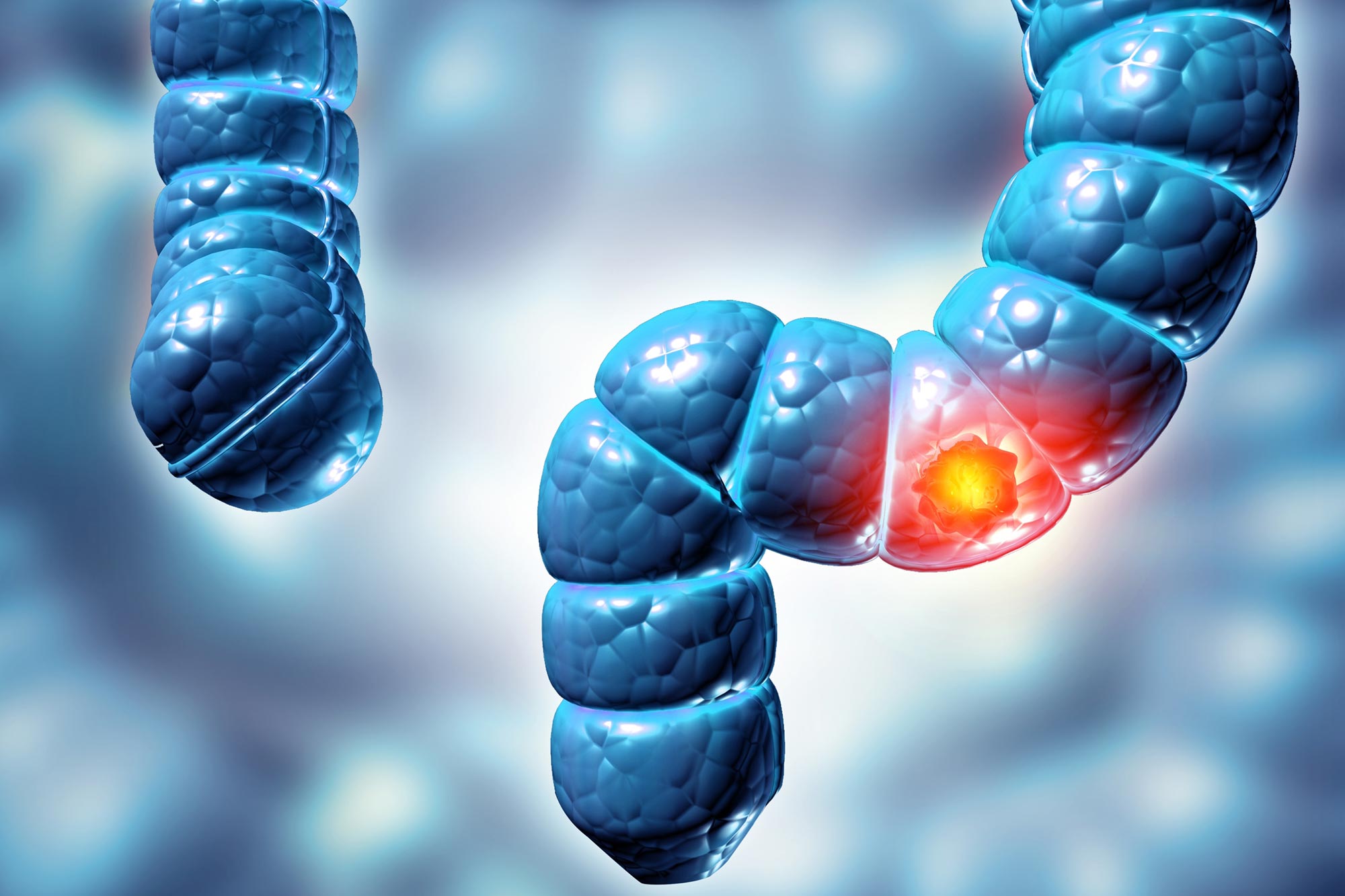
A new study suggests that the key to understanding colorectal cancer may lie not only in gut bacteria, but in the viruses hidden within them. By tracing an unusual viral pattern across patient samples from multiple countries, the researchers reveal a subtle biological signal that could have implications for future screening
This Experimental Cancer Drug Made Tumors Vanish, Without the Dangerous Side Effects SciTech Daily - December 30, 2025
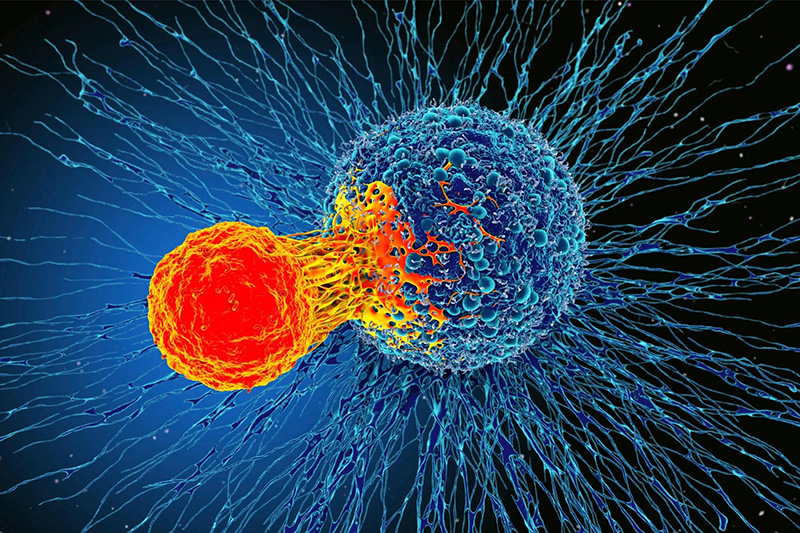
For two decades, cancer therapies known as CD40 agonist antibodies have raised hopes while repeatedly falling short. In laboratory animals, these drugs strongly stimulated immune attacks on tumors, but results in human trials were far less encouraging. Patients often saw little benefit and experienced serious side effects, including widespread inflammation, reduced platelet levels, and liver damage, even when the drugs were given at low doses.
Wegovy and Ozempic tied to dramatically lower cancer deaths Science Daily - November 12, 2025

GLP-1 drugs such as Ozempic and Wegovy may extend the lives of colon cancer patients. Patients on the medications had less than half the mortality rate of non-users. Researchers suspect the drugs' anti-inflammatory and metabolic effects contribute to improved outcomes. They’re now calling for clinical trials to test whether these findings reflect a true anti-cancer mechanism.
Astatine-211, one of the world's rarest and most unstable elements, is emerging as a 'Goldilocks' isotope for targeted cancer therapy thanks to its powerful yet precise alpha radiation Science Daily - November 12, 2025
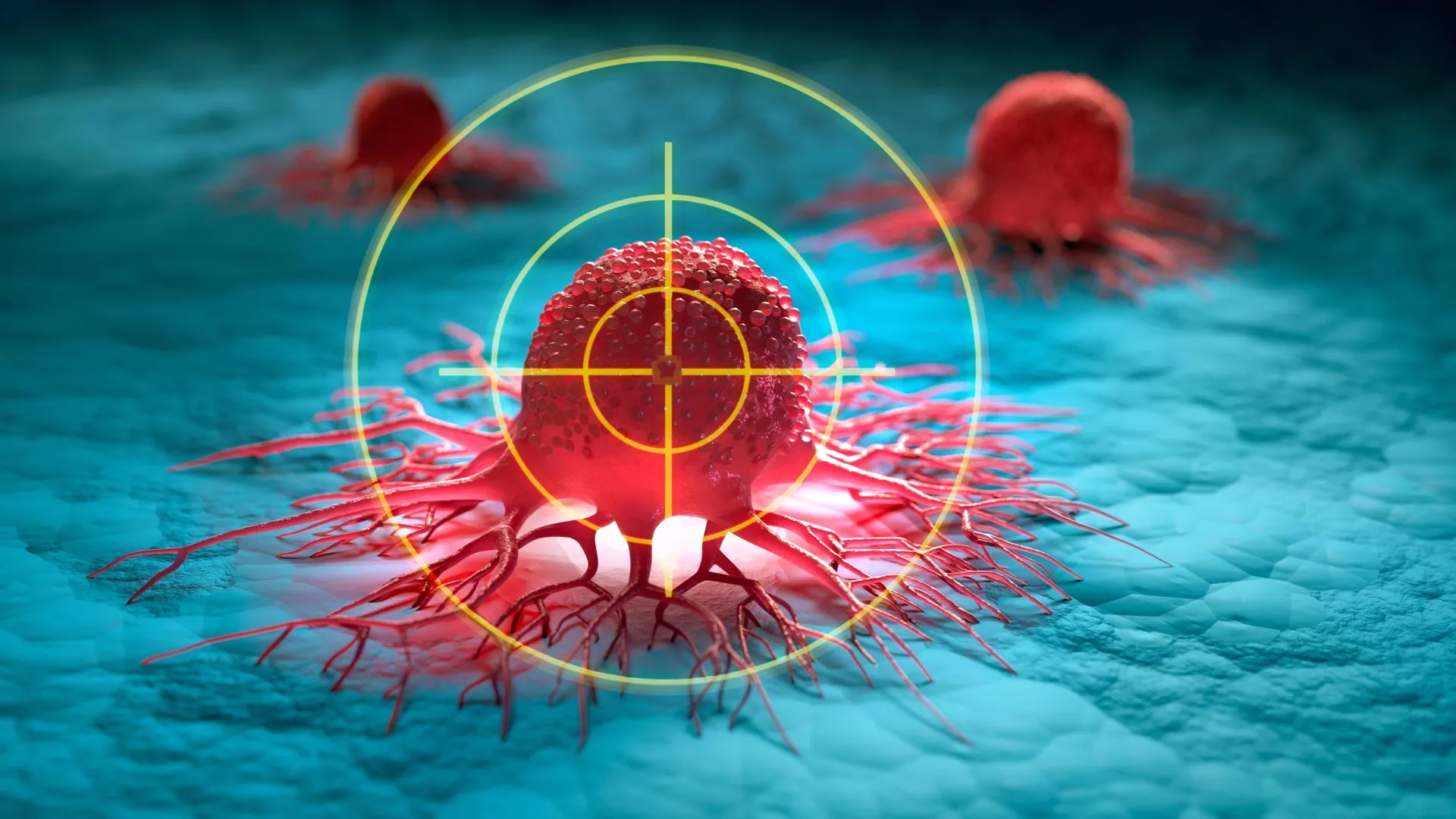
Texas A&M scientists have unlocked new potential for astatine-211, a rare and short-lived element, as a highly precise cancer-fighting isotope. Its alpha emissions destroy tumor cells while sparing healthy tissue, making it ideal for targeted therapy.
New Breakthrough Treatment Safely Kills Cancer Cells With Light Science Alert - October 25, 2025
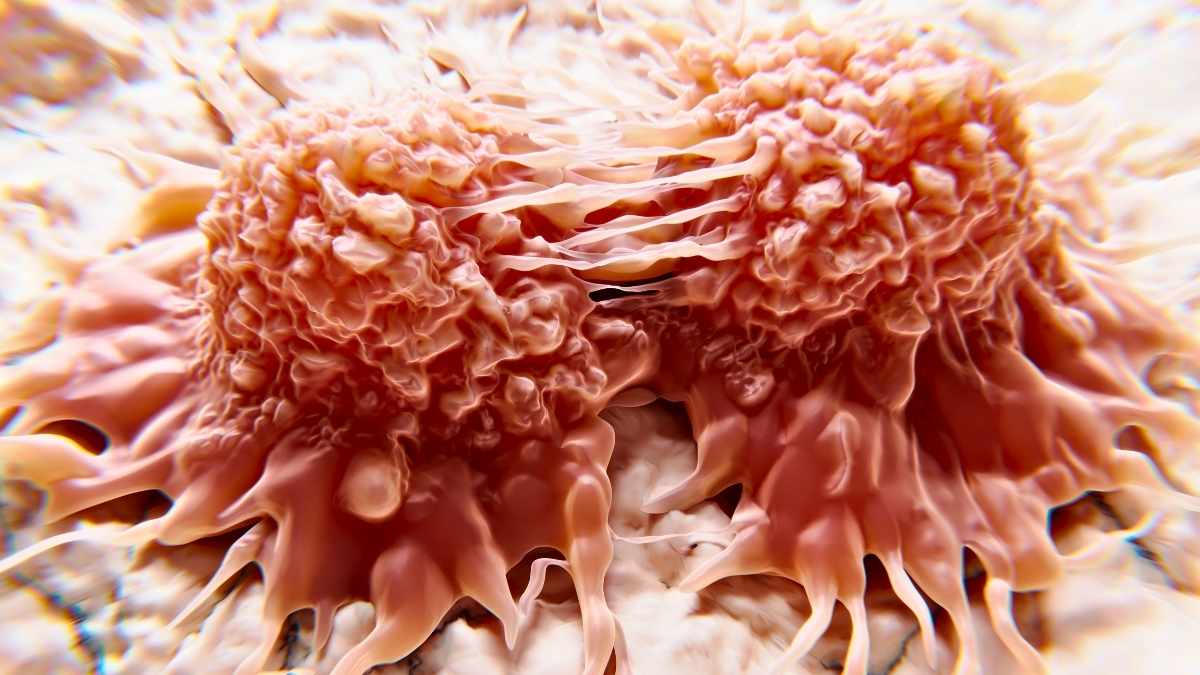
US researchers have introduced a promising new light-based treatment that could transform the way cancer is treated. Their discovery combines near-infrared LED light with nanoscopic flakes of tin oxide, known as SnOx nanoflakes, to kill cancer cells while leaving healthy ones unharmed.s
This new blood test can catch cancer 10 years early. A new ultra-sensitive blood test may reveal HPV-related head and neck cancers up to a decade before they strike Science Daily - October 14, 2025
HPV-DeepSeek can spot head and neck cancers caused by HPV years before symptoms appear by detecting viral DNA fragments in blood. The test’s accuracy could revolutionize early cancer screening and treatment strategies.
MIT and Harvard Build 'Invisible' Immune Cells That Obliterate Cancer SciTech Daily - October 8, 2025

MIT and Harvard scientists have created engineered CAR-NK cells that can hide from the immune system and more effectively destroy cancer. The cells are designed to suppress immune-rejection signals and enhance tumor-killing power. Tested in humanized mice, they wiped out cancer while avoiding dangerous immune reactions.
Simple blood tests could be the future of cancer diagnosis Live Science - March 21, 2025

Scientists have developed blood tests for several cancers, including those of the breast, pancreas and stomach. Some blood tests even detect multiple types of cancer. If these liquid biopsies can be rolled out widely, they could help detect cancer earlier, more easily, or with fewer invasive measures - which, in turn, could lead to earlier detection and fewer cancer deaths.
Newly Identified Molecule Can Heal Gut Damage And Suppress Cancer

Intestines suffer a lot of wear and tear in their daily service to digestion, requiring constant renewal of their lining. This growth of the gut's wall hints at underlying pathways distinguishing beneficial regeneration from the rampant reproduction of a tumor.
Researchers Develop Groundbreaking Technology To Revert Cancer Cells Into Normal Cells PotentiallyRevolutionizing Future Treatments IFL Science - December 26, 2024

Cancer reversion, which regresses cancer cells into their differentiated and non-malignant state, has been proposed as a potentially new therapeutic approach for some time. Cancer cells are often undifferentiated, which means they lose the specialized characteristics of normal cells.
Scientists Destroy 99% of Cancer Cells in Lab Using Vibrating Molecules Science Alert - December 25, 2024

Scientists have discovered a remarkable way to destroy cancer cells. A study published last year found stimulating aminocyanine molecules with near-infrared light caused them to vibrate in sync, enough to break apart the membranes of cancer cells. Researchers said their approach is a marked improvement over another kind of cancer-killing molecular machine previously developed, called Feringa-type motors, which could also break the structures of problematic cells.
Study examines trends in esophageal cancer disparities over time Medical Express - August 1, 2024

New blood test detects ovarian cancer years before conventional methods Live Science - June 22, 2024
Immune signatures in the blood may flag if someone has ovarian cancer up to four years earlier than conventional methods used to diagnose the disease, new research suggests. Ovarian cancer is one of the deadliest cancers, with a five-year survival rate of less than 51%. Around 70% of ovarian cancer patients have high-grade ovarian cancer (HGOC), in which cancerous cells look particularly abnormal and are more likely to grow and spread than low-grade cancers.
Scientists Destroy 99% of Cancer Cells in The Lab With Vibrating Molecules Science Alert - April 5, 2024

Stimulating aminocyanine molecules with near-infrared light caused them to vibrate in sync, enough to break apart the membranes of cancer cells.
Breakthrough Therapy Obliterates Deadly Brain Tumor in Days Science Alert - March 15, 2024
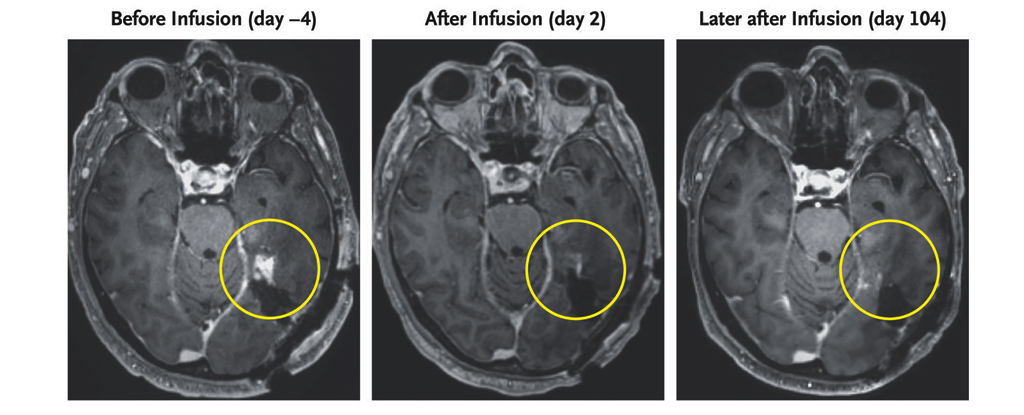
Brain scans of a 72-year-old man diagnosed with a highly aggressive form of cancer known as a glioblastoma have revealed a remarkable regression in his tumor's size within days of receiving an infusion of an innovative new treatment.
New approach to robotic mastectomy can preserve full breast and nipple sensation Medical Express - January 23, 2024
Rather than making incisions in the underwire area below the breasts, we use a single-port robot to enter the breast from the armpit to remove tissue and reconstruct the breast, avoiding the nerve damage that results in desensitization.
Depression is the emotional cause of cancer...
New Antidepressant Could Restore The Body's Ability to Fight Cancer Science Alert - January 23, 2024
Scientists in China have demonstrated a new kind of antidepressant could also have the potential to restore the body's ability to fight some types of cancer.
Scientists Destroy 99% of Cancer Cells in The Lab Using Vibrating Molecules Science Alert - December 26, 2023

Scientists have discovered a new way to destroy cancer cells. Stimulating aminocyanine molecules with near-infrared light caused them to vibrate in sync, enough to break apart the membranes of cancer cells.
Scientists Find 'Kill Switch' That Activates Cancer Cell Death in The Lab
Scientists have figured out a way to detonate the 'doors' that lead to the heart of cancerous tumors, blowing them wide open for drug treatments
Cancer goes with depression and anxiety both of which are alleviated by physical activity and should be monitored based on a person's health, age, and size.
Study Finds That We Can Reduce Our Cancer Risk Thanks to Vigorous Everyday Activities Science Alert - July 30, 2023
Many people know exercise reduces the risk of cancers, including liver, lung, breast, and kidney. But structured exercise is time-consuming, requires significant commitment, and often financial outlay or travel to a gym. These practicalities can make it infeasible for most adults. There is very little research on the potential of incidental physical activity for reducing the risk of cancer. Incidental activities can include doing errands on foot, work-related activity, or housework as part of daily routines. As such, they do not require an extra time commitment, special equipment, or any particular practical arrangements.
AI Demonstrates Superior Performance in Predicting Breast Cancer SciTech Daily - June 8, 2023
AI algorithms outperformed traditional clinical risk models in a large-scale study, predicting five-year breast cancer risk more accurately. These models use mammograms as the single data source, offering potential advantages in individualizing patient care and enhancing prediction efficiency.
A Woman Had Cancer 12 Times by Age 36. Her Genes Showed Something Never Seen Before Science Alert - November 4, 2022
When Spanish scientists came across a strange case of a woman who had experienced 12 different types of tumor before the age of 36, they decided to dig a little deeper to find out why she was so susceptible to cancer. The researchers discovered something strange; this woman had a one-of-a-kind mutation that made her more prone to cancers. She had a mutation in both copies of the MAD1L1 gene, which is unheard of in humans.
Study identifies receptor that could alleviate need for chemo, radiation pre-T cell therapy Medical Express - June 9, 2022
Before a patient can undergo T cell therapy designed to target cancerous tumors, the patient's entire immune system must be destroyed with chemotherapy or radiation. The toxic side effects are well known, including nausea, extreme fatigue and hair loss. Now a research team, led by UCLA's Anusha Kalbasi, MD, in collaboration with scientists from Stanford and the University of Pennsylvania, has shown that a synthetic IL-9 receptor allows those cancer-fighting T cells to do their work without the need for chemo or radiation. T cells engineered with the synthetic IL-9 receptor, designed in the laboratory of Christopher Garcia, Ph.D., at Stanford, were potent against tumors in mice.
Scientists develop a new platform technology for personalized cancer therapy Medical Express - February 22, 2022
Killing cancer cells without affecting surrounding normal cells is the most desirable approach for targeted cancer therapy. However, it cannot be easily achieved due to the similarities in the properties between normal and cancer cells. Researchers at the IBS developed an innovative approach called CINDELA (Cancer-specific INDEL Attacker), which attacks cancer-specific mutations and causes multiple DNA double-strand breaks to specifically induce cancer cell death. It is hoped that CINDELA can become a potential approach for personalized cancer treatments in most tumors.
Cervical Cancer Cases Dropped by Almost 90% Thanks to HPV Vaccine, Real-World Data Show Science Alert - November 5, 2021
Cervical cancer cases plummeted among British women who received a vaccination against the human papillomavirus (HPV). In comparing cervical cancer and precancer rates before and after an HPV immunization program was introduced in England in 2008, the researchers found a "substantial reduction", especially among the youngest women to have received the jab
A detailed analysis of scientific research has revealed that nearly 9 in 10 human genes have been mentioned in at least one cancer-related study - and those that haven't probably will be in the years to come Science Alert - November 1, 2021
That makes looking for therapeutic targets very difficult for experts: Research into almost any human gene and its relationship to cancer can be justified based on previous studies, which can slow down the search for genuine genetic causes of the disease, as well as genetic causes involved in other health issues.
Scientists help immune system find hidden cancer cells Medical Express - October 14, 2019
Cancer cells are masters at avoiding detection, but a new system developed by Yale scientists can make them stand out from the crowd and help the immune system spot and eliminate tumors that other forms of immunotherapies might miss. The new system reduced or eliminated melanoma and triple-negative breast and pancreatic tumors in mice, even those located far from the primary tumor source.
It's all about depression
Broken heart syndrome linked with cancer Medical Express - July 17, 2019
Broken heart syndrome, also called takotsubo syndrome, occurs when the heart's main pumping chamber temporarily enlarges and doesn't pump well. Although the syndrome may feel like a heart attack, with chest pain and shortness of breath, there is no heart muscle damage and no blockage in the coronary arteries feeding the heart. Broken heart syndrome can be triggered by emotional or physical stress, but this international study of patients from 26 centers provides the strongest association yet between the syndrome and cancer.
Scientists Develop New Laser That Can Find and Destroy Cancer Cells in the Blood Live Science - June 15, 2019
Cancer cells can spread to other parts of the body through the blood. And now, researchers have developed a new kind of laser that can find and zap those tumor cells from the outside of the skin. Though it may still be a ways away from becoming a commercial diagnostic tool, the laser is up to 1,000 times more sensitive than current methods used to detect tumor cells in blood
Researchers develop urine test for bladder cancer Medical Express - January 28, 2019
The test involves looking for fragments of cancer DNA in urine samples. "This study describes a new diagnostic approach to bladder cancer focused on analysis of urine samples
A new approach to detecting cancer earlier from blood tests Science Daily - November 15, 2018
Cancer scientists led by principal investigator Dr. Daniel De Carvalho at Princess Margaret Cancer Centre have combined "liquid biopsy," epigenetic alterations and machine learning to develop a blood test to detect and classify cancer at its earliest stages. The findings describe not only a way to detect cancer, but hold promise of being able to find it earlier when it is more easily treated and long before symptoms ever appear.
Researchers measure gene activity in single cells PhysOrg - March 17, 2018
For biologists, a single cell is a world of its own: It can form a harmonious part of a tissue, or go rogue and take on a diseased state, like cancer. But biologists have long struggled to identify and track the many different types of cells hiding within tissues. Researchers at the have developed a new method to classify and track the multitude of cells in a tissue sample. The team reports that this new approach known as SPLiT-seq - reliably tracks gene activity in a tissue down to the level of single cells.
Immune system 'double agent' could be new ally in cancer fight Medical Express - March 16, 2018
Scientists have discovered that an enzyme called TAK1 functions like a "double agent" in the innate immune response, serving as an unexpected regulator of inflammation and cell death. The findings highlight TAK1 inhibition as a potential cancer treatment.
Hope for millions after life-saving AI is revealed that can diagnose prostate cancer as accurately as a doctor Daily Mail - March 16, 2018
Prostate cancer can be diagnosed by new AI just as accurately as any doctor potentially saving millions of lives, new research suggests.
Chinese scientists and doctors have developed an artificial intelligence system which they say can accurately diagnose and identify cancerous samples. Experts say it could streamline and eliminate variation in cancer diagnosis and will be particularly useful in areas where there is a lack of trained pathologists. It could also lead to prostate cancer diagnosis being automated in the future.
New Blood Test Can Detect 8 Types of Cancer Live Science - January 22, 2018
Researchers have developed a new blood test that can detect eight common types of cancer, including the notoriously elusive liver and pancreatic cancers. Some day, doctors may be able to use this method to spot cancers in their early stages - before the onset of symptoms - thus improving patients' chances of successful treatment and survival. The test, called CancerSEEK, looks for a number of compounds in the blood that are thought to be early signs of cancer. These include 16 different cancer "driver genes" - genes that are associated with tumors - and eight proteins, according to the study describing the test