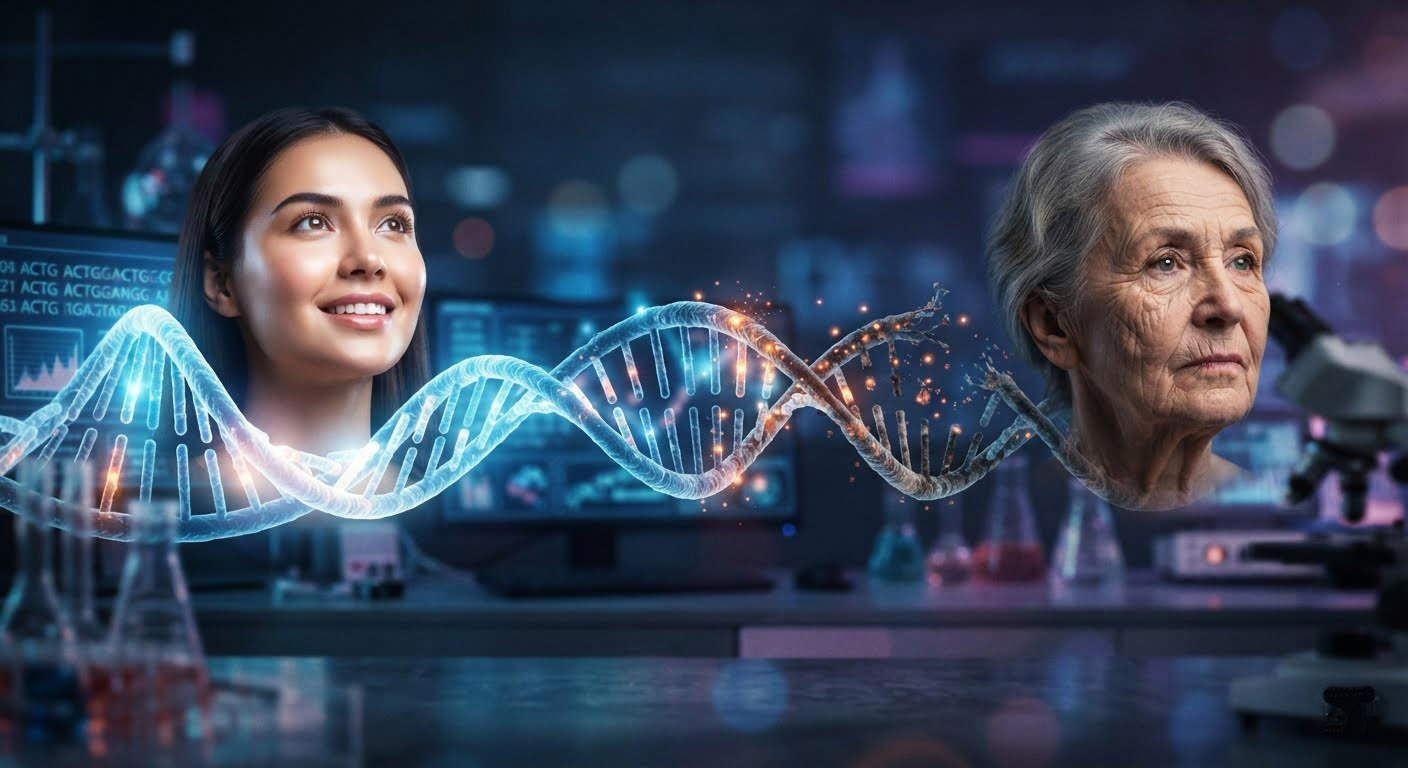
Aging is the accumulation of changes in a person over time. Aging in humans refers to a multidimensional process of physical, psychological, and social change. Some dimensions of aging grow and expand over time, while others decline. Reaction time, for example, may slow with age, while knowledge of world events and wisdom may expand. Research shows that even late in life, potential exists for physical, mental, and social growth and development. Aging is an important part of all human societies reflecting the biological changes that occur, but also reflecting cultural and societal conventions. Roughly 100,000 people worldwide die each day of age-related causes.
Age is measured chronologically, and a person's birthday is often an important event. However the term "aging" is somewhat ambiguous. Distinctions may be made between "universal aging" (age changes that all people share) and "probabilistic aging" (age changes that may happen to some, but not all people as they grow older including diseases such as type two diabetes).
Chronological aging may also be distinguished from "social aging" (cultural age-expectations of how people should act as they grow older) and "biological aging" (an organism's physical state as it ages). There is also a distinction between "proximal aging" (age-based effects that come about because of factors in the recent past) and "distal aging" (age-based differences that can be traced back to a cause early in person's life, such as childhood poliomyelitis)
Differences are sometimes made between populations of elderly people. Divisions are sometimes made between the young old (65-74), the middle old (75-84) and the oldest old (85+). However problematic this is, chronological age does not correlate perfectly with functional age, i.e. two people may be of the same age, but differ in their mental and physical capacities. Each nation, government and non-government organization has different ways of classifying age.
Population aging is the increase in the number and proportion of older people in society. Population aging has three possible causes: migration, longer life expectancy (decreased death rate), and decreased birth rate. Aging has a significant impact on society. Young people tend to commit most crimes, they are more likely to push for political and social change, to develop and adopt new technologies, and to need education.
Older people have different requirements from society and government as opposed to young people, and frequently differing values as well. Older people are also far more likely to vote, and in many countries the young are forbidden from voting. Thus, the aged have comparatively more political influence.
Recent scientific successes in rejuvenation and extending a lifespan of model animals (mice-2.5 times, yeast -15 times, nematodes-10 times) and discovery of variety of species (including humans of advanced ages) having negligible senescence give hope to achieve negligible senescence (cancel aging) for younger humans, reverse aging or at least significantly delay it.
In spite of the developments mentioned above and the fact that aging is admitted to be the major cause of mortality in developed worlds the anti-aging and life extension research is greatly underfunded. Although human life is declared to be a basic value in many societies there is still no strong awareness and thus demand of the society to cancel human aging. The body still technically ages after death as it still gets older from birth.
In biology, senescence is the state or process of aging. Cellular senescence is a phenomenon where isolated cells demonstrate a limited ability to divide in culture (the Hayflick Limit, discovered by Leonard Hayflick in 1961), while organismal senescence is the aging of organisms.
After a period of near perfect renewal (in humans, between 20 and 35 years of age), organismal senescence is characterized by the declining ability to respond to stress, increasing homeostatic imbalance and increased risk of disease. This currently irreversible series of changes inevitably ends in death. Some researchers (specifically bio-gerontologists) are treating aging as a disease. As genes that have an effect on aging are discovered, aging is increasingly being regarded in a similar fashion to other genetically influenced "conditions", potentially treatable. Read more ...
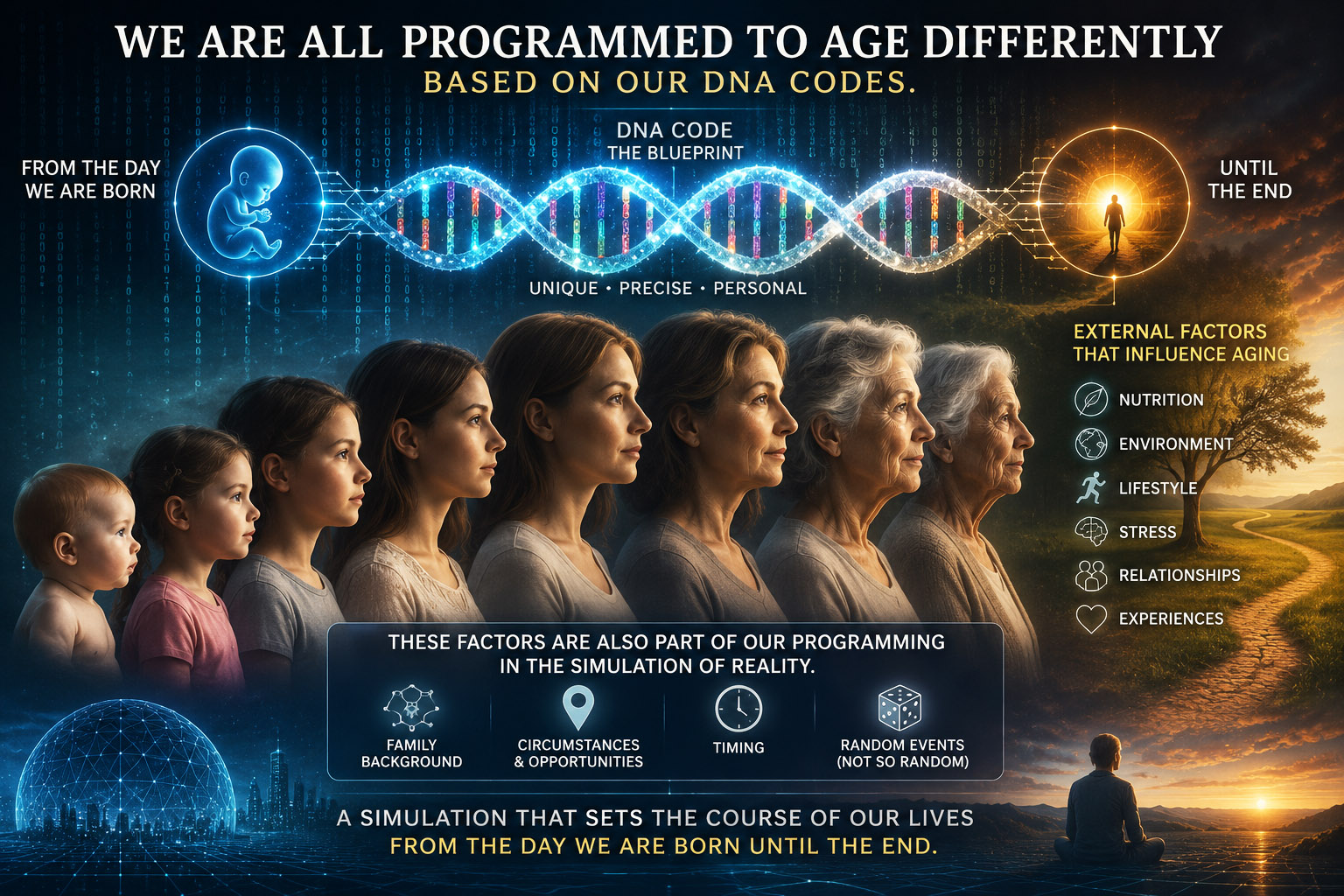
We are all programmed to age differently based on our DNA codes. Though there are external factors that influence aging - they too are part of one's programming in the simulation of reality which sets the course of our lives from the day we are born until the end.
Longevity medicine has gone peptide-crazy Medical Express - July 28, 2026

If there's a word that captures both the great promise and the persistent uncertainty of longevity medicine, it's peptides. Proponents say peptides offer anti-aging benefits and miracle cures for a variety of ailments, while scientists warn that the claims outpace the evidence. They say vast improvements in drug delivery technology would need to be made before much of their potential can be harnessed. Peptides are small chains of amino acids that make up proteins in the body, said Mansoor Amiji, university distinguished professor of pharmaceutical sciences and chemical engineering. They bind to receptors on cells and trigger a range of biological effects, from tissue regeneration to hormone production - making them an increasingly important class of drugs.
Researchers Finally Solve a Decades-Old Mystery About Cellular Aging SciTech Daily - July 10, 2026
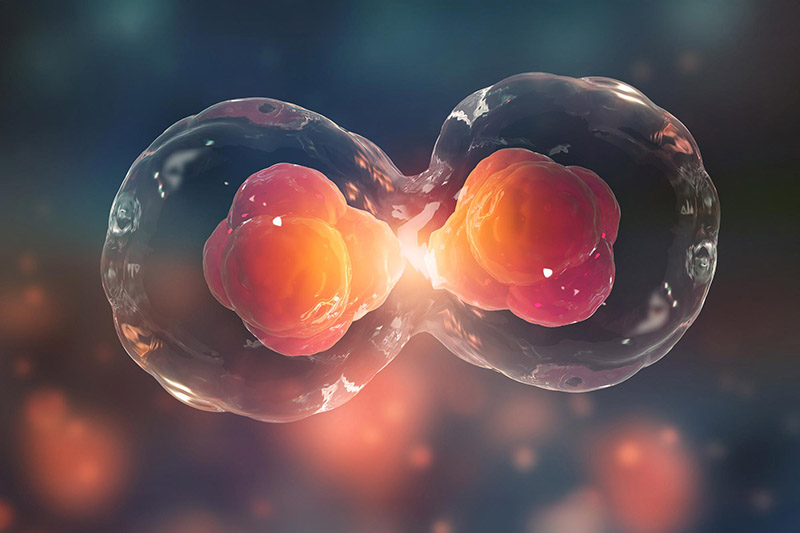
A new study identifies the molecular switch that determines when aging cells permanently stop dividing.
Older brains work harder to stay upright, with nearly 50% longer delay Medical Express - June 3, 2026

Aging is known to degrade sensory systems, posing a major challenge to balance control and resulting in an increased risk of falls. Despite its importance, though, the role of the brain has only been explored indirectly, for example, by asking people to perform mental tasks while walking or standing.
Why Some People Reach 100: New Study Reveals Key Biological Differences SciTech Daily - April 10, 2026
Centenarians appear to age differently at the molecular level, maintaining unexpectedly “younger” biological signatures in key systems.
Scientists found a protein that drives brain aging - and how to stop it Science Daily - April 5, 2026
Scientists have uncovered a powerful new clue in the mystery of brain aging: a single protein called FTL1. In aging mice, higher levels of this protein weakened connections between brain cells and led to memory decline. But when researchers reduced FTL1, something remarkable happened - the brain began to recover, rebuilding lost connections and restoring memory performance.
Scientists Identify Molecular Switch That Lets Exercise Reverse Muscle Aging SciTech Daily - March 25, 2026

Researchers have identified a molecular mechanism that helps explain why exercise remains so effective in maintaining muscle health with age.
Blood of Exceptionally Long-Lived People Reveals Crucial Differences Science Alert - December 30, 2025
DNA Study of 117-Year-Old Woman Reveals Clues to Long Life Science Alert - December 30, 2025
A Simple Eye Scan Could Flag Heart Risks - And How Fast You're Aging Science Alert - November 5, 2025

The work of a team from the UK and Canada is the latest evidence in a growing body of research showing that our eyes carry signals about our general health and well-being
A new study reveals why time seems to move faster the older we get Live Science - October 21, 2025
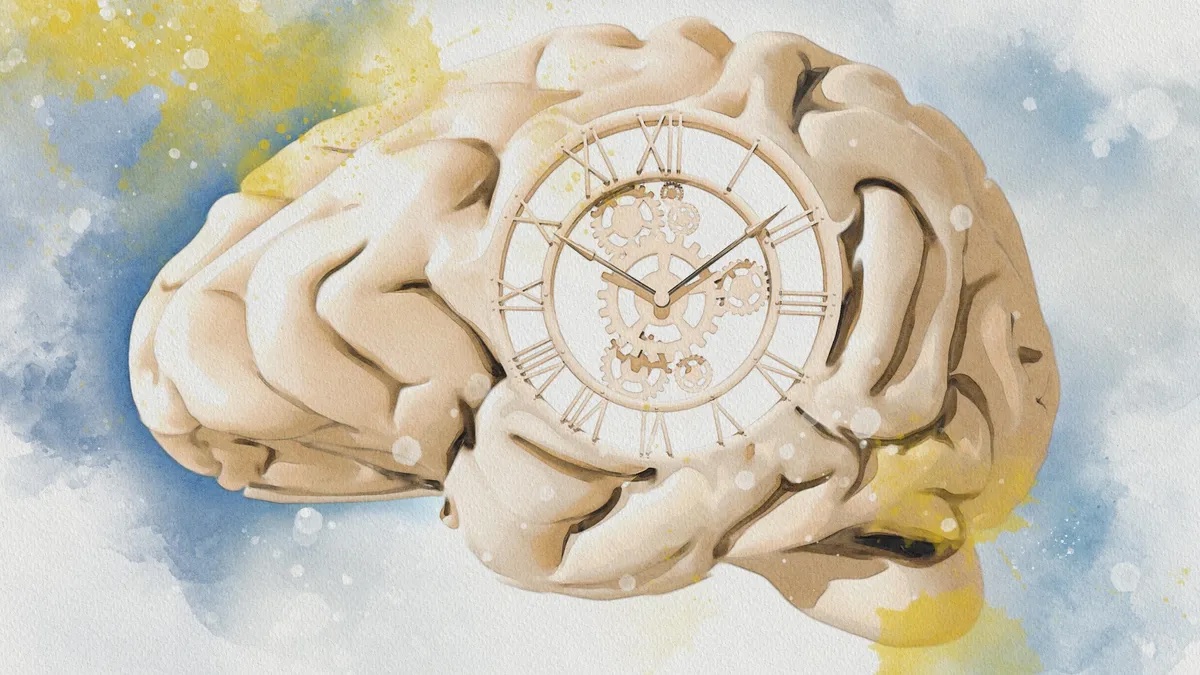
An Expert Reveals How to Keep Your Brain Sharp as You Age Science Alert - October 18, 2025
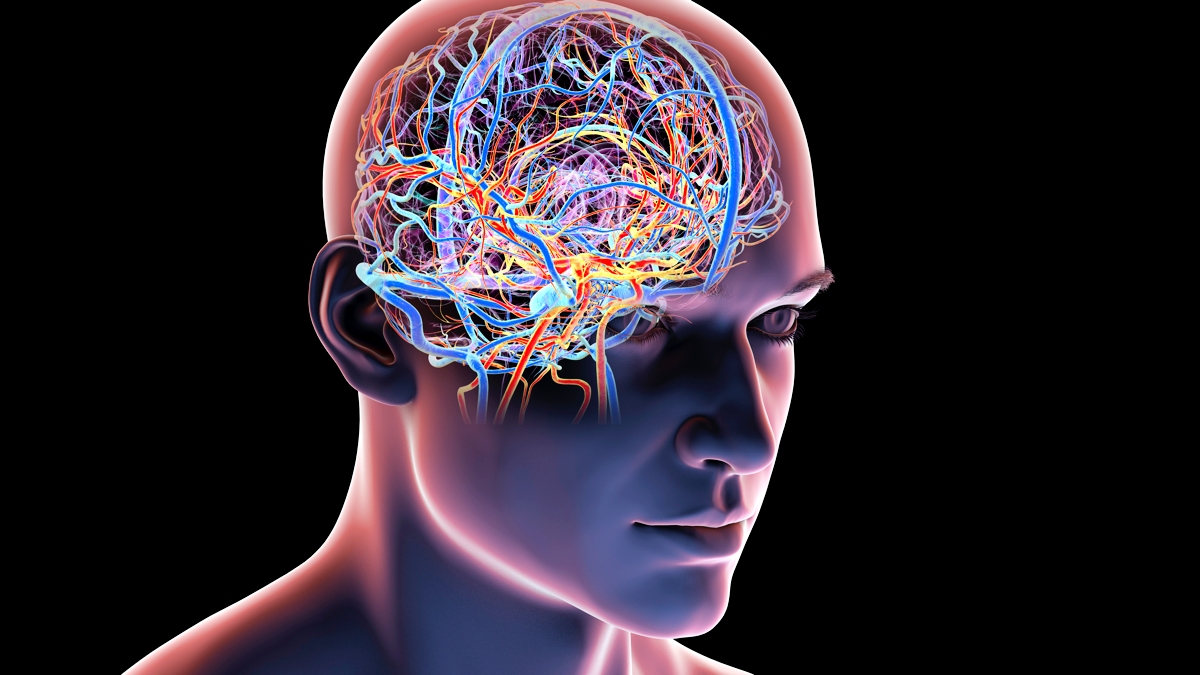
Education has long been considered the main indicator of cognitive reserve. It reflects prolonged exposure to intellectually stimulating activities that promote the development of effective brain networks.
Researchers Discover the Cell's Secret Anti-Aging Mechanism SciTech Daily - October 18, 2025

Hutchinson-Gilford progeria syndrome (HGPS) is a rare genetic condition that causes rapid aging and a range of visible and internal symptoms. Individuals with HGPS often experience early skin wrinkling, reduced skin elasticity, loss of body fat beneath the skin, hair loss, hardening of the arteries (atherosclerosis), and insulin resistance.
Study Reveals The Surprising Age at Which Your Brain Reaches Its Peak - Between Ages 55 - 60 Science Alert - October 18, 2025

for many of us, overall psychological functioning actually peaks between ages 55 and 60.
Strong friendships may literally slow aging at the cellular level. Science Daily - October 5, 2025

Social bonds, it seems, are as vital to longevity as diet or exercise. The cumulative effect of social advantages across a lifetime - from parental warmth in childhood to friendship, community engagement and religious support in adulthood - may slow the biological processes of aging. These social advantages appear to set back "epigenetic clocks" such that a person's biological age, as measured by analyzing DNA methylation patterns, is younger than their chronological age.
Scientists test an anti-aging pterostilbene cream that actually works Science Daily - September 15, 2025

A 28-day trial showed that pterostilbene cream improved wrinkles, skin firmness, collagen, and pore size far better than a control emulsion. The results highlight pterostilbene as a promising natural ingredient for next-generation anti-aging skincare.
Scientists Discover Hidden Driver of Aging That May Be Reversed called Menin SciTech Daily - September 15, 2025

A decline in the protein Menin in the brain’s hypothalamus appears to drive aging by triggering inflammation and loss of key neurotransmitters.
Heat Waves Can Accelerate Aging as Much as Smoking or Drinking Science Alert - August 29, 2025

As our planet steadily gets warmer, our bodies will need to cope with the stresses of higher temperatures. A new study shows that continued exposure to heat waves can age the body as much as regular drinking or smoking.
80-year-old SuperAger brain operates like that of a 50-year-old. Here's why CNN - August 7, 2025
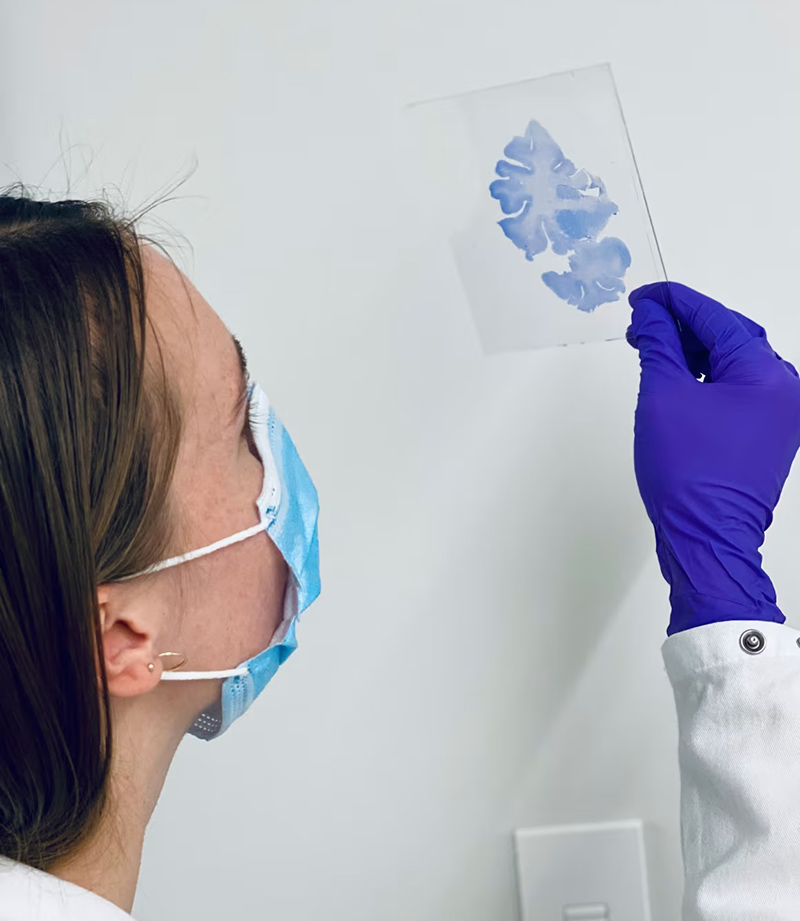
The human brain shrinks as it ages, affecting the ability to remember - it's part of life. Yet there are a lucky few, called SuperAgers, who possess a brain that fights back. For these people, memories stay as sharp as they were 30 or more years in the past. To be a SuperAger in a program at Northwestern, a person must be over 80 and undergo extensive cognitive testing. Acceptance in the study only occurs if the person's episodic memory - the ability to recall everyday events and past personal history - is as good or better than cognitively normal people in their 50s and 60s.
The first 25 years of SuperAger research show cognitive decline is not an inevitable part of aging Medical Express - August 7, 2025

For 25 years, scientists at Northwestern Medicine have been studying individuals aged 80 and older - dubbed "SuperAgers" - to better understand what makes them tick. These unique individuals, who show outstanding memory performance at a level consistent with individuals who are at least three decades younger, challenge the long-held belief that cognitive decline is an inevitable part of aging. Over the quarter-century of research, the scientists have seen some notable lifestyle and personality differences between SuperAgers and those aging typically - such as being social and gregarious - but "it's really what we've found in their brains that's been so earth-shattering for us," said Dr. Sandra Weintraub, a professor of psychiatry and behavioral sciences and neurology at Northwestern University Feinberg School of Medicine.
Exceptional memory performance: SuperAgers score at least 9 out of 15 on a delayed word recall test - on par with individuals in their 50s and 60s. Youthful brain structure: Unlike typically aging brains, SuperAgers show no significant thinning of their cortex - the outer layer of the brain - and even have a thicker anterior cingulate cortex than younger adults. This crucial region of the brain plays a significant role in integrating information related to decision-making, emotion and motivation. Unique cellular traits: SuperAgers have more von economo neurons, which are specialized cells linked to social behavior, and larger entorhinal neurons, which are critical for memory, than their typically aging peers. Sociability as a common trait: Despite having diverse lifestyles and varying approaches to exercise, SuperAgers tend to be highly social and report strong interpersonal relationships.
Is Age Biological Or Psychological? Here's The Science IFL Science - November 4, 2023
We're often told that age is just a number. After all, when '40 is the new 30', but then life begins at 50, it’s easy to think that none of it means anything at all. But there have to be some biological indicators of aging, don’t there - some signs in our bodies that track the passage of time? Or is it really all in the mind?
Unlocking the Secrets of Aging: Researchers Discover Previously Unknown Mechanism That Drives Aging - Gene Length SciTech Daily - January 23, 2023
All cells must balance the activity of long and short genes. The researchers found that longer genes are linked to longer lifespans, and shorter genes are linked to shorter lifespans. They also found that aging genes change their activity according to length. More specifically, aging is accompanied by a shift in activity toward short genes. This causes the gene activity in cells to become unbalanced.
People live longer. When is someone old? Medical Express - July 8, 2020
The conventional old age threshold is the most commonly used, but it has the disadvantage that it does not change over time and is the same for all countries regardless of their trajectories of aging. This is of course not the case, as today's 65 year-olds are very different from their counterparts half a century ago, and are also likely to be very different from what they will be like half a century in the future. People also age differently depending on where they live and across population subgroups.
Researchers develop technology to make aged cells younger Medical Express - July 31, 2017
Aging. We all face it. Nobody's immune and we've long tried to reverse it, stop it or just even slow it down. While advances have been made, true age-reversal at a cellular level remains difficult to achieve. By taking a different approach, however, researchers at Houston Methodist made a surprising discovery leading to the development of technology with the ability to rejuvenate human cells. And that couldn't be more important for the small population of children who are aging too quickly - children with progeria.
Brain cells found to control aging Science Daily - July 27, 2017
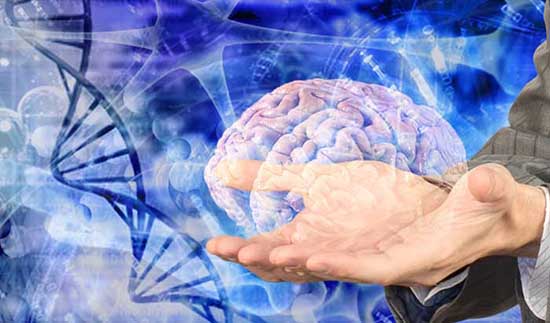
Scientists at Albert Einstein College of Medicine have found that stem cells in the brain's hypothalamus govern how fast aging occurs in the body. The hypothalamus was known to regulate important processes including growth, development, reproduction and metabolism. In a 2013 Nature paper, Einstein researchers made the surprising finding that the hypothalamus also regulates aging throughout the body. Now, the scientists have pinpointed the cells in the hypothalamus that control aging: a tiny population of adult neural stem cells, which were known to be responsible for forming new brain neurons.