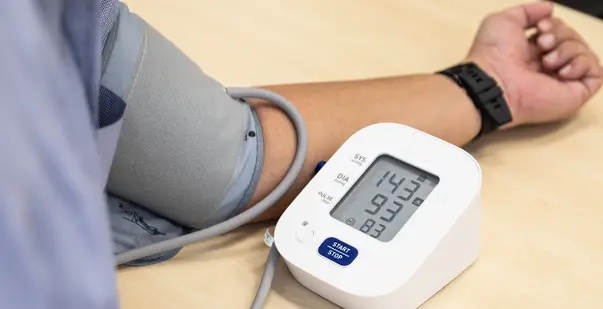
Hypertension, also known as high blood pressure, is a long-term medical condition in which the blood pressure in the arteries is persistently elevated. High blood pressure usually does not cause symptoms itself. It is, however, a major risk factor for stroke, coronary artery disease, heart failure, atrial fibrillation, peripheral arterial disease, vision loss, chronic kidney disease, and dementia. Hypertension is a major cause of premature death worldwide.
High blood pressure is classified as primary (essential) hypertension or secondary hypertension. About 90-95% of cases are primary, defined as high blood pressure due to non-specific lifestyle and genetic factors. Lifestyle factors that increase the risk include excess salt in the diet, excess body weight, smoking, physical inactivity and alcohol use. The remaining 5-10% of cases are categorized as secondary hypertension, defined as high blood pressure due to a clearly identifiable cause, such as chronic kidney disease, narrowing of the kidney arteries, an endocrine disorder, or the use of birth control pills. Read more ...
Scientists Discover Cheap, Natural Remedy for High Blood Pressure SciTech Daily - May 20, 2026

New research suggests that daily peppermint oil supplements may help reduce mildly elevated blood pressure.
Your Blood Pressure reading could be wrong because a simple positioning mistake during a blood pressure check could quietly alter the results SciTech Daily - May 13, 2026

That quick blood pressure check at the doctor's office may not be as accurate as you think. According to research from Johns Hopkins Medicine, something as simple as where you rest your arm during the test can significantly raise the reading and potentially lead to a hypertension diagnosis that is not actually correct.
An 800-year-old Chinese exercise routine lowered blood pressure almost as effectively as medication in a major clinical trial. Science Daily - May 11, 2026

An ancient Chinese exercise practice that combines slow movements, controlled breathing, and meditation may help lower blood pressure as effectively as brisk walking, according to a large randomized clinical trial published in JACC, the flagship journal of the American College of Cardiology. Participants experienced improvements within three months, and those benefits continued for a full year. High blood pressure remains one of the biggest preventable contributors to heart disease. Doctors often recommend regular physical activity to help manage it, but many people struggle to maintain long-term exercise habits, especially when workouts require gym memberships, special equipment, dedicated spaces, or ongoing coaching.