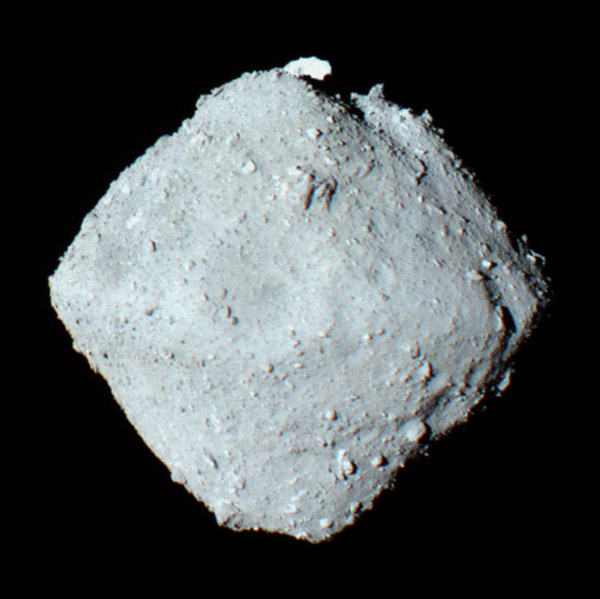
162173 Ryugu (provisional designation 1999 JU3) is a near-Earth object and also a potentially hazardous asteroid of the Apollo group. It measures approximately 900 metres (3,000 ft) in diameter and is a dark object of the rare spectral type Cb, with qualities of both a C-type asteroid and a B-type asteroid. In June 2018, the Japanese spacecraft Hayabusa2 arrived at the asteroid.
After making measurements and taking samples, Hayabusa2 left Ryugu for Earth in November 2019 and returned the sample capsule to Earth on December 5, 2020. The samples showed the presence of organic compounds, such as uracil (one of the four components in RNA) and vitamin B3. Read more ...
Scientists Just Found All 5 Genetic Letters of DNA and RNA in Asteroid Ryugu SciTech Daily - June 24, 2026
The discovery of all five nucleobases on Ryugu strengthens the idea that life’s molecular ingredients formed in space before reaching Earth.A new study reports that samples from the asteroid Ryugu contain all five fundamental nucleobases, the molecular 'letters of life'. Tiny asteroid grains can preserve chemical clues about the ingredients that may have helped life emerge on Earth
Asteroid Ryugu's Billion-Year-Old Secret Is a Genuine Surprise to Scientists SciTech Daily - October 2, 2025

A group of scientists has found evidence that liquid water once moved through the body of the asteroid that eventually gave rise to the near-Earth asteroid Ryugu. Remarkably, this activity occurred more than a billion years after the asteroid originally formed. The results challenge the long-standing belief that water-related processes on asteroids happened only during the earliest stages of solar system history. This new understanding could influence models of how Earth itself was formed.
Surprise: Near-Earth asteroid Ryugu once had 'flowing water' that transformed its insides Live Science - September 16, 2025
Scientists in Japan now believe that liquid water once flowed through the heart of the near-Earth asteroid Ryugu, after researchers detected something unusual in the samples of the space rock that were returned to our planet five years ago. The surprising findings also have potential implications for how Earth acquired its own water, the researchers say.
Ryugu asteroid research reveals mineral history predating any on Earth PhysOrg - August 25, 2025

In 2020, the Hayabusa2 uncrewed spacecraft successfully returned small fragments from the near-Earth asteroid Ryugu, providing the first pristine samples from a carbonaceous asteroid. Grains from those samples were studied at the National Synchrotron Light Source II (NSLS-II), revealing new details into the asteroid's composition and origin. This insight could ultimately help answer big questions about how water and organic matter came to exist on early Earth, forming the building blocks of life.
'Building blocks of life' recovered from asteroid Ryugu are older than the solar system itself Live Science - February 28, 2023
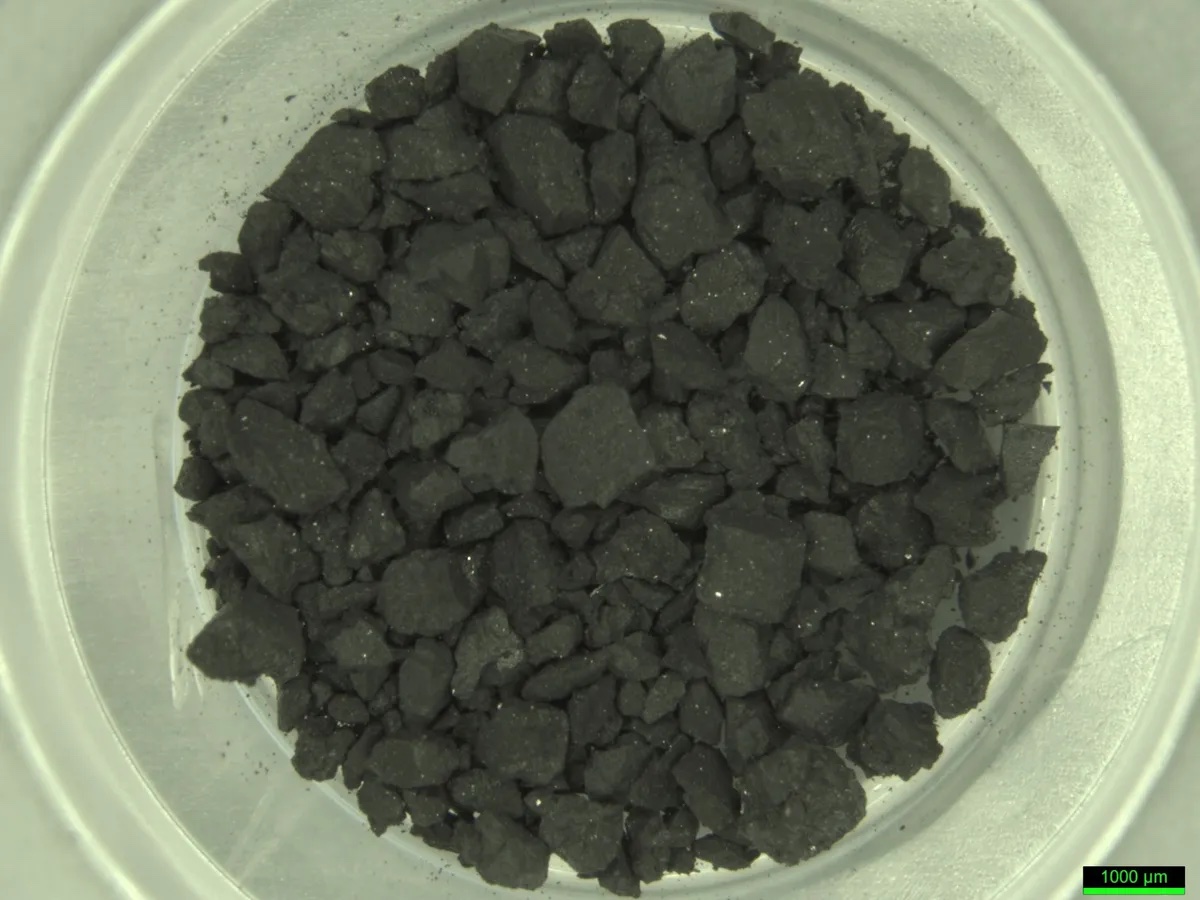
An analysis of a tiny portion of this sample revealed that the carbon-rich asteroid also contains molecules that are crucial to all known life, including 15 amino acids, the building blocks of proteins. These molecules themselves are not alive, but because they are found in all life, scientists call them "prebiotic."
Asteroid Ryugu contains material older than the planets, among the most primitive ever studied on Earth Space.com - June 10, 2022
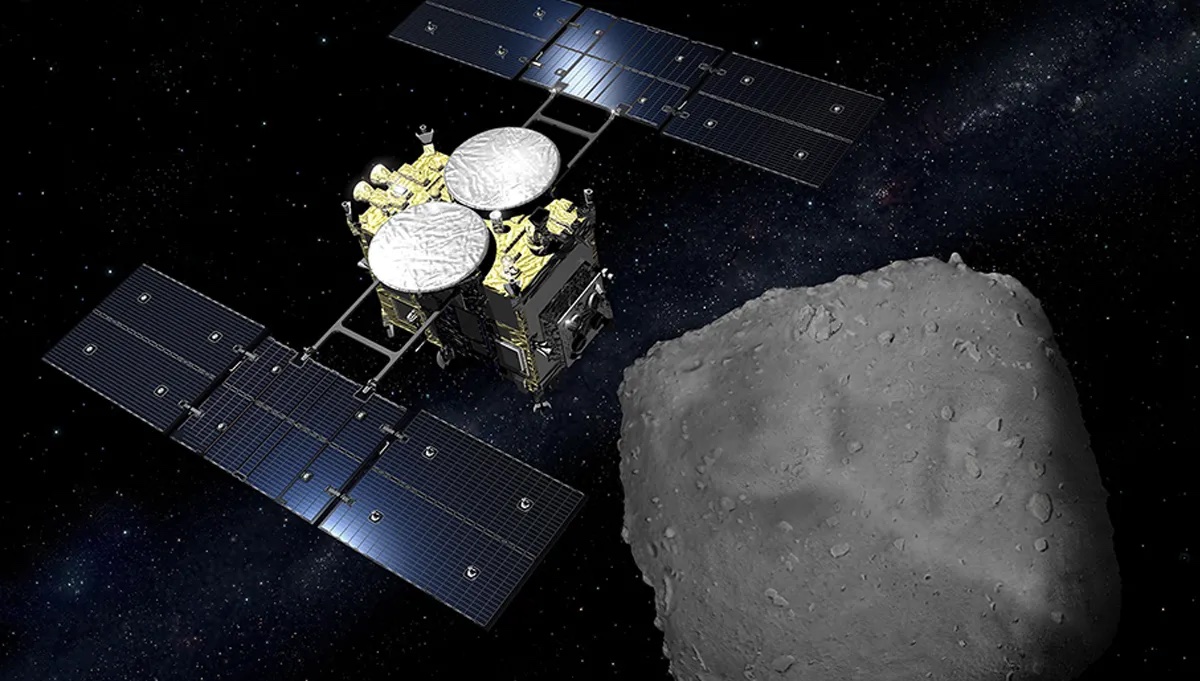
The asteroid Ryugu contains some of the most primitive material ever studied in a laboratory on Earth, dating back to just 5 million years after the formation of the solar system, according to an analysis of samples retrieved by Japan's Hayabusa2 mission. Because it is so old, it is made of the same stuff that formed the planets. Ryugu is one of the building blocks of Earth.
What happened before, during and after solar system formation? Asteroid Ryugu study holds the answers Space.com - June 10 , 2022
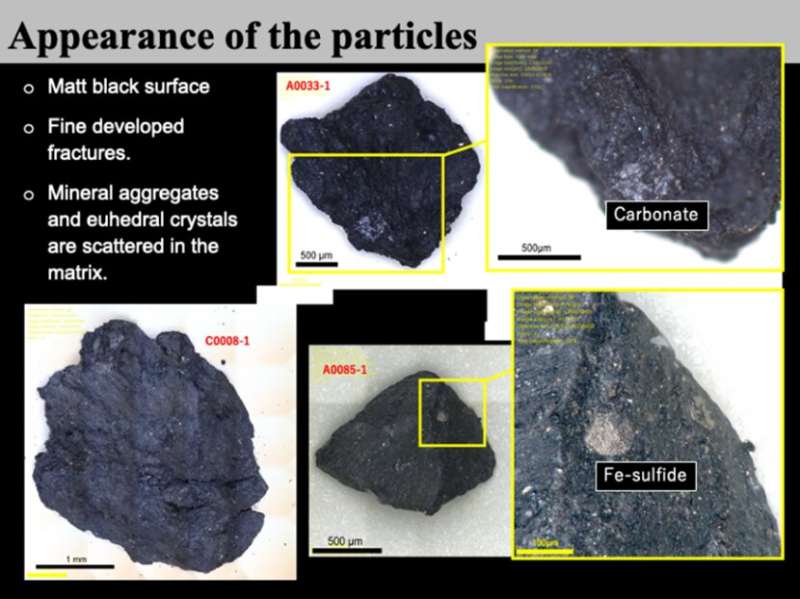
The Japan Aerospace Exploration Agency's (JAXA) Hayabusa2 mission returned uncontaminated primitive asteroid samples to Earth. A comprehensive analysis of 16 particles from the asteroid Ryugu revealed many insights into the processes that operated before, during and after the formation of the solar system, with some still shaping the surface of the present-day asteroid.
'Rubber-ducky' asteroid 200 million miles away holds building blocks of life Live Science - June 9, 2022
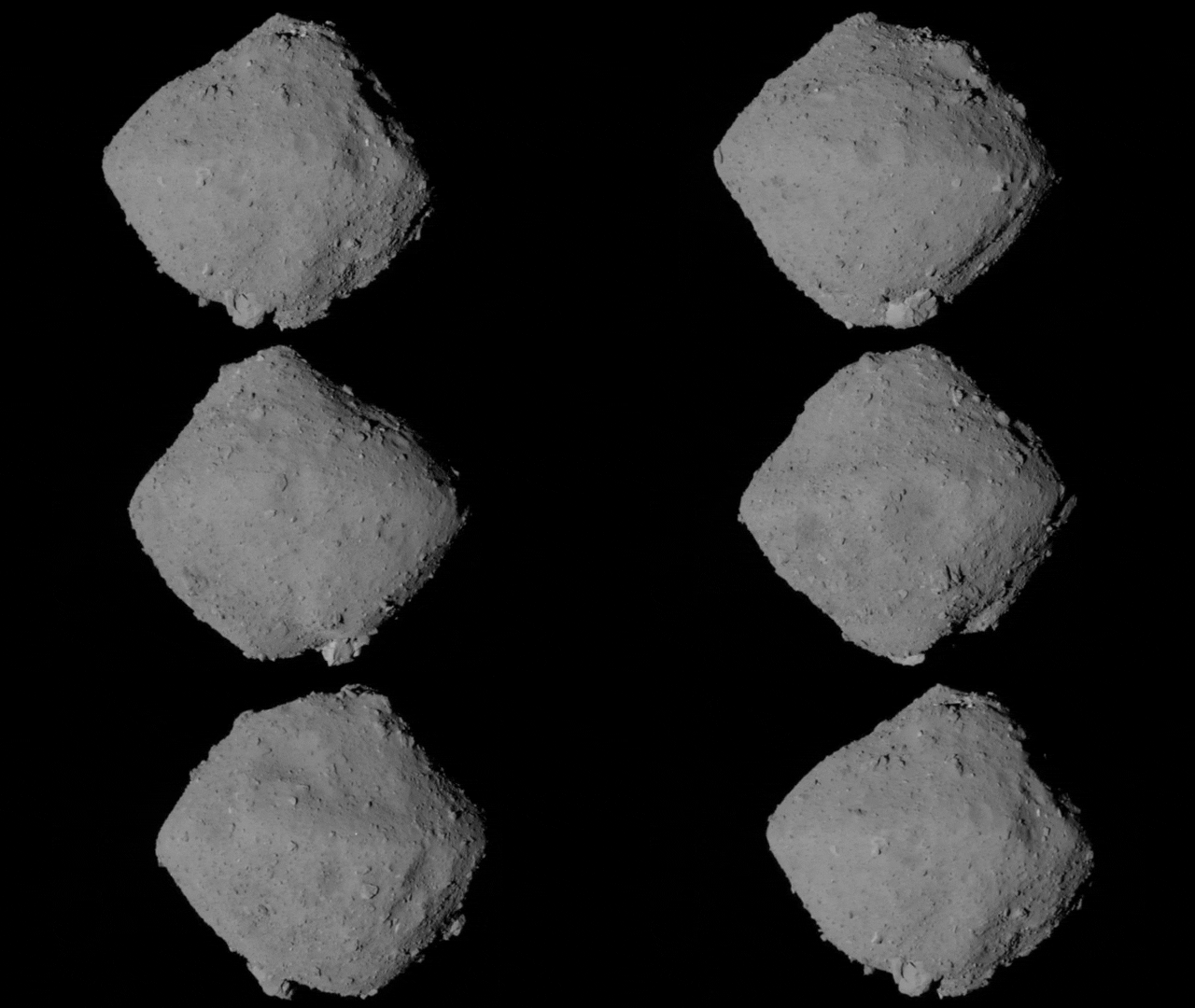
For the first time, scientists have found the building blocks for life on an asteroid in space. Japanese researchers have discovered more than 20 amino acids on the space rock Ryugu, which is more than 200 million miles from Earth. Scientists made the first-of-its-kind detection by studying samples retrieved from the near-Earth asteroid by the Japan Aerospace Exploration Agency's (JAXA) Hayabusa2 spacecraft, which landed on Ryugu in 2018. In 2019, the spacecraft collected 0.2 ounce (5.4 grams) from the asteroid's surface and subsurface, stowed it in an airtight container and launched it back to Earth on a fine-tuned trajectory.
We Finally Have The First-Ever Analysis of Stardust Retrieved From The Ryugu Asteroid Science Alert - December 22, 2021
It's been over a year since the Hayabusa2 probe delivered its precious cargo of dust from an alien space rock, and we're finally getting a more detailed glimpse of what makes up asteroid Ryugu. It is very dark, very porous, and some of the most primitive Solar System material we've ever had access to here on Earth.
Touchdown! Incredible Photos Show 2nd Asteroid Landing by Japan's Hayabusa2 Space.com - July 11, 2019
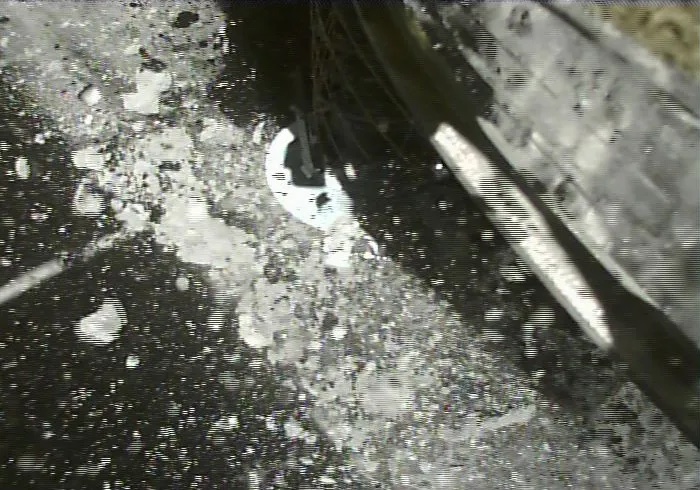
The Japanese spacecraft Hayabusa2 made a carefully choreographed second touchdown on an asteroid called Ryugu last night (July 10) - and the photos are incredible. The images beamed back to Earth show the perspective of two different cameras on board the spacecraft: the main navigation camera and a publicly funded camera pointed past the sampling mechanism. Photos from the first camera show views of Ryugu's surface at touchdown; the second shows the nearby rock before and after the sampling itself.
Touchdown! Japanese spacecraft Hayabusa 2 lowers itself to asteroid Ryugu and fires a pellet at the surface in historic attempt to take a 'bite' of its dust and return the samples to Earth Daily Mail - February 21, 2019
Hayabusa-2: Japan spacecraft touches down on asteroid BBC - February 22, 2019
A Japanese spacecraft has touched down on an asteroid in an attempt to collect a sample of rock from the surface. The Hayabusa-2 probe was trying to grab the sample from a pre-chosen site on the asteroid Ryugu just before 23:00 GMT on 21 February. The spacecraft reached asteroid Ryugu in June 2018 after a three-and-a-half-year journey from Earth. It is expected to return to Earth with the rocky material it has cached in 2020. During sample collection, the spacecraft approached the 1km-wide asteroid with an instrument called the sampler horn. On touchdown, a 5g "bullet" made of the metal tantalum was fired into the rocky surface at 300m/s. The particles kicked up by the impact should have been be caught by the sampler horn.